

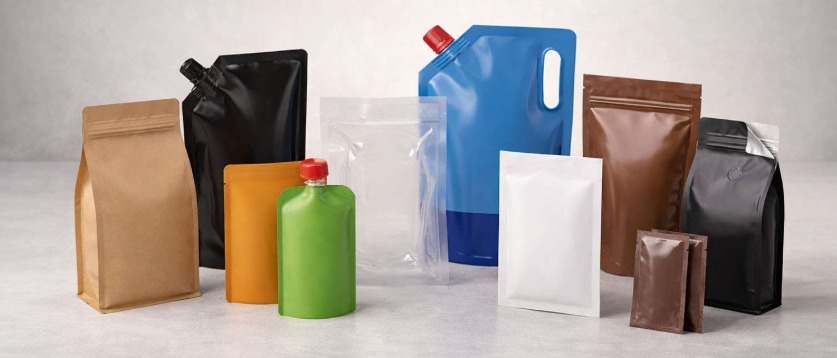
For years, most people barely thought about packaging beyond one thing. Did the product arrive safely or not? That was enough.
Brands focused on making packets attractive, durable, lightweight, and easy to stack on shelves. Consumers focused on the product itself. Nobody really stopped during a random Tuesday evening to think about where all that packaging would end up afterward.
Now people think about it constantly, even if they don’t want to.
Plastic waste keeps entering homes during completely normal daily routines. You order groceries after work, and suddenly the kitchen counter is full of plastic wrapping again. Online shopping deliveries arrive packed inside layers that get thrown away within minutes. Tiny snack packets, takeaway containers, shampoo pouches, courier bags. It builds up quietly till somebody has to empty another overflowing dustbin.
Honestly, it frustrates people. And brands are starting to feel that frustration reflected back at them.
Most consumers won’t sit and read a company’s sustainability report with coffee in hand. That’s just reality. But they absolutely notice unnecessary packaging while opening deliveries late at night after a tiring day. That moment feels real in a way advertising usually doesn’t.
That’s a big reason conversations around flexible packaging are becoming louder now.
Why Flexible Packaging Is Growing So Fast
The rise of flexible packaging isn’t happening only because sustainability has become popular online recently.
There’s a practical side too.
Flexible formats usually need less raw material compared to rigid containers. They weigh less during transportation, which helps reduce shipping pressure and storage space issues. For FMCG brands moving products across cities and warehouses constantly, those differences matter financially over time.
Consumers like convenience, too. Probably more than ever now.
People already live with crowded shelves, small kitchens, rushed schedules, and too many things to organize every day. Lightweight pouches, resealable packs, compact storage, and easy-to-carry products all fit modern routines better.
But here’s where things become complicated.
Not every flexible format is recyclable. And consumers are noticing that disconnect more now than companies expected earlier.
For a long time, brands focused heavily on convenience and shelf visibility while recyclability stayed somewhere in the background. That approach worked because consumers weren’t paying close attention to waste systems yet.
That’s changed. People still want convenience, obviously. But they also don’t want packaging that immediately feels wasteful the second it lands inside the garbage bin.
Packaging Waste Is Slowly Becoming a Trust Issue
A few years ago, broad sustainability messaging worked pretty well.
Brands could use phrases like “green packaging” or “eco-conscious,” and most consumers accepted it without asking too many questions.
Now people want proof.
Because honestly, consumers are tired of hearing polished environmental messaging while still dealing with piles of wrappers, courier packaging, plastic delivery bags, and multilayer packets sitting inside their homes every single week.
So buyers have started asking more direct questions:
- Can this packaging actually be recycled?
- Is the company reducing unnecessary plastic?
- Are recyclable materials being used properly?
- Is there any real recovery system behind these claims?
Those questions matter because packaging waste feels personal now. Consumers physically handle it every day inside kitchens, cupboards, office desks, and apartment bins.
That’s why recyclable flexible packaging is becoming more important for brands trying to maintain credibility.
Brands that ignore this change may slowly start feeling out of touch with what people actually care about now. Younger consumers especially notice when sustainability messaging sounds too polished or repetitive without much real action behind it. Honestly, people can spot forced “green marketing” pretty quickly these days because they’ve already seen too many brands make big environmental promises while everyday packaging waste inside their homes keeps growing anyway.
Small Packaging Decisions Shape Brand Perception Quietly
This part gets overlooked constantly.
Packaging is one of the few things consumers physically interact with almost every single day. Someone may never visit a company’s sustainability webpage, but they’ll absolutely notice excessive wrapping while unpacking groceries or opening a delivery after work.
That interaction shapes perception quietly.
If packaging feels excessive, careless, or frustrating to throw away, consumers often associate that feeling with the brand itself, whereas recyclable flexible packaging can communicate responsibility without companies needing to repeat sustainability slogans everywhere.
Small experiences stay in people’s minds longer than businesses expect sometimes.
Consumers remember when packaging feels easier to recycle. Easier to store. Less annoying to dispose of afterward. Those little moments slowly influence long-term trust, even when consumers don’t consciously realize it immediately.
And trust feels much harder to build these days, honestly.
Packaging Conversations Are Becoming More Circular
Packaging conversations don’t stop at convenience anymore.
People aren’t only asking whether packaging looks good or feels easy to carry now. They’re asking what happens after it’s thrown away, too.
Companies are slowly being pushed to think beyond simply selling products and moving inventory quickly. Now there’s more pressure to think about recovery systems, recycling possibilities, reuse, and what kind of waste gets created once the customer is done using the product. That shift is affecting how brands choose materials, design packaging, and even work with recycling partners behind the scenes.
Recyclable flexible packaging fits naturally into this shift because it encourages companies to think about recovery much earlier, instead of treating waste like somebody else’s responsibility later.
Obviously, no single company can solve packaging waste alone.
Still, brands making smarter packaging decisions do influence where the industry moves over time. Consumers notice that. Regulators notice it too.
Final Thoughts
Packaging decisions carry more weight now because people experience packaging waste directly in their daily lives.
Consumers notice it while unpacking groceries. While cleaning kitchens. While separating waste at home after work. Those experiences shape how people view brands far more than many companies expected earlier.
Recyclable flexible packaging isn’t just about looking sustainable anymore. It’s slowly becoming part of how modern brands show responsibility in practical ways that customers can actually see for themselves.
Banyan Nation is helping improve plastic recycling and circularity efforts in India by working with businesses and recovery ecosystems. Work like this usually moves slowly at first. Recycling systems don’t improve overnight.