

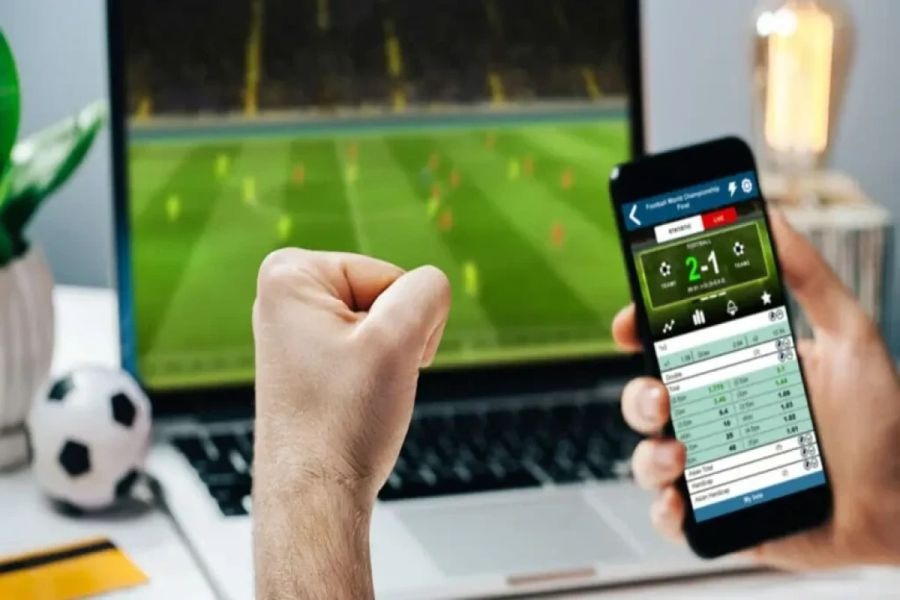
Live sports used to be a scheduled commitment. A TV corner claimed for the evening, a radio on in the kitchen, maybe a cousin calling with updates if the signal was bad. Then the phone took over, quietly at first, and now it runs the whole show.
Open any modern live hub, for example tamasha live app, and it’s obvious what changed. It’s not only that scores are “available”. It’s that the entire experience has been rebuilt around the mobile brain: quick checks, constant nudges, and a need for certainty in the middle of chaos.
Before apps: the scrappy era of SMS and WAP
It’s easy to forget how low-tech “live” used to be. In the early mobile era, updates arrived as:
- SMS alerts that showed up late, sometimes in the wrong order
- basic WAP pages with stripped-down scorelines
- TV tickers and teletext style summaries
- radio commentary for anyone stuck outside a screen
This era had one big advantage: it was simple. No endless menus, no autoplay video, no battery drain from a dozen background refreshes. The downside was brutal though. If a wicket fell, the update might come two minutes later, which in sports time is basically a different universe.
Smartphones changed the expectation, not just the interface
The first big shift wasn’t “apps exist now.” It was this: fans stopped accepting delay.
Once smartphones became common, live sports apps began to compete on three things that still matter today:
1) Speed
Fans started checking their phone instead of waiting for the next TV graphic. If the app was slow, it got replaced. There’s no loyalty when a chase is on.
2) Clarity
A good live screen answers the core question in half a second: who’s winning right now, and why? Early apps were messy. Some still are.
3) Convenience
One tap into the match. One swipe to the scorecard. Notifications that can be controlled. No sign-up walls just to see the basics.
This is also when “second screen” behavior took off. The TV stayed on, but the phone became the control panel.
The push notification arms race
Push notifications deserve their own chapter because they reshaped how sports is followed. They turned live sport into ambient information, always there, always ready to interrupt.
At first, notifications were simple: “GOAL” or “WICKET.” Then they became smarter and, in many cases, noisier.
The apps that grew fastest learned a slightly boring truth: users want control. Nobody wants 40 buzzes in one afternoon, even if the match is dramatic.
What started working better:
- wicket or goal alerts only, with optional add-ons
- “close match” modes for final overs or final minutes
- milestone notifications (50s, 100s, hat-tricks, records)
- injury and lineup updates that actually matter
The worst notifications are the vague ones. “Something exciting happened!” isn’t useful. It’s just a tap-bait headline in push form.
Live scores became a product, not a feature
Modern live sports apps do not treat the score as a single line. They treat it like a living interface.
In cricket, that means the score is tied to context: overs, partnership, required rate, last 5 overs, bowling spells. In football, it’s possession swings, shots, cards, substitutions. Basketball has runs, foul trouble, timeouts.
Fans now expect:
- ball-by-ball or play-by-play feeds
- timelines that can be scrubbed backwards
- instant “what changed?” summaries
- highlighted turning points, not just raw events
And yes, the best apps also handle the messy parts properly. Rain delays, DLS, VAR reviews, officiating decisions. That’s where trust is built or destroyed.
Streaming arrived, then got chopped into pieces
When live video entered sports apps, it looked like the future. And it was. But a full stream isn’t always what fans want on mobile.
Mobile viewing is interrupted by nature. People jump in and out. Data limits exist. Wi‑Fi drops. So apps began to win by offering modular video:
Clips that match real behavior
Short highlights tied to key moments, a wicket clip linked directly in the commentary feed, a replay on demand without hunting.
Low-data options
Not everyone is watching on unlimited 5G. Apps that offer data-light modes keep users longer, especially in crowded tournament windows.
Streaming didn’t replace live text. It made live text more valuable as the navigation layer.
UX grew up because competition got ruthless
In the early days, any live sports app could survive with “good enough.” That’s gone. Now, one bad experience gets punished immediately because alternatives are a search away.
A successful live sports app UX tends to nail a few things:
The home screen knows what the user is here for
During match hours, the current live game should be obvious. Not buried under news tiles and promos.
Navigation follows the sport’s logic
Cricket fans think in innings, overs, phases. Football fans think in halves, stoppage time, match events. When an app’s structure matches that mental model, it feels effortless.
Performance is part of design
It’s not glamorous, but it’s real. Heavy pages, laggy refresh, overheating phones, battery drain. These issues decide which app becomes the default.
Social features: from add-on to expectation
Sports is social. Mobile made it immediate.
Live apps began integrating the stuff fans were already doing elsewhere:
- sharing match states into group chats
- voting in quick polls
- reacting to moments with simple emojis or comments
- following creators or analysts for alternate takes
Not every app needs a chatroom. Many apps try and fail because moderation is hard and toxicity is easy. Still, the social layer is influencing product decisions. Even without built-in social feeds, apps design for shareability now because sharing is growth.
Monetization got more creative, and sometimes more aggressive
The mobile era pushed sports apps into constant experimentation: ads, subscriptions, premium stats, paywalled video, sponsored widgets, affiliate tie-ins.
The healthiest models tend to feel fair. Users can tolerate ads if the app stays usable. They can accept premium tiers if the free version remains functional.
Where apps go wrong is obvious:
- blocking core live updates behind sign-ups
- flooding match centers with popups during key moments
- pushing promotions so hard the match feels secondary
Sports fans are emotional, but not stupid. If the product starts acting desperate, it loses credibility.
The tech leap: low latency became the obsession
The last few years have been about latency and infrastructure as much as design. Fans compare sources constantly, sometimes without meaning to. If one app is consistently behind, it gets labeled “slow” and that reputation sticks.
Modern live apps rely on:
- faster data feeds and smarter caching
- content delivery networks tuned for spikes (tournament traffic is brutal)
- efficient auto-refresh systems that do not reload everything
- fallbacks when feeds go down, because they do go down
This is also why “updated X seconds ago” labels matter. They are tiny, but they reduce anxiety.
Key milestones in the evolution of live sports apps
A clean way to view the mobile-era progression:
- Text-only live scores (WAP, basic mobile web)
- SMS alerts and early push notifications
- Native apps with match centers and commentary
- Rich stats layers and interactive scorecards
- Integrated streaming and instant highlights
- Personalization (follow teams, players, tournaments)
- Social sharing and community features
- Low-latency focus, performance tuning for peak traffic
None of these killed the previous layer. They stacked on top of it.
What users should look for today (a practical checklist)
Not every app needs every feature, but the basics still separate the keepers from the deletes:
- Fast live updates with stable refresh behavior
- Clear match state above the fold (score, time/overs, key players)
- Customizable notifications, not all-or-nothing toggles
- Commentary that adds context, not robotic filler
- Lightweight performance on mobile data
- Easy access to scorecards, lineups, and key stats
- Transparent handling of delays, reviews, and rule changes
If an app can’t do these well, the fancy features won’t save it.
What comes next: personalization, wearables, and “less effort” sports
The future of live sports apps is not about adding ten new tabs. It’s about reducing friction and surfacing the right thing at the right time.
Expect more:
Smarter personalization
Not creepy personalization, just useful. Favorite team pinned, preferred tournaments prioritized, alert settings remembered, language choices respected.
Glanceable formats
Wearables, lock-screen widgets, live activities, quick audio updates. The direction is clear: fewer taps, more immediacy.
More interactive layers
Micro-predictions, fantasy tracking, alternate commentary feeds, advanced stats made simpler. The app becomes a companion, not a scoreboard.
Stronger trust signals
Verification, consistent timing, clear data sources, sane notification design. As apps get more complex, trust becomes the real differentiator.
Live sports apps in the mobile era evolved the same way fans evolved. Less patience, more choice, more need to stay connected even when life interrupts. The winners won’t be the loudest apps. They’ll be the ones that feel reliable when the match gets messy, which is exactly when everyone reaches for the phone.