

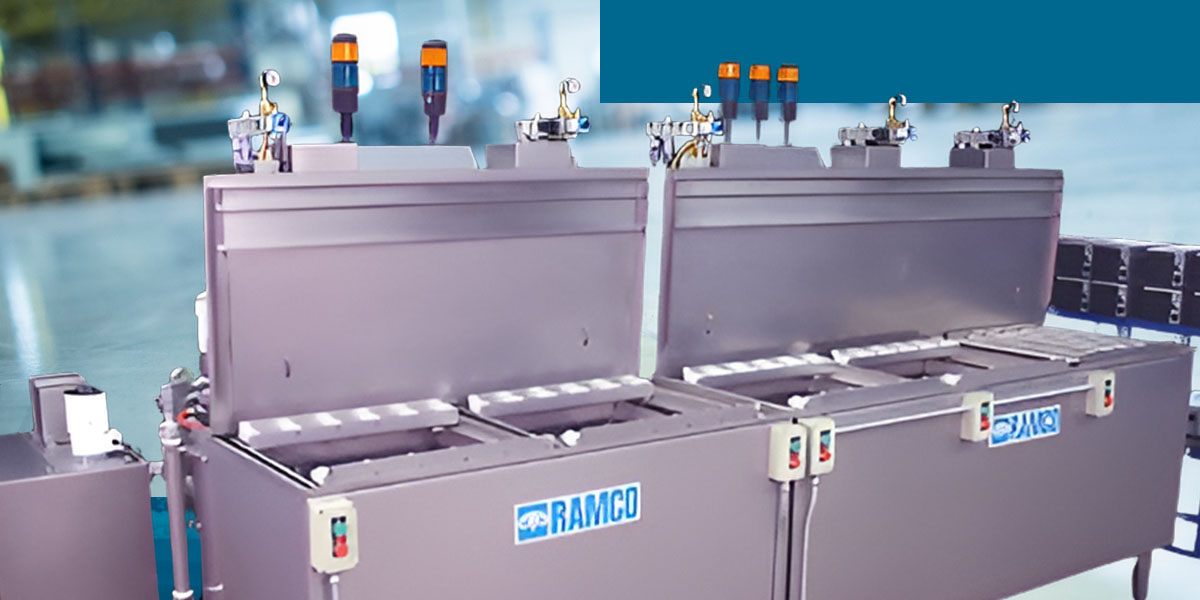
In demanding sectors such as manufacturing, automotive repair, aerospace, and heavy equipment, parts cleanliness is not merely a matter of aesthetics; it is fundamental to productivity, safety, and profitability. Parts washers are indispensable tools for meeting this requirement. They are essential for cleaning, degreasing, and preparing components before use or further processing, thus ensuring business continuity.
This article aims to examine the vital importance of parts washers, detail their multiple uses, and highlight how a strategic investment in this equipment can significantly improve the performance of companies in the industrial sector.
Why are washers essential?
Equipment Lifespan
Contaminants (grease, dirt, metal shavings) are the primary cause of premature wear on industrial parts. Effective maintenance therefore relies on the essential integration of parts washers. This equipment ensures the thorough removal of impurities before components are reassembled or put back into service. Benefits for performance and durability:
Increased lifespan and failure prevention: Thorough cleaning of parts is essential to prevent malfunctions. Removing abrasive contaminants significantly extends the service life of vital components.
In automotive maintenance, the use of a parts washer is fundamental before any reassembly. This process guarantees the complete removal of all harmful particles, thus protecting the engine from internal damage and significantly reducing the risk of future failures.
Operational efficiency
Industrial efficiency relies critically on thorough parts cleaning. The presence of contaminants (grease, dust, etc.) negatively impacts the proper functioning of equipment, potentially causing slowdowns or production stoppages. To ensure optimal line flow and guarantee maximum assembly precision, the integration of parts washers is essential. Such equipment helps maintain high system performance, as evidenced by clean gears that prevent any risk of jamming.
Improved Safety and Cleanliness
Manual parts cleaning, which is tedious and requires the use of solvents, unnecessarily exposes employees to harmful chemicals. Parts washers are an essential solution for creating a safer and cleaner working environment by significantly reducing direct contact with these hazardous products.
In sectors like aerospace, where component cleanliness is a vital requirement, professionals frequently handle parts requiring extensive degreasing. The use of a closed-loop, aqueous parts washer is particularly suitable. This method ensures compliance with the most stringent cleanliness standards while minimizing exposure to chemicals.
Environmental Compliance
In many industries, parts washers are indispensable. They ensure compliance with strict environmental standards regarding contaminant disposal and the use of cleaning agents. Modern equipment is designed for optimal environmental performance. This equipment features advanced filtration systems, reducing pollutant emissions and promoting the use of environmentally friendly detergents. This contributes to a significant decrease in water and solvent consumption. For example, the adoption of a water-based washer with filtration by a company specializing in the refurbishment of industrial valves allowed them to minimize the production of hazardous waste, demonstrating effective compliance with local environmental standards.
Long-term savings
The initial purchase of a parts washer represents an investment that generates substantial long-term savings. This equipment significantly reduces reliance on labor, decreases machine downtime, and limits premature component replacement due to contamination.
For example, a maintenance center observed a 70% reduction in its cleaning time following the integration of an automated parts washer. This gain in efficiency has generated savings on labor costs and has made it possible to accelerate vehicle repair times.
