

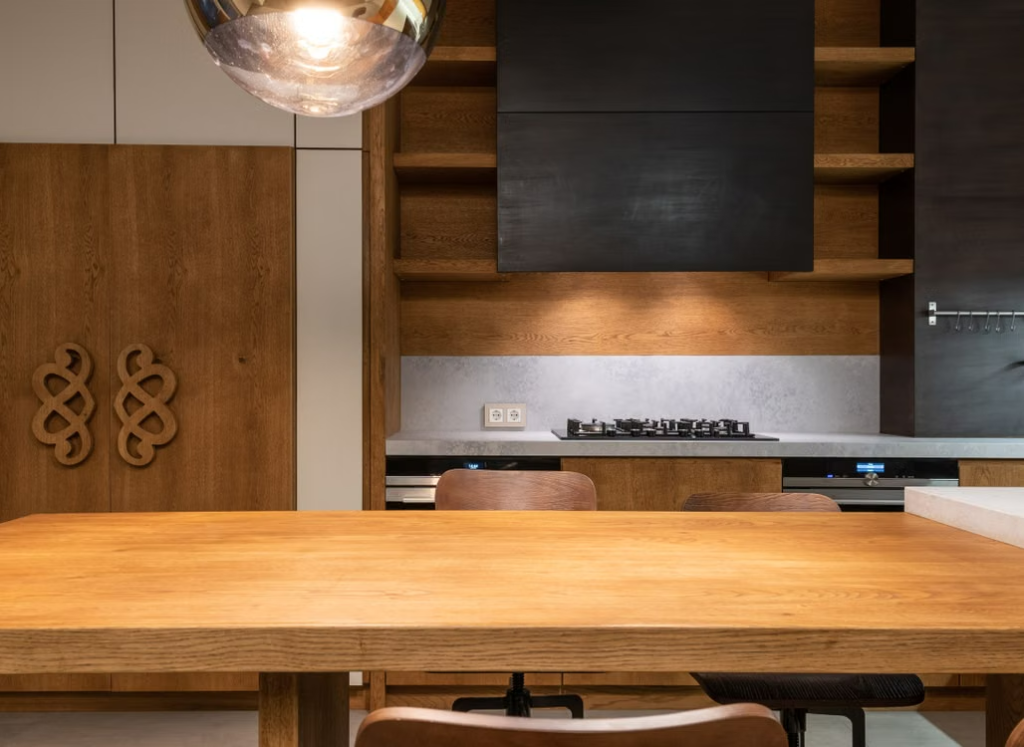
Materials define the look and performance of a cabinetry piece, so selecting them appropriately is critical. When faced with such an important choice, it’s never easy for designers, who have to balance aesthetics, functionality, and performance. Otherwise, there would be problems with warped doors, deteriorating finishes, and outdated kitchens that look old-fashioned within years.
But how do designers decide on using a certain material for the project they’re working on? Despite the differences in briefs, designers are guided by the same set of principles. Knowing what they are will allow you to understand your options better.
Longevity and Durability of Materials
First of all, a material has to withstand everyday wear and tear for years to come. Australian climates can be tough and demanding, especially in coastal areas that are wet year-round. Moreover, even interior projects require materials that will stand being hit and scratched and withstand exposure to moisture without warping or swelling.
That’s why the quality of a carcass is almost equally important to the look of the doors. Designers pay close attention to how a substrate will perform when it is exposed to various factors. Many professionals opt for substrates that can stand humidity and moisture, which are often associated with cooking in Australia.
Visual Appeal of Materials
Apart from functional aspects, designers consider aesthetics and versatility when selecting materials. They evaluate whether a material matches the colour of a cabinetry piece or the interior style of a house. Sheen and texture can change the overall appearance significantly, which allows creating various effects.
For instance, gloss finishes look modern and stylish because they reflect light. However, matte and textured surfaces add warmth and create a rustic appeal. Melamine sheets suppliers can offer the widest variety of finishes and textures, and this makes the material versatile enough to meet specific client demands.
Functional Performance of Cabinetry Materials
It’s not enough to design cabinets; a material must meet functional requirements and withstand daily activities. For instance, in the kitchen and bathroom, it must be easily cleaned and resistant to stains and scratches. That’s why designers recommend materials that don’t get damaged or worn during regular use.
When a client requires minimal maintenance, designers select materials accordingly. Otherwise, they opt for substrates that must be regularly polished. Matching the maintenance requirements to client needs and habits is one of the key skills that a professional designer has to possess.
Environmentally-Friendly Cabinetry Substrates
With environmental concerns becoming an important aspect of our lives, many homeowners want to know how materials are processed and whether they can be reused. Therefore, designers should look for cabinetry substrates that comply with standards and certifications that are related to emissions and sustainable practices.
Moreover, it’s recommended that clients purchase environmentally-friendly furniture and cabinetry. This approach helps reduce carbon footprint and supports manufacturers of locally-made cabinetry products.
Budget and Value of Substrates for Cabinetry
As for budgeting, designers recommend focusing on how much a material costs initially versus its performance and appearance over decades to come. It means that instead of opting for cheaper materials, they recommend spending more money on premium finishes that are worth investment.
At the same time, designers try to stretch client budgets by selecting materials that are cheap but still offer great value.
Conclusion
Selecting materials for cabinet making combines creative and practical aspects. Designers are guided by the principle of balancing functionality, sustainability, aesthetics, longevity, and cost when selecting appropriate materials. There is usually no ideal solution – only appropriate ones.
That’s why it’s important to clarify your needs and expectations. Then it will be easier for a designer to provide suitable solutions.
