

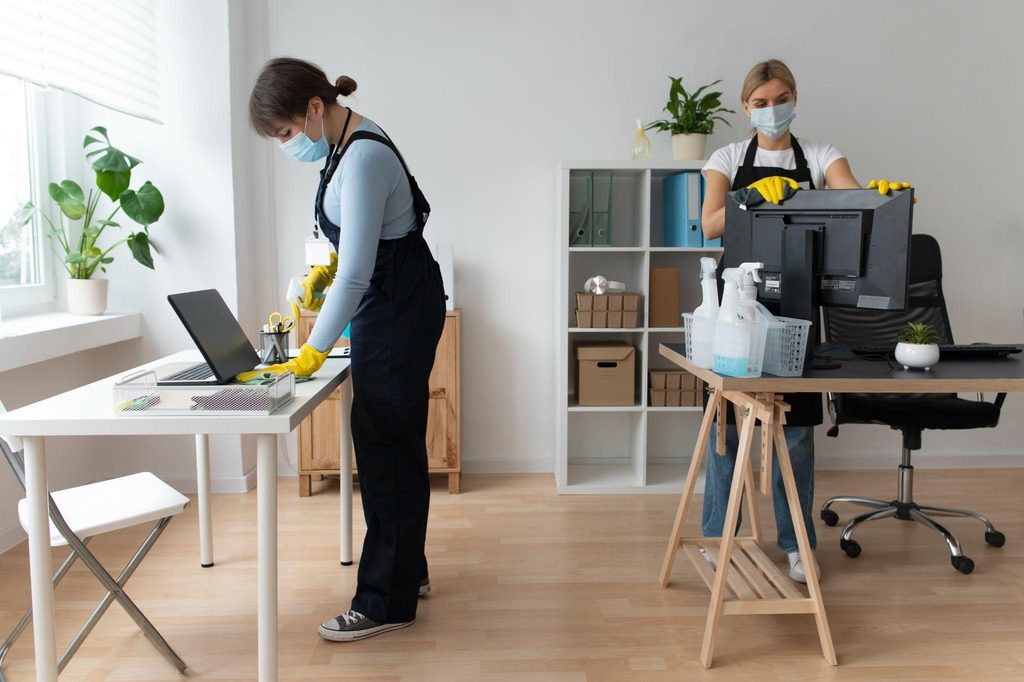
Hiring a cleaning contractor is only the beginning of maintaining a professional workplace. The real challenge is determining whether the service consistently meets operational, hygiene, and quality expectations. Even a contractor described as the best office cleaning company should be evaluated through measurable results rather than promises or attractive service packages.
Performance indicators help facility managers identify service gaps, monitor accountability, and determine whether the cleaning arrangement delivers value over time. Instead of relying entirely on occasional inspections or employee feedback, organisations can use a structured set of Key Performance Indicators (KPIs) to assess contractor performance objectively.
1. Cleaning Quality and Inspection Scores
Cleaning quality is one of the most direct indicators of contractor performance. However, judging a workplace by its overall appearance may overlook neglected areas. A structured inspection scorecard helps facility managers assess workstations, reception areas, meeting rooms, kitchens, washrooms, glass partitions, and flooring against predefined standards. Reviewing recurring defects also helps identify problems such as inadequate supervision, insufficient cleaning frequency, or incorrect task allocation.
2. Task Completion Rate
A cleaning schedule delivers value only when assigned activities are completed within the agreed timeframe. Task completion rate measures the percentage of scheduled duties successfully performed. Contract managers can compare daily checklists with service records to identify missed responsibilities, including waste removal, floor maintenance, surface disinfection, and washroom restocking. However, completion records should also be supported by quality checks to ensure that finished tasks meet the expected cleaning standards.
3. Staff Attendance and Replacement Coverage
Cleaning operations depend on consistent workforce availability. Unexpected absences, late arrivals, and inadequate replacement arrangements can interrupt scheduled activities. Attendance rate measures whether assigned personnel report according to agreed shifts, while replacement coverage evaluates how quickly absent employees are substituted. Organisations should review attendance records, punctuality, shift allocation, and backup staffing arrangements. These indicators are particularly important for offices operating extended hours or requiring uninterrupted daily cleaning.
4. Response Time for Complaints and Service Requests
A contractor’s reliability also depends on how quickly service issues are addressed. Missed cleaning tasks, unexpected spills, or washroom maintenance concerns may require immediate attention. Response time measures the interval between receiving a complaint, acknowledging it, and resolving the issue. These stages should be recorded separately to establish accountability. Organisations should also define response targets according to urgency, ensuring that hygiene and safety concerns receive appropriate priority.
5. Hygiene and Sanitation Compliance
Visible cleanliness does not always indicate effective sanitation. High-touch surfaces, shared equipment, washroom fixtures, and pantry areas require appropriate cleaning procedures. This KPI evaluates whether contractors follow established protocols, use suitable products, observe dilution instructions, and apply disinfectants according to manufacturer guidance. Managers can review cleaning logs, chemical safety documentation, equipment records, and staff training information to verify compliance and identify gaps in workplace hygiene practices.
6. Staff Training and Competency Levels
Cleaning personnel require practical knowledge of equipment handling, chemical application, waste segregation, and workplace safety. Training compliance measures whether employees have completed the necessary instruction for their assigned responsibilities.
When evaluating the best office cleaning company, organisations should also consider staff competency and refresher training. These assessments help identify gaps in cleaning techniques and product handling, supporting consistent service quality and safer workplace practices.
7. Equipment and Cleaning Material Efficiency
The condition and suitability of cleaning equipment directly influence productivity and service quality. Poorly maintained vacuum cleaners, damaged tools, or unsuitable chemicals can increase cleaning time and affect results. This KPI examines equipment availability, preventive maintenance, material consumption, and supply shortages. Managers should also monitor whether products are used correctly. Excessive chemical consumption may indicate incorrect dilution, inadequate training, or inefficient procedures, making regular resource reviews essential.
8. Contract Compliance and Service-Level Agreement Performance
A Service-Level Agreement (SLA) defines the responsibilities, deliverables, and performance expectations between an organisation and its cleaning contractor. Contract compliance measures whether the provider meets agreed requirements for cleaning frequency, staffing, inspections, and reporting. This is particularly important when evaluating corporate cleaning services in dubai, where building-access procedures and operating schedules may influence service delivery. Regular SLA reviews help identify gaps and accommodate changing workplace requirements.
9. Complaint Frequency and Repeat Issues
Complaint frequency provides useful information about cleaning performance, but recurring issues deserve greater attention. For example, repeated complaints about the same washroom may indicate inadequate supervision or an ineffective cleaning schedule.
Organisations should record complaints according to location, category, severity, and resolution status. Monitoring repeat complaints helps determine whether corrective actions are working. A declining recurrence rate generally indicates that underlying service problems are being addressed effectively.
10. Overall Cost Efficiency and Value Delivery
The lowest contract price does not necessarily represent the best financial decision. An inexpensive arrangement may involve insufficient staffing, inconsistent supplies, or frequent corrective visits. Cost efficiency evaluates expenditure against service quality and completed work. Organisations can compare contract costs with inspection results, staffing levels, material consumption, and additional charges. Metrics such as cost per cleaned square metre or service visit help assess value when service scope remains consistent.
Conclusion
Evaluating a cleaning contractor requires more than checking whether an office looks presentable after each visit. Inspection scores, task completion, attendance, hygiene compliance, response times, and cost efficiency provide a clearer picture of operational performance. Organisations assessing corporate cleaning services in Dubai should review these indicators consistently to identify weaknesses early, improve accountability, and make informed contract decisions. The most effective evaluation framework connects measurable standards with corrective action, ensuring that cleaning quality remains consistent as workplace requirements evolve.
HAJ Prime Home Cleaning Services, part of the HAJ Group of Companies, provides professional cleaning solutions for residential and commercial spaces. Its services reflect the importance of structured cleaning practices, trained personnel, and consistent service delivery. These factors support businesses in maintaining hygienic workplaces and evaluating cleaning standards against their operational requirements.
