

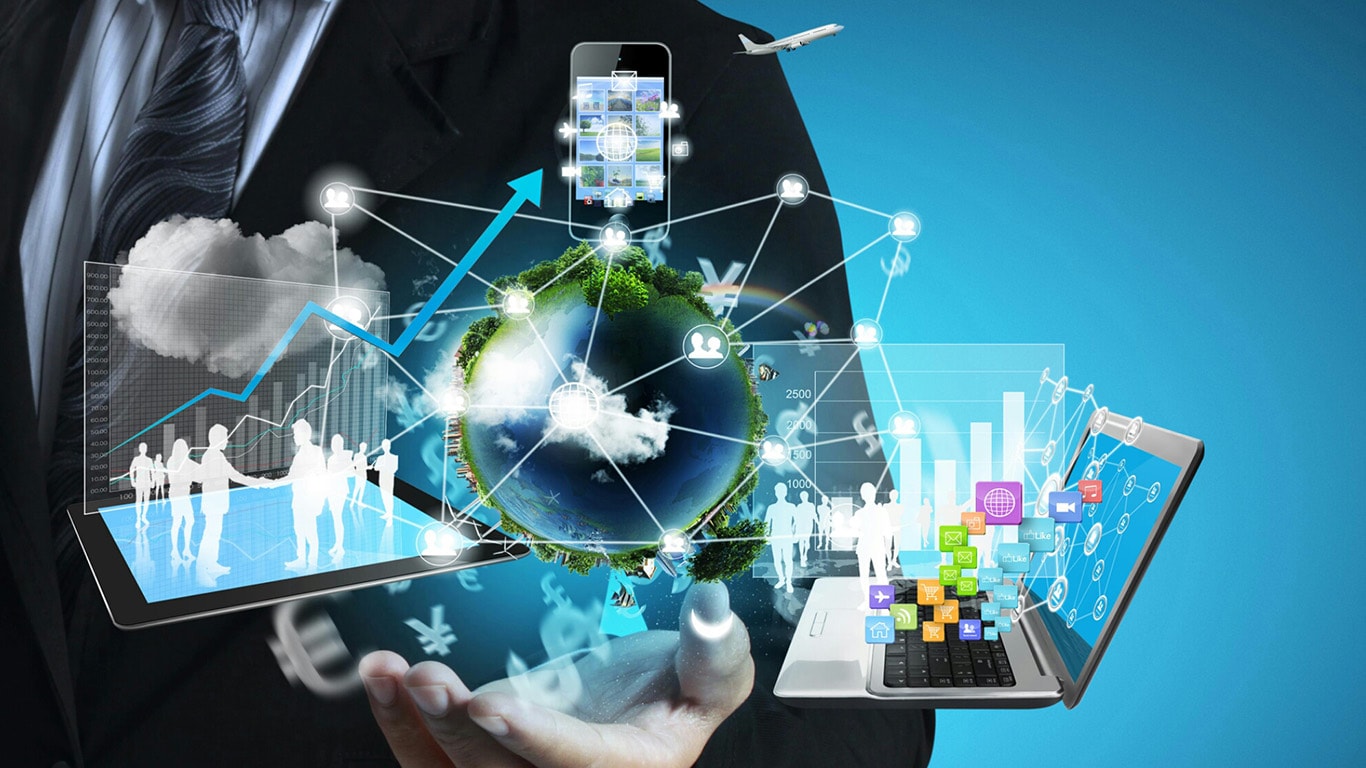
Technology has become one of the most influential forces in the modern world. It affects almost every aspect of human life, from communication and education to healthcare and business. Over the past few decades, technological advancements have changed the way people live, work, and interact with one another. Today, it is difficult to imagine a world without smartphones, computers, the internet, and artificial intelligence. Technology continues to evolve rapidly, creating new opportunities while also presenting new challenges.
The Evolution of Technology
The history of technology dates back to ancient times when humans first created simple tools to make life easier. Over the centuries, technological innovations have transformed societies. The Industrial Revolution introduced machines that increased production and efficiency. Later, the invention of electricity, telephones, and automobiles revolutionized daily life.
The digital revolution of the late twentieth century marked another major turning point. Computers became smaller, faster, and more affordable, while the internet connected people across the globe. Today, advanced technologies such as artificial intelligence, robotics, cloud computing, and the Internet of Things are shaping the future.
Technology and Communication
One of the greatest impacts of technology can be seen in communication. In the past, people relied on letters and landline telephones to communicate over long distances. Today, communication is instant and convenient. Smartphones, social media platforms, email services, and video conferencing applications allow people to connect with others anywhere in the world.
Technology has also improved business communication. Companies can conduct virtual meetings, collaborate with international teams, and share information in real time. This has made organizations more efficient and productive.
The Role of Technology in Education
Technology has transformed the education sector by making learning more accessible and interactive. Students can access online courses, educational videos, e-books, and virtual classrooms from anywhere. This flexibility allows learners to study at their own pace and according to their individual needs.
Teachers also benefit from technology through digital teaching tools and online assessment systems. Interactive learning platforms help students understand complex topics more effectively. As a result, education has become more engaging and inclusive for people around the world.
Technology in Healthcare
Healthcare is another field that has experienced significant improvements due to technology. Modern medical equipment enables doctors to diagnose diseases more accurately and provide better treatments. Technologies such as MRI scanners, robotic surgery systems, and telemedicine services have enhanced patient care.
Electronic health records allow medical professionals to access patient information quickly and securely. Artificial intelligence is also being used to analyze medical data, detect diseases, and support clinical decision-making. These innovations are helping to improve healthcare outcomes and save lives.
Technology and Business Growth
Technology plays a crucial role in the success of modern businesses. Organizations use software applications, automation tools, and data analytics to improve efficiency and reduce operational GG88 COM. Digital marketing allows companies to reach customers worldwide through social media, websites, and online advertising.
E-commerce platforms have transformed the way people shop. Consumers can purchase products and services online with just a few clicks. Businesses can expand their reach beyond geographical boundaries, creating new opportunities for growth and innovation.
Artificial Intelligence and the Future
Artificial Intelligence (AI) is considered one of the most revolutionary technologies of our time. AI enables machines to perform tasks that typically require human intelligence, such as learning, reasoning, and decision-making. AI-powered systems are already being used in healthcare, finance, transportation, and customer service.
In the future, AI is expected to become even more advanced. Self-driving vehicles, intelligent robots, and smart cities may become a common part of everyday life. While AI offers numerous GG88, it also raises concerns about privacy, ethics, and employment. Therefore, responsible development and regulation are essential.
Challenges of Technology
Despite its many advantages, technology also presents several challenges. Cybersecurity threats have become a major concern as cybercriminals target individuals, businesses, and governments. Data privacy issues have raised questions about how personal information is collected and used.
Another challenge is the increasing dependence on technology. Excessive use of digital devices can lead to reduced physical activity, social isolation, and mental health concerns. Additionally, automation may replace certain jobs, requiring workers to develop new skills to remain competitive in the job market.
Conclusion
Technology has transformed the world in remarkable ways. It has improved communication, enhanced education, advanced healthcare, and driven economic growth. At the same time, society must address the challenges associated with technological progress, including cybersecurity risks and ethical concerns. As innovation continues to accelerate, technology will remain a powerful tool for solving global problems and improving the quality of life for future generations. By using technology responsibly, humanity can build a smarter, more connected, and more prosperous world.
