

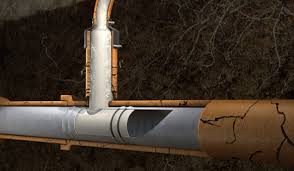
Sewer line problems can quickly become one of the most disruptive and expensive issues a property owner faces. Fortunately, advances in trenchless technology have made it possible to restore damaged sewer pipes without extensive digging. Two terms often used in modern sewer rehabilitation are sewer line liner and sewer liner installation. Understanding how these solutions work can help homeowners make informed decisions when facing sewer line damage.
What Is a Sewer Line Liner?
A sewer line liner is a trenchless pipe rehabilitation solution that creates a new pipe within an existing damaged sewer line. Instead of excavating and replacing the entire pipe, technicians insert a flexible liner saturated with a specialized resin into the existing pipe. Once cured, the liner hardens and forms a durable, seamless interior pipe.
This process is commonly known as Cured-In-Place Pipe (CIPP) lining and is widely used to repair aging or damaged sewer systems.
Benefits of a Sewer Line Liner
- Minimal excavation required
- Preserves landscaping and hardscaping
- Seals cracks and small leaks
- Prevents root intrusion
- Extends sewer pipe lifespan
- Faster than traditional pipe replacement
Because the original pipe remains in place, homeowners can often avoid the extensive disruption associated with conventional excavation methods.
What Is Sewer Liner Installation?
Sewer liner installation refers to the process of placing and curing the liner within an existing sewer pipe. The installation process is highly specialized and requires advanced equipment and professional expertise.
Typical Sewer Liner Installation Process
1. Video Camera Inspection
Technicians first perform a detailed sewer camera inspection to identify:
- Cracks
- Leaks
- Root intrusion
- Corrosion
- Pipe offsets
- Structural defects
This inspection determines whether lining is a suitable solution.
2. Pipe Cleaning
Before installation, the sewer line must be thoroughly cleaned using methods such as:
- Hydro jetting
- Mechanical root removal
- Debris extraction
A clean pipe surface helps ensure proper liner adhesion.
3. Liner Preparation
The liner is saturated with a specialized epoxy resin designed to harden after installation.
4. Liner Insertion
The prepared liner is inserted into the existing sewer pipe through an access point.
5. Inflation and Positioning
Air or water pressure is used to press the liner firmly against the inner walls of the host pipe.
6. Curing Process
The resin is cured using:
- Ambient curing
- Hot water curing
- Steam curing
- UV light curing
Once cured, the liner forms a seamless new pipe inside the existing line.
7. Final Inspection
A final camera inspection verifies that the installation was completed successfully and that proper flow has been restored.
When Is a Sewer Line Liner the Right Solution?
A sewer line liner is often recommended when:
- The pipe has cracks or minor structural damage
- Root intrusion has occurred
- Small leaks are present
- The pipe remains largely intact
- Homeowners want to avoid major excavation
In many cases, lining can restore functionality without disturbing driveways, landscaping, patios, or sidewalks.
What Problems Can Sewer Lining Fix?
Common Sewer Issues Addressed by Lining
| Problem | Can Lining Repair It? |
| Cracks | Yes |
| Minor leaks | Yes |
| Root intrusion | Yes |
| Corrosion | Yes |
| Joint separation | Often |
| Pipe collapse | Usually No |
| Severe deformation | Usually No |
For severely collapsed or heavily damaged pipes, full replacement may still be necessary.
How Long Does a Sewer Line Liner Last?
One of the biggest advantages of sewer liner technology is durability.
Professionally installed liners can often last:
- 50 years or more
- Resistant to corrosion
- Resistant to root intrusion
- Capable of handling normal sewer flow demands
This makes sewer liner installation a long-term investment for many property owners.
Advantages Over Traditional Sewer Replacement
Traditional sewer replacement often requires:
- Large trenches
- Landscape removal
- Driveway demolition
- Sidewalk repairs
- Longer project timelines
In contrast, sewer liner installation offers:
Less Property Disruption
Most projects require only existing access points.
Faster Completion
Many installations can be completed within one day.
Lower Restoration Costs
Reduced excavation means fewer repairs to landscaping and hardscaping.
Environmentally Friendly
Trenchless methods minimize soil disturbance and construction waste.
Choosing an Experienced Sewer Repair Contractor
Because sewer liner installation requires specialized equipment and training, choosing a qualified contractor is essential.
Look for professionals who:
- Perform detailed camera inspections
- Have trenchless repair experience
- Use high-quality liner materials
- Provide warranties
- Offer transparent project assessments
An experienced contractor can determine whether a sewer line liner is the most effective solution for your property’s specific needs.
Final Thoughts
A sewer line liner provides an innovative and minimally invasive way to restore damaged sewer pipes without extensive excavation. Through professional sewer liner installation, homeowners can repair cracks, leaks, and root intrusion while preserving their landscaping and reducing overall project costs. When the existing pipe remains structurally stable, trenchless lining can offer decades of reliable performance and a cost-effective alternative to traditional sewer replacement.
