

Introduction
A retail environment has only a short opportunity to capture someone’s attention. Before a potential customer enters a shop, they have already formed an impression based on its appearance, storefront, window displays and the information visible from outside. Once inside, signage continues to influence how they explore the space, discover products and make purchasing decisions.
This makes retail signage much more than decoration. It is an important part of the customer journey, helping businesses communicate their identity, highlight products and make shopping environments easier to navigate.
For retailers investing in retail signage Telford, the challenge is to create a visual environment that attracts attention while remaining practical and consistent with the business’s brand. From external sign trays and window graphics to internal promotional displays, every sign should have a clear purpose.
The Customer Journey Begins Before the Entrance
A customer does not necessarily decide to enter a shop because of its products alone. Visibility, presentation and the impression created by the storefront can all influence that decision.
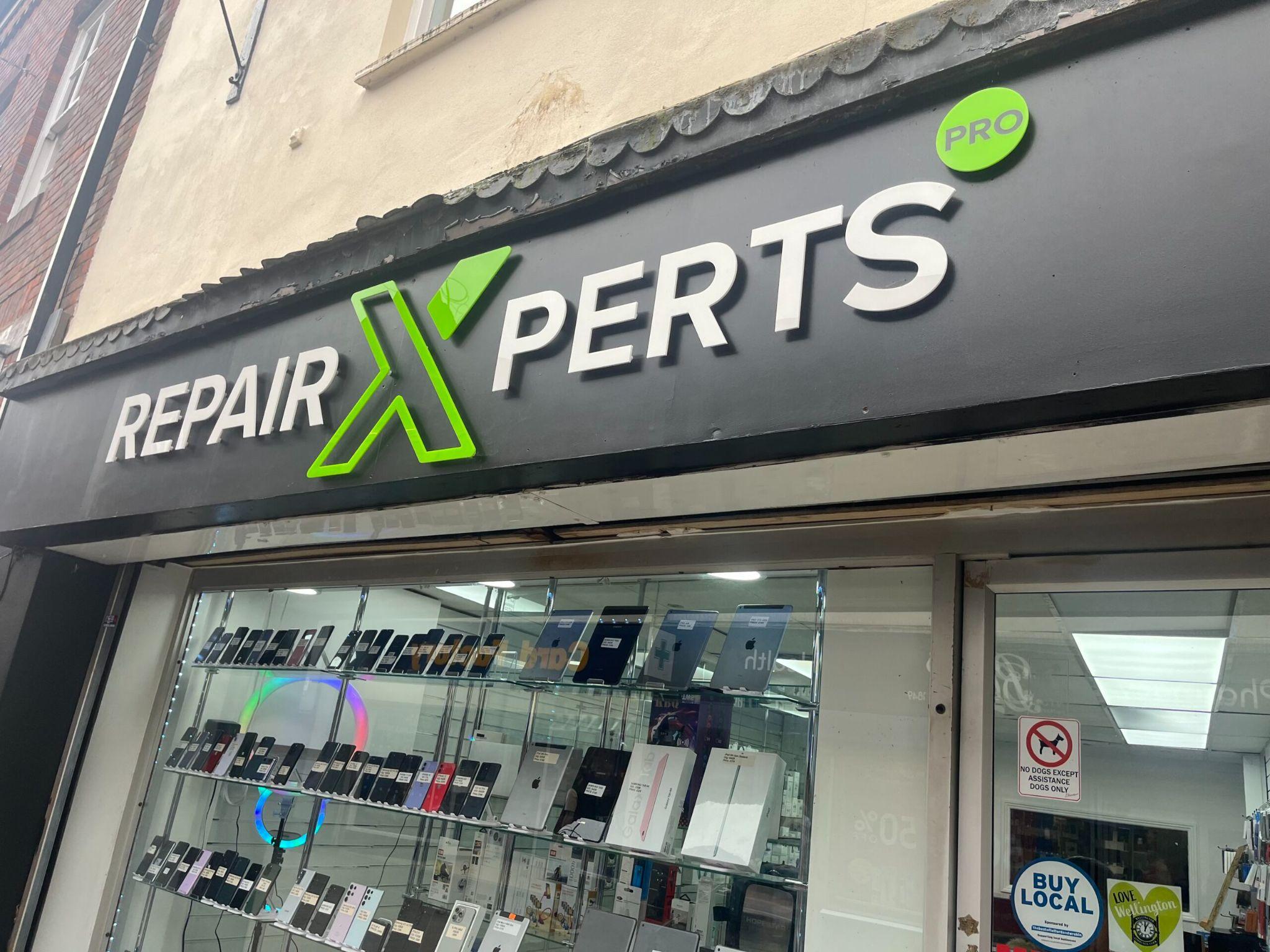
A well-designed external sign helps people recognise a business, understand what it offers and distinguish it from neighbouring premises. In busy shopping streets and retail centres, this is particularly important because customers may be walking past several businesses within a short period.
The storefront should communicate the brand clearly without overwhelming the available space. A readable business name, suitable colours and an appropriate sign format can create a strong first impression.
Window displays add another opportunity to attract attention. They can showcase products, communicate seasonal promotions or introduce a new collection. Rather than filling every available area with information, retailers should consider what message is most likely to interest their intended audience.
The objective is to give people a reason to stop, look and consider entering.
Creating a Consistent Visual Experience
Retail branding should not disappear once customers walk through the door. The colours, typography and visual style used outside should continue throughout the shopping environment.
Consistency helps customers recognise the business and makes the premises feel professionally organised. When external signs, window graphics, promotional displays and internal information follow a shared design direction, they create a more coherent experience.
This does not mean every sign must look identical. Different signs have different jobs, and their layouts should reflect those purposes. A promotional display may need a bold headline, while a product information panel should prioritise readability.
The important factor is maintaining a recognisable relationship between all the elements.
Retailers can establish consistency by using:
- A defined colour palette that reflects the brand.
- Matching typography across different sign formats.
- Consistent logo placement and proportions.
- Similar graphic styles for promotional campaigns.
- Clear rules for headings, product information and supporting messages.
These details help create a retail environment that feels connected rather than like a collection of unrelated displays.
Choosing the Right Sign Format for Each Area
Different areas of a retail premises require different signage solutions. Selecting the correct format helps businesses make better use of their available space.
External flat signs
Flat signs provide a straightforward way to display a business name, logo or main message. They can create a clean, professional appearance and are suitable for many types of retail properties.
Their design should consider the building’s frontage, viewing distance and surrounding visual environment.
Flat-cut lettering
Flat-cut letters add depth without necessarily requiring a fully three-dimensional sign construction. They can help a storefront achieve a more distinctive appearance while maintaining a relatively simple design.
Letter size, spacing and colour contrast are important considerations, particularly where customers need to read the business name from a distance.
Sign trays
A sign tray provides a structured display area for branding and messaging. Full-colour printing can be used to reproduce detailed graphics, logos and brand colours.
Retailers looking for stronger visibility may also consider illuminated sign trays. LED lighting can make a storefront more noticeable after dark and help maintain brand visibility beyond normal daylight hours.
Window graphics
Window graphics allow businesses to use glass surfaces for branding, promotional communication and decoration. They can display logos, campaign messages, product imagery or seasonal designs.
They also provide a way to refresh the appearance of a storefront without replacing the entire external sign.
Window Displays as a Communication Tool
Glass frontage is valuable retail space. It provides visibility into the premises while offering an additional surface for communicating with people outside.
Printed graphics can turn an otherwise unused window into a promotional area. A retailer might use them to introduce a new product range, advertise a limited-time offer or communicate important store information.
Window graphics can also be designed for purposes beyond promotion. Frosted or decorative finishes can provide a degree of privacy while retaining a professional appearance. This may be useful for shops with consultation areas, service counters or sections where customers and staff need more visual separation.
The design should account for how much of the glass needs to remain transparent. Covering too much of a window can reduce natural light and limit visibility into the shop, so the balance between communication and openness deserves careful consideration.
Helping Customers Find Products More Easily
Once a customer enters a shop, signage can help them understand the layout and locate what they need.
Directional signs, category headings and department displays reduce the effort involved in finding products. This is especially useful in larger retail premises where customers may not immediately know where particular items are located.
Product information signs can also support purchasing decisions. They may communicate prices, features, sizes, availability or special offers. When this information is easy to understand, customers can compare options without always needing to ask a member of staff.
Effective internal signage should prioritise clarity. A large number of competing messages can make an environment feel confusing, so retailers should organise information according to importance.
For example, a department heading should be easy to identify from a distance, while supporting details can be placed closer to the products themselves.
Promotional Signage That Can Adapt to Changing Campaigns
Retail businesses regularly change their promotions. Seasonal offers, new product launches, clearance events and special occasions all create reasons to update displays.
Signage should make these changes manageable. A retailer that plans its promotional materials carefully can update selected areas without needing to replace every sign in the premises.
Printed panels, window graphics and removable promotional displays can support different campaigns throughout the year. The design should allow important details, such as dates and promotional messages, to be communicated clearly.
Businesses should also consider how long a particular display will be used. A short-term promotion may require a different material or production approach from a permanent brand sign.
This distinction helps avoid unnecessary costs and ensures that the signage is suitable for its intended use.
Materials and Finishes for Retail Environments
The choice of material affects both the appearance and practical performance of a sign. Retail businesses need to consider where the sign will be installed, how frequently it may be handled and whether it will be exposed to sunlight or changing weather conditions.
Several materials can be considered depending on the application:
- ACM: Aluminium composite material can provide a rigid surface for professional external and internal signs.
- Foamex: A versatile option for printed displays and various indoor signage applications.
- Correx: A lightweight material that can be useful for temporary promotions and short-term displays.
- Acrylic: Suitable for signs where a smooth finish and contemporary appearance are required.
- Vinyl: Commonly used for window graphics, lettering and decorative applications.
The correct choice depends on the sign’s purpose, expected lifespan, installation environment and available budget.
Retailers should avoid choosing materials based on appearance alone. A display intended for prolonged outdoor use may need different properties from a promotional panel that will only be displayed inside for a few weeks.
Design Mockups Help Retailers Make Informed Decisions
One challenge with signage is imagining how a design will look once installed. Colours, dimensions and layouts can appear different when viewed on a screen compared with their actual appearance on a building or inside a shop.
Design mockups can help reduce this uncertainty. They allow businesses to review the proposed layout and consider how it relates to the property before production begins.
Retailers can assess whether the business name is sufficiently prominent, whether promotional messages are readable and whether the overall design reflects the intended brand image.
This stage is also an opportunity to identify potential problems. A logo might need resizing, a headline may require more contrast, or a sign may need to be adjusted to fit the available space.
Making these decisions before manufacturing can help the project progress more smoothly.
Coordinating Design, Production and Installation
Retail signage projects often involve several different formats. A business may need an external fascia, window graphics, internal displays and illuminated features as part of one wider update.
Coordinating these elements helps maintain consistency and reduces the risk of individual signs being designed without considering the overall environment.
Signature Signs Telford states that its retail signs are designed and produced in-house at its Tweedale facilities. Its listed options include flat signs, flat-cut letters, full-colour sign trays, illuminated LED sign trays and custom window graphics. The company also describes its use of large-format printing and CNC routing for signage production.
The company’s retail service includes design and fitting, with its website indicating that a typical project can take around 7–14 days from design agreement to final installation, depending on the project. <Cite refs={[“turn969741view0”]}/>
Having the design and production stages coordinated can be useful when several elements need to work together. It gives retailers an opportunity to discuss the overall appearance, practical requirements and installation arrangements as part of the same project.
Measuring the Value of Better Retail Signage
The impact of signage is not limited to whether it looks attractive. Businesses should consider how effectively it supports everyday retail activity.
External signs can make a premises easier to recognise. Window graphics can communicate promotions before customers enter. Directional displays can improve navigation, while product information can help shoppers understand available choices.
Retailers can review these benefits by observing how customers interact with the environment. Are people noticing the storefront? Can visitors find the correct departments? Are promotional messages easy to understand? Do displays remain relevant as products and campaigns change?
These practical observations can help businesses identify which signs are working well and where improvements may be worthwhile.
Signage should also be reviewed periodically. Damaged graphics, outdated offers and inconsistent branding can weaken the appearance of a retail space. Keeping displays current helps maintain a professional environment.
Building a Retail Environment That Encourages Engagement
Successful retail signage connects the storefront, products and customer experience. It attracts attention from outside, communicates the business’s identity and helps visitors make sense of the space once they enter.
For retailers considering retail signage Telford, a coordinated approach can bring together external signs, window graphics, promotional displays and internal information. Each element can be designed around the shop’s layout, brand and customer requirements.
High-quality printed retail signs also provide flexibility for businesses that need to communicate changing offers, introduce products or refresh their visual presentation throughout the year.
Signature Signs Telford offers a range of retail signage options, from flat signs and dimensional lettering to illuminated trays and window graphics. By considering the intended message, material, location and design as one complete project, retailers can create a more recognisable and engaging environment for their customers.
