

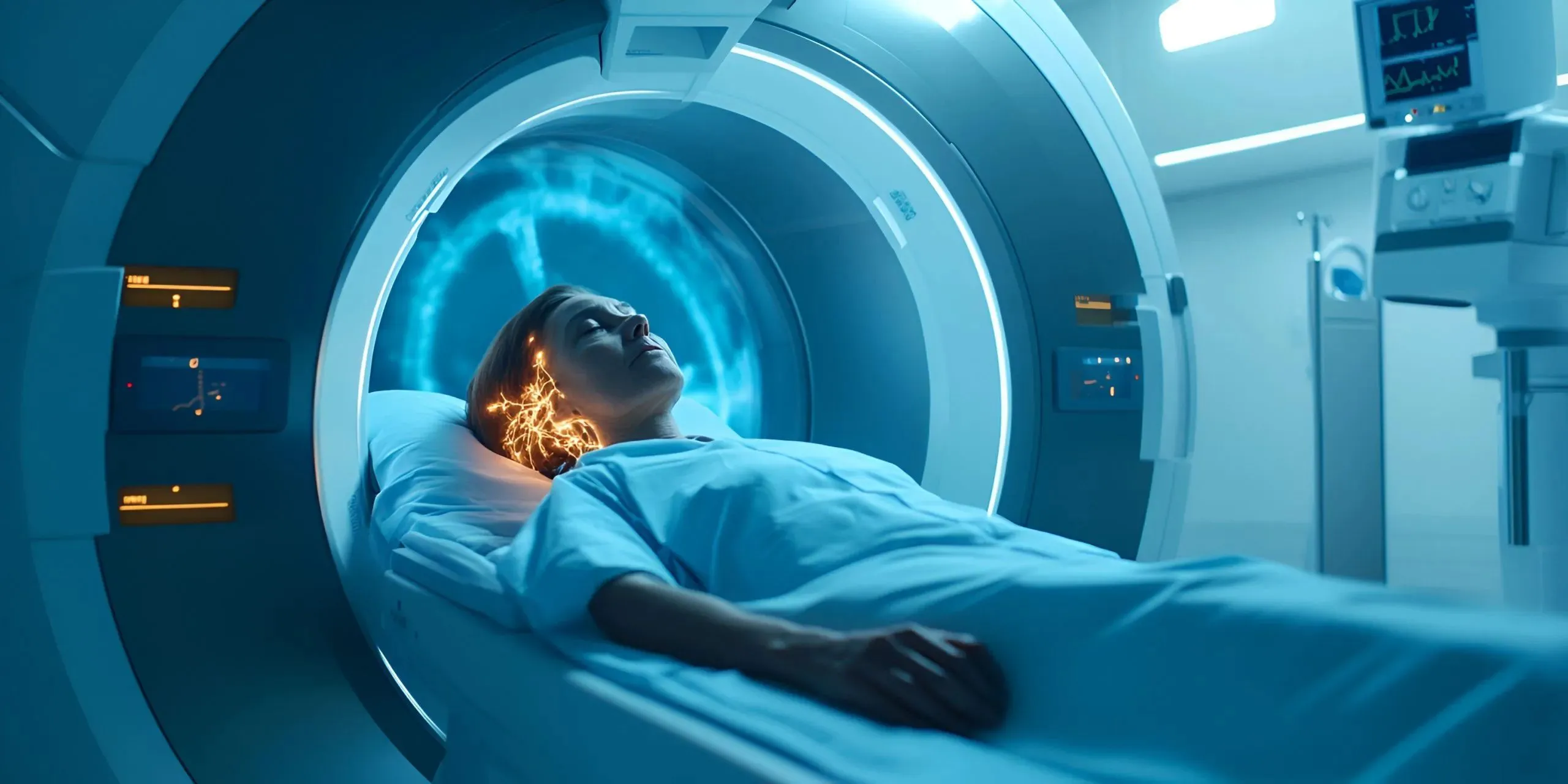
The global industrial inspection landscape is rapidly evolving, driven by precision demands, automation, and the need for safer and faster quality control. In this transformation, integrated X-ray source manufacturers are playing a crucial role by developing compact, highly efficient imaging systems that are reshaping how industries detect flaws and ensure product integrity.
Unlike traditional bulky systems that required complex setups and separate components, modern solutions are now built around compact architectures that combine multiple functions into a single, optimized unit. This shift is not just a technological upgrade; it represents a fundamental change in how industries approach inspection, diagnostics, and safety assurance. From aerospace components to food packaging lines, X-ray technology is becoming more accessible, more reliable, and significantly more efficient than ever before.
At the center of this evolution lies the convergence of miniaturization, high-voltage engineering, and intelligent system design. These advancements are enabling manufacturers to deploy inspection systems closer to production lines, reducing downtime and improving accuracy. As industries continue to demand higher throughput and zero-defect manufacturing, the importance of integrated and intelligent X-ray systems will only continue to rise.
The Evolution of Industrial Imaging Systems
Industrial imaging has come a long way from its early reliance on large, stationary X-ray setups that required controlled environments and extensive maintenance. In the past, inspection systems were often isolated from production floors due to their size, complexity, and operational constraints. This created inefficiencies in workflows and limited the speed at which quality control could be performed.
Over time, technological advancements in electronics, materials science, and radiation control enabled the development of more compact systems. These systems gradually became more adaptable, allowing industries to integrate imaging directly into production lines. This shift was particularly important for sectors such as electronics manufacturing and aerospace engineering, where precision and defect detection are critical.
Today, industrial imaging is no longer a separate function but an integrated part of manufacturing ecosystems. Modern systems are designed to operate continuously, delivering real-time feedback and enabling immediate corrective action. This evolution has significantly reduced waste, improved safety standards, and enhanced overall production efficiency.
The Shift Toward Compact and Integrated X-Ray Solutions
One of the most significant breakthroughs in recent years has been the rise of compact imaging architectures. Instead of relying on separate components such as external power supplies, control units, and radiation sources, modern systems now integrate these elements into a unified design.
This shift has been largely driven by integrated X-ray source manufacturers, who focus on combining multiple functional elements into a single, highly efficient unit. The result is a system that is not only smaller in size but also more stable, easier to install, and more cost-effective to maintain.
This level of integration allows industries to deploy imaging systems in environments where space is limited, such as automated production lines or mobile inspection units. It also reduces system complexity, which minimizes the risk of operational failure and improves long-term reliability. As industries continue to automate, the demand for compact and intelligent imaging solutions is expected to grow significantly. These systems are now essential in environments where speed, precision, and continuous operation are required simultaneously.
The Role of High Voltage Systems in Imaging Performance
At the core of every X-ray system lies its ability to generate controlled radiation, which is made possible through advanced high-voltage engineering. A generator for X-ray machine is responsible for producing the electrical power required to accelerate electrons and create X-ray emissions used for imaging.
The efficiency and stability of this component directly influence image quality, penetration capability, and system reliability. In modern systems, the generator is no longer a standalone unit but is often integrated into compact modules that work seamlessly with imaging sensors and control software.
This integration allows for precise control over exposure levels, ensuring that images are both clear and safe for industrial use. It also enables dynamic adjustment based on the material being inspected, whether it is metal, plastic, or composite structures. Industries benefit significantly from this advancement because it reduces the need for manual calibration and improves consistency across inspection cycles. As a result, production lines can operate more efficiently with fewer interruptions and higher accuracy in defect detection.
Why Integration is Redefining Industrial Efficiency
The integration of imaging components into unified systems has had a profound impact on industrial efficiency. One of the most important benefits is the reduction in system footprint. Smaller systems mean easier installation, lower infrastructure costs, and greater flexibility in deployment.
Another major advantage is improved reliability. When multiple components are designed to work as a single system, the chances of compatibility issues or communication delays are significantly reduced. This leads to more stable performance and fewer maintenance requirements.
This level of responsiveness is particularly valuable in high-speed production environments, where even minor delays can result in significant losses. By combining imaging, control, and processing into a single system, industries achieve a level of operational efficiency that was previously unattainable, especially with advancements driven by integrated X-ray source manufacturers.
The Future of Industrial X-Ray Technology
The future of industrial imaging is expected to be defined by deeper integration, smarter automation, and greater accessibility. As industries move toward fully automated production environments, imaging systems will play an even more central role in ensuring quality and safety.
We can expect to see further miniaturization of components, allowing imaging systems to be embedded directly into robotic systems and production machinery. This will enable continuous, real-time inspection without disrupting workflow.
Artificial intelligence will also play a major role in enhancing image interpretation and defect detection. Systems will become capable of learning from historical data, improving accuracy over time, and reducing the need for human intervention.
Conclusion
The transformation of industrial imaging is being driven by continuous innovation in system design, integration, and high-voltage engineering. As industries demand faster, more accurate, and more reliable inspection solutions, compact technologies are becoming the new standard.
Companies like VJ X-Ray are contributing to this evolution by advancing solutions that align with modern manufacturing needs, helping industries move toward smarter, more efficient, and highly integrated inspection ecosystems, especially through advancements in generator for X-ray machine technology.
