

People don’t often care about their eyes until they have a problem. Despite this, most of the people still make themselves believe that it does not matter. A bad night of sleep. Too many hours on the laptop. Stress. The problem with glaucoma is that this exact thinking is what allows it to quietly destroy vision while a person goes about their normal life completely unaware.
This doesn’t scare anyone. It’s supposed to be true.
The Thing About How Glaucoma Actually Starts
Understanding glaucoma causes helps put everything into perspective. A fluid is always moving around inside the eye to keep the pressure inside healthy. Pressure rises when the drainage system that handles that fluid becomes clogged or when the eye just starts to make more fluid than it can manage. That rising pressure sits against the optic nerve. The nerve, which is essentially the cable that sends visual information to the brain, begins to deteriorate. Slowly. Quietly. Without any pain in most cases.
This is especially difficult because early visual nerve damage is not easily obvious. People know the signs are there, but they are so normal for them that they don’t find eye treatments or do anything about them for months.
Early Signs That Get Dismissed Far Too Often
- Side vision is usually the first casualty. It gets narrower over time, and most people don’t even notice until it’s too late because the brain is so good at filling in the holes.
- The halos that circle lights at night are another problem. These are the softly coloured rings that appear around streetlights or headlights and seem harmless but are actually caused by fluid interference in the eye.
- Blurry vision that no updated prescription seems to fix is another one. So is a recurring dull ache around or behind the eye that people keep blaming on screen fatigue.
- Headaches deserve a mention here because they are wildly underreported as glaucoma symptoms. In particular, early-morning and late-night occurrences that seem to be for no particular reason. This should also include eye pain, chronic red eyes, difficulty with changing from a bright to dark room and occasional illness.
Not a crisis here. That is the entire problem.
Who Is Actually at Risk
Glaucoma causes are not limited to one factor, which is part of why the risk conversation is so important. Age is a significant one, especially past forty. Because of family background, the stakes are much higher. People who are highly nearsighted, persons who have diabetes mellitus and hypertension, and a person with previous eye surgeries, such as laser surgery, and eye injuries pose a high risk as well.
Another less discussed group consists of individuals who work or watch screens often in low-light environments, individuals with a uveitis history and individuals who have long-term steroid use. Risk, after all, isn’t all on its face. It becomes visible in various individuals that may have not regarded themselves as candidates for serious eye issues.
Prevention and Why Glaucoma Treatment Needs to Start Early
Here is where things actually get hopeful. Glaucoma treatment today is genuinely effective when it begins before significant damage has occurred. The goal is pressure reduction, and there are multiple ways to get there depending on how far things have progressed.
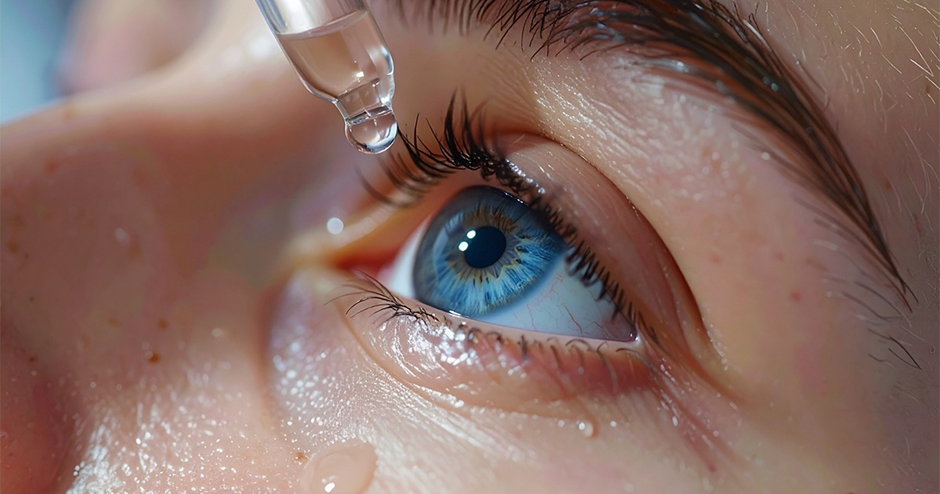
Glaucoma medications in the form of prescription eye drops are almost always the starting point. They either slow down how much fluid the eye produces or help it drain more efficiently. The critical thing with glaucoma medications is consistency. When patients quit using drops because their eyes feel better, they are basically taking away the sole item that is controlling their blood pressure. That error occurs more frequently than it ought to.
Treatment for glaucoma moves to laser methods that improve flow without needing surgery when drops are insufficient. For cases that have progressed further, surgical options are available and far more refined than they used to be. Eye treatments in this space have genuinely evolved, offering patients less invasive paths to pressure control with faster recovery.
The Part That Actually Matters
Vision that glaucoma takes does not come back. That is the hard truth sitting at the center of every conversation about this condition. But vision that still exists can absolutely be protected when glaucoma treatment starts at the right time.
An eye examination is not a dramatic step. It is just a smart one. For anyone who recognized even two or three things from this article, booking that appointment this week is the most important thing they will do for themselves all year.
