

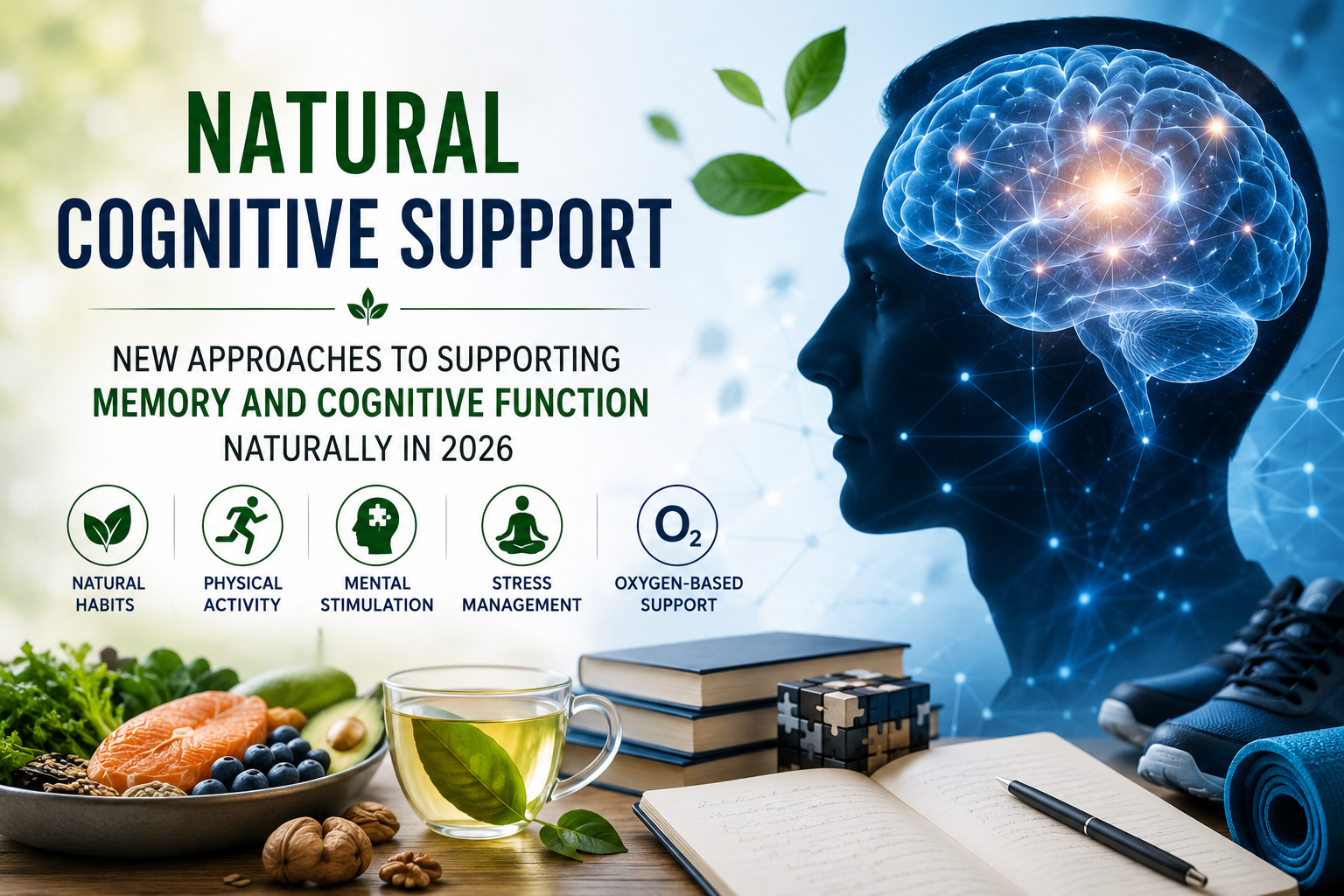
Memory and cognitive function are becoming increasingly important topics as people look for ways to stay sharp and focused throughout different stages of life. While occasional forgetfulness can be a normal part of aging, many individuals are now more aware of how lifestyle, stress, and daily habits can influence how the brain performs. This awareness has led to a growing interest in natural and supportive ways to maintain cognitive health.
In 2026, the approach to brain health is no longer limited to traditional advice alone. People are combining simple lifestyle habits with newer, non-invasive methods that aim to support mental clarity in a more targeted way. The goal is not to rely on one solution, but to create a balanced routine that supports the brain over time.
Why Supporting Cognitive Function Matters
Cognitive function plays a key role in everyday life. It affects how people think, remember, communicate, and make decisions. Even small changes in memory or focus can have an impact on productivity and confidence.
Many individuals begin to notice subtle signs, such as taking longer to recall information or feeling mentally fatigued more often. While these changes are not always serious, they can serve as a reminder to take a more proactive approach to brain health.
By focusing on support early, people can work toward maintaining their mental performance and overall well-being in the long term.
The Role of Natural Lifestyle Habits
Natural habits continue to be the foundation of cognitive health. A well-balanced diet provides essential nutrients that support brain function, while regular physical activity improves circulation and overall energy levels.
Mental engagement is just as important. Activities like reading, solving puzzles, or learning new skills help keep the brain active. Social interaction also contributes to cognitive well-being by encouraging communication and emotional connection.
Sleep plays a critical role as well. During rest, the brain processes information and resets, making it easier to focus and remember things the next day. Managing stress through relaxation techniques or simple breaks can also help reduce mental strain.
These habits may seem basic, but when practiced consistently, they create a strong base for maintaining memory and cognitive function.
How Modern Approaches Are Expanding Options
While traditional habits remain essential, modern approaches are adding new possibilities for supporting brain health. Advances in science and technology have introduced methods that focus on improving how the brain receives oxygen, nutrients, and stimulation.
These approaches are often non-invasive and designed to work alongside daily routines. Rather than replacing healthy habits, they aim to enhance them, offering additional support for those looking to maintain mental clarity.
As awareness grows, more people are exploring these options as part of a broader strategy for cognitive well-being.
Oxygen-Based Support and Brain Function
One area that has gained attention is the role of oxygen in brain health. The brain relies on a steady supply of oxygen to function efficiently. When oxygen delivery is optimized, it may support communication between brain cells and overall mental performance.
Some individuals are exploring options such as oxygen-based therapy for memory health as part of a broader approach to supporting cognitive function.
This type of method focuses on increasing oxygen availability in a controlled environment, with the goal of supporting how the brain operates.
While interest in these approaches is growing, they are generally viewed as complementary methods rather than standalone solutions. They are often combined with healthy lifestyle habits to create a more balanced approach.
Combining Natural and Modern Strategies
The most effective approach to cognitive health often involves combining traditional habits with modern support methods. Instead of choosing one over the other, many individuals are finding value in integrating both.
For example, maintaining a healthy diet and regular exercise routine while also exploring non-invasive therapies can provide a more comprehensive strategy. This combination allows for both immediate support and long-term benefits.
Consistency is important in this process. Small, regular efforts tend to be more effective than short-term changes, making it easier to sustain results over time.
Staying Informed and Making Thoughtful Choices
With so many options available, it is important to stay informed and approach new methods carefully. Not every approach will be suitable for everyone, and results can vary based on individual needs.
Researching different options, understanding how they work, and seeking professional advice when necessary can help individuals make better decisions. Taking a thoughtful and balanced approach ensures that any new method fits well within an overall lifestyle.
Avoiding unrealistic expectations is also important. Cognitive health is best supported through consistent effort rather than quick fixes.
The Future of Natural Cognitive Support
The future of brain health is moving toward a more personalized approach. As research continues, individuals will have access to a wider range of options that can be tailored to their specific needs.
At the same time, the importance of natural habits will remain unchanged. Simple actions like staying active, eating well, and keeping the mind engaged will continue to be essential.
The combination of these habits with modern approaches is likely to define how people support their cognitive function in the years ahead.
Conclusion
As interest in cognitive wellness continues to grow, platforms such as BaricBoost are helping people learn more about modern oxygen-based support methods alongside healthy daily habits.
Supporting memory and cognitive function naturally involves a balance of consistent habits and thoughtful exploration of new methods. While traditional approaches provide a strong foundation, modern therapies are offering additional ways to support brain health.
By combining these strategies, individuals can take a proactive approach to maintaining mental clarity and overall well-being. As awareness continues to grow, the focus remains on creating sustainable routines that support the brain over the long term.