

Industrial facilities depend on accurate measurements to control materials, monitor production, manage inventory, and verify shipments. Even a small weighing error can affect product quality, operating costs, and customer confidence. Regular servicing helps equipment remain dependable under demanding working conditions.
Businesses seeking an electronic weighing scale solution should consider not only its capacity and features, but also the maintenance and technical support available throughout its working life. A planned service approach protects measurement accuracy and helps operations run consistently throughout operations.
Why Weighing Accuracy Matters
Weight measurements influence decisions across manufacturing, warehousing, food processing, logistics, construction, and retail. Production teams use them to measure ingredients, check batches, and maintain formulation consistency. Warehouses rely on accurate readings when receiving goods, preparing orders, and reconciling stock. Transport operators use weighing systems to verify vehicle loads and support safe dispatch.
When a scale produces incorrect readings, the consequences can extend beyond the weighing station. Materials may be overused or underfilled, invoices may contain errors, and quality checks may fail to identify inconsistencies. Repeated discrepancies can also make it difficult to trace the source of a production problem. Servicing helps identify developing faults before they affect these connected processes.
How Regular Servicing Supports Performance
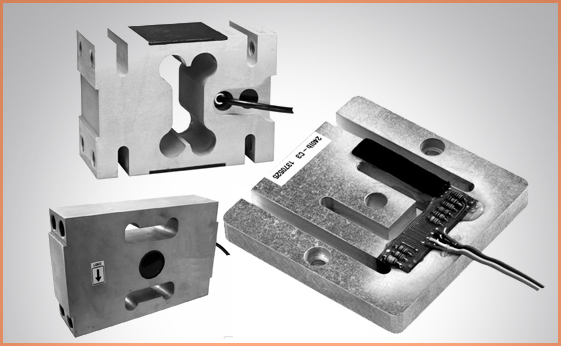
This equipment operates through several components, including load cells, indicators, wiring, power supplies, platforms, and software. Dust, moisture, vibration, heavy use, accidental impact, and unstable electrical conditions can gradually affect their performance. A service inspection checks the condition of these components and identifies signs of wear, loose connections, contamination, or damage.
Technicians can clean accessible areas, inspect cables, examine the platform, test display functions, and assess whether the equipment responds consistently. Addressing small problems early can reduce the likelihood of unexpected breakdowns and avoid interruptions during busy production periods.
Calibration and Measurement Reliability
Calibration is an important part of maintaining dependable weighing equipment. It involves comparing an instrument’s readings with suitable reference standards under defined conditions. The results help establish whether the scale performs within the required tolerance and whether adjustments or further investigation are necessary.
Calibration frequency should reflect equipment use, the operating environment, internal quality procedures, and applicable industry requirements. Records of dates, results, and corrective actions help demonstrate that measurement equipment is being monitored.
Servicing and calibration perform related but different roles. Calibration evaluates measurement performance, while servicing examines the equipment’s overall condition and operation. Combining both activities gives maintenance teams a clearer view of reliability and helps them plan corrective work.
Reducing Downtime and Unplanned Costs
A failed weighing system can slow a production line, delay dispatch, or create a queue at a receiving point. If staff cannot confirm quantities, they may need to pause work, repeat checks, or use another measurement process. These interruptions can affect schedules and increase labor costs.
Preventive maintenance provides an opportunity to find problems before equipment stops working. Inspections can reveal damaged cables, worn components, unstable displays, or platform issues that might otherwise lead to failure. Businesses can then schedule repairs at a convenient time, arrange replacement parts, and reduce disruption to critical operations.
Planned maintenance is generally easier to manage than emergency repairs, lost production time, and delayed deliveries. It should form part of equipment management rather than being treated only as a response to breakdowns.
Maintaining Safety and Operational Consistency
Weighing equipment is often installed in areas where forklifts, vehicles, machinery, and workers operate together. Damaged platforms, loose cables, unstable mounting, or malfunctioning indicators can create operational hazards as well as measurement problems. Routine checks help identify visible defects and support safer equipment use.
Staff should follow the manufacturer’s instructions for loading, cleaning, and operating each unit. Loads must remain within the rated capacity, and materials should be positioned correctly on the platform. Operators should report unusual readings, physical damage, or repeated error messages instead of attempting repairs without suitable training.
Consistent procedures also improve the quality of measurement records. When operators use equipment correctly and report faults promptly, supervisors can investigate discrepancies more effectively and maintain dependable production checks.
Choosing the Right Service Support
The quality of service support matters when selecting or maintaining weighing equipment. Businesses should consider whether technicians have relevant experience with the equipment type, whether calibration documentation is available, and how repair requests are handled. Support for industrial bench scales, floor scales, laboratory balances, load cells, and weighbridges may require different technical knowledge.
Facilities operating across multiple locations may need coordinated inspections and maintenance. Clear communication about service scope, response arrangements, documentation, and follow-up helps businesses plan effectively.
Companies comparing an electronic weighing scale in UAE provider should review its ability to support equipment over time, not simply the initial purchase. Access to repair, calibration, maintenance, user guidance, and suitable replacement components can contribute to a more dependable ownership experience.
The Importance of Operator Training
Even well-maintained equipment can produce unreliable results when it is used incorrectly. Training helps employees understand start-up procedures, zeroing, tare functions, capacity limits, cleaning precautions, and basic error messages. It also encourages operators to recognize abnormal behavior and escalate concerns early.
Written instructions support consistent practices across shifts. Managers should train new employees and review procedures when equipment or production requirements change. Training complements professional servicing by helping prevent misuse.
Conclusion
Reliable weighing supports product quality, cost control, inventory accuracy, and timely movement of goods. Regular inspection, timely repairs, calibration, and operator training help industrial equipment deliver consistent results while limiting avoidable downtime. Businesses should treat maintenance as an ongoing operational requirement, with service intervals based on usage and working conditions. Choosing an experienced electronic weighing scale service provider can help protect equipment performance and support dependable industrial operations over the long term during demanding daily operations.
With decades of industry experience, Universal Scales supports industrial customers through weighing equipment supply, calibration, repair, and maintenance services. Their technicians handle retail and industrial scales, load cells, laboratory balances, and weighbridges. The company also offers operator guidance, training, and weighing-based automation solutions to help businesses maintain measurement accuracy, improve efficiency, and meet varied production requirements across the wider Gulf region.
