

When did you last walk into a bank branch? For a growing number of customers, the honest answer is “I can’t remember”. Paying a friend, settling a utility bill, topping up a phone, buying a coffee with a QR code: all of it now happens on a screen small enough to slip into a pocket. Mobile banking has moved from a handy extra to the front door of the entire banking relationship, and customers have quietly rewritten their expectations.
They want speed, simplicity, and security, at midnight as much as at midday. Behind that shift lies a set of powerful forces, and understanding them explains why banks everywhere are racing to become something smarter than a branch in an app.
Convenience Became the Baseline
The first driver is simple: the smartphone won. Once a device sits in every hand, the question for banks changes from “will customers use digital channels?” to “why would they use anything else?” Instant transfers, card controls, savings goals and loan applications are now expected to work in seconds, with no queue and no paperwork.
Vietnam shows how far this can go. Industry figures suggest that nearly 87% of adults hold a bank account and that many institutions process more than 95% of their transactions through digital channels. When digital is the default, every clumsy screen or slow approval is felt immediately.
Life Moved Onto the Phone
Banking rarely happens in isolation anymore. People order food, hail rides, shop online, split bills, and pay for services within the same handful of apps. Cashless habits, helped along by QR payments and fast interbank transfers, have turned money movement into a background action instead of a special task. Banks that stay separate from these everyday journeys risk becoming invisible utilities. Those that embed payments, offers and credit into the places customers already spend time gain relevance, and data, in return.
From Digital to Smart
Here is the crucial distinction. Basic mobile banking digitizes existing services: check a balance, make a transfer, download a statement. Smart banking goes further by using data, automation and artificial intelligence to anticipate what the customer needs next. Think of an app that flags an unusual charge before you notice it, suggests moving idle cash into savings, pre-approves a small loan for a purchase you are already considering, or answers a question through a conversational assistant at 2 a.m. Personalization of this kind turns a transactional tool into something closer to a financial companion, and customers who experience it rarely go back.
Security and Trust Made It Possible
No one hands over their money to an app they do not trust. That is why security technology is a driver in its own right. Biometric login, facial recognition, device binding, and electronic identity verification have made onboarding faster and everyday use safer, while real-time fraud monitoring spots suspicious behavior as it happens.
Regulators have reinforced the trend by tightening authentication requirements for higher-value online transfers. The result is a virtuous circle: better protection builds confidence, confidence increases usage, and greater usage produces the data that sharpens fraud detection further.
Regulation and Inclusion Set the Direction
Policy has played an active role. Vietnam’s central bank has set out a 2026–2030 digital transformation plan aimed at a more data-driven institution, wider digital payments and stronger information security, alongside a national financial inclusion strategy for the same period.
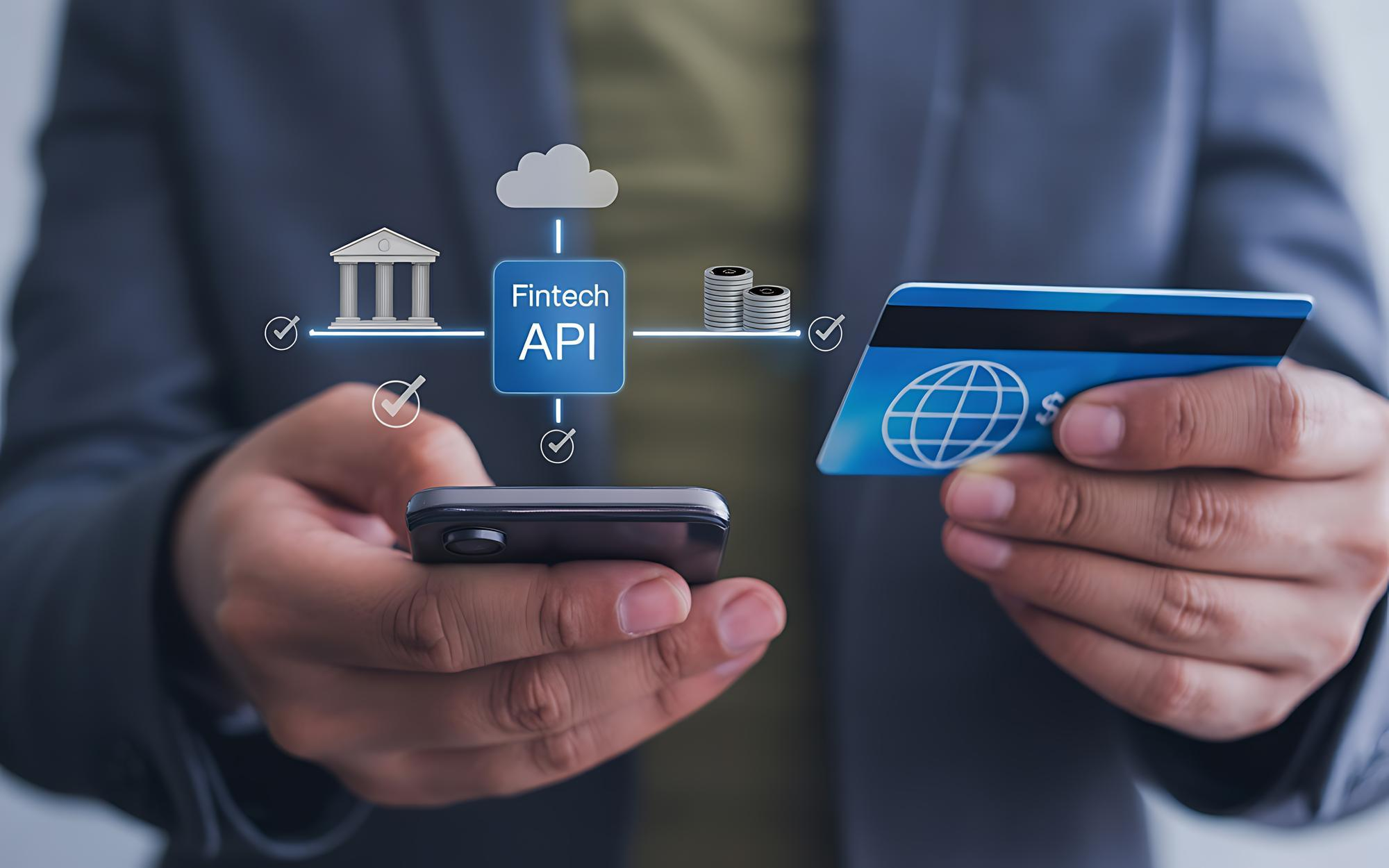
Goals like these encourage banks to reach people who were previously underserved, including those in smaller cities and rural areas, where a phone is far more accessible than a branch. Open APIs and shared infrastructure add to the momentum by allowing banks, fintechs, and retailers to build services on common foundations.
Competition Raised the Stakes
Digital-only banks and fintech start-ups have no branches to maintain and no legacy habits to protect, so they design around the app from day one. With over 200 fintech companies reportedly operating in the country, incumbents cannot afford to be complacent.
Competition also has a cost dimension. Digital channels handle routine requests far more cheaply than counters and call centers, freeing staff to focus on complex advice. For banks, investing in smarter digital experiences is both a defensive move and a route to healthier margins.
The Hurdles Still Ahead
The journey is not frictionless. Fraud and social-engineering scams remain serious threats, and every convenience feature must be balanced against risk. Digital literacy varies widely, so a polished app can still leave older or first-time users behind.
Aging core systems make real-time personalization difficult, and data privacy obligations demand careful handling of the very information that powers smart features. Progress depends on solving these problems together, not one at a time.
What Banks Can Do Now
- Fix the basics first: Reliable logins, fast transfers, and clear language matter more than flashy features.
- Use data responsibly: Be transparent about what you collect and give customers visible control.
- Build security into the experience: Make protection feel seamless, with clear alerts and simple recovery.
- Design for everyone: Offer assisted channels and education for customers who are less confident with technology.
- Measure outcomes: Track engagement, resolution times and customer trust, not just download numbers.
Conclusion
The move to smarter banking is not driven by a single breakthrough. It is the product of ubiquitous smartphones, cashless habits, better security, supportive policy, and fierce competition arriving together. The institutions that thrive will treat the app not as a channel but as the heart of a relationship built on trust, relevance and speed. In short, smart banking is what happens when convenience meets intelligence, and customers are already asking for it.
World Financial Innovation Series (WFIS) Vietnam is a Tradepass-organized gathering for Vietnam’s financial sector. They bring together banks, regulators, fintech innovators and solution providers to discuss digital payments, AI, APIs and customer experience. Their next edition takes place in Hanoi on 25–26 May 2027, so decision-makers can exchange practical ideas.
