

Introduction
Modern electronic devices need power components that deliver reliable performance while using less energy and space. From compact consumer electronics to industrial power supplies, engineers are always looking for ways to improve efficiency, reduce heat, and create smaller circuit designs. Schottky rectifier diodes are important components in this process because they offer a low forward voltage drop and fast switching performance in many applications. These features make them a practical choice for power conversion circuits, battery-powered devices, and high-frequency electronic systems.
Good-Ark provides a range of semiconductor components that engineers can evaluate when designing efficient electronic products. Its Schottky rectifier diode selection can help users compare devices according to package type and key electrical specifications. By reviewing forward voltage, reverse voltage, current rating, leakage current, and temperature limits, designers can identify components that fit their circuit requirements. Understanding these specifications is an important step toward choosing the right diode, improving power efficiency, and building dependable electronic systems.
What Are Schottky Rectifier Diodes?
Schottky rectifier diodes are semiconductor devices that allow current to flow mainly in one direction. Unlike conventional silicon PN-junction diodes, they use a metal-semiconductor junction. This structure usually results in a lower forward voltage drop, which means less energy is lost when current passes through the diode. In many applications, this advantage helps reduce power consumption and heat generation, making Schottky devices useful for compact and energy-efficient electronic designs.
Another important feature is their fast switching behavior. Schottky diodes have very little reverse recovery charge compared with many conventional rectifier diodes, which can help reduce switching losses in suitable circuits. However, their electrical performance varies by device type, operating current, temperature, and reverse voltage. Engineers should therefore compare individual specifications instead of assuming that every Schottky rectifier offers the same benefits. Good-Ark components can be evaluated against these requirements to support informed decisions during circuit development and product design.
Why Schottky Diodes Support Energy-Efficient Designs
Energy efficiency is a major concern in modern power electronics. Every unnecessary loss can increase operating costs, create additional heat, and place more pressure on thermal management systems. Because Schottky rectifier diodes often have a lower forward voltage than standard silicon rectifiers, they can reduce conduction losses in applications where current flows through the diode for a significant part of each operating cycle. This benefit is especially useful in low-voltage power supplies, DC-to-DC converters, battery charging circuits, and other systems where small voltage losses can have a noticeable effect on overall efficiency.
Choosing the correct diode still requires a careful balance between electrical performance, thermal conditions, and cost. A device with a low forward voltage may have higher reverse leakage current, particularly at elevated temperatures. Leakage can reduce efficiency when a circuit operates at high temperature or spends long periods under reverse bias. Engineers should consider the complete operating range rather than focusing on a single attractive specification. By comparing Good-Ark Schottky rectifier diodes using actual circuit conditions, designers can make better choices for energy-saving products without overlooking reliability or thermal performance.
Key Specifications to Compare Before Choosing a Diode
The first specification to review is reverse voltage, which indicates the maximum reverse-bias voltage a diode is designed to withstand under stated conditions. The selected device should provide an appropriate margin above the highest expected reverse voltage, including relevant circuit transients. Forward voltage is equally important because it affects conduction losses and heat generation. Since forward voltage changes with current and temperature, engineers should examine the manufacturer’s electrical characteristics at operating conditions that closely match their intended application.
Forward current rating, reverse leakage current, and junction temperature limits also play important roles in diode selection. The current rating must suit the expected load and the circuit’s thermal environment, while leakage current should remain acceptable across the full temperature range. Package type matters because it affects board space, electrical connections, and heat transfer. Good-Ark’s Schottky rectifier diode listings allow visitors to compare package options and electrical specifications when narrowing down suitable components. Reviewing the individual datasheet is essential for confirming test conditions, thermal resistance, recommended operating limits, and other details needed for a dependable design.
Common Applications and Package Considerations
Schottky rectifier diodes are widely used in switching power supplies, DC-to-DC converters, reverse-polarity protection circuits, solar power electronics, and battery-operated equipment. They can also support output rectification in suitable high-frequency converters, where fast switching and low conduction losses are valuable. In portable electronics, efficient rectification can help extend battery life and reduce unwanted heat. In industrial systems, selecting an appropriate device can contribute to reliable power conversion and more effective thermal management. The best choice depends on the circuit topology, current demand, voltage levels, switching frequency, and surrounding operating conditions.
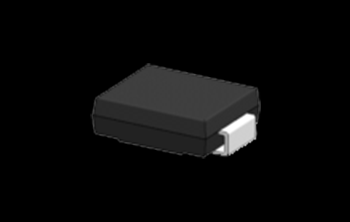
Package selection is another important part of the design process. Small surface-mount packages can help save printed circuit board space and support automated assembly, while larger packages may provide better heat dissipation for applications with higher power demands. However, package size alone does not determine performance. PCB copper area, component placement, airflow, and the thermal path all influence the actual junction temperature. When exploring Good-Ark diode options, engineers should compare package dimensions alongside electrical ratings and thermal data. This approach helps ensure that a selected Schottky rectifier fits both the physical layout and the performance needs of the finished product.
How to Evaluate Good-Ark Schottky Rectifier Diodes
Selecting a suitable component begins with a clear understanding of the circuit’s electrical and environmental requirements. Engineers should identify the maximum reverse voltage, expected forward current, switching conditions, ambient temperature, and available board space. They can then use these requirements to narrow the available Good-Ark Schottky rectifier diodes by package and electrical specifications. Comparing devices under similar test conditions makes it easier to understand meaningful differences and avoid choosing a component based on one specification alone. It is also helpful to consider safety margins and expected variations in operating conditions.
Good-Ark’s development story reflects a focus on long-term growth, cooperation, and shared progress. The company describes its journey from a small factory to a recognized diode manufacturer and emphasizes its commitment to employees, customers, suppliers, and continued development. For engineers and purchasing teams, evaluating a supplier involves more than comparing component prices. Product documentation, specification clarity, availability, and technical support can all influence the success of a design. Reviewing individual datasheets and confirming requirements with the supplier helps teams assess whether a component is appropriate for their application. A careful selection process supports efficient engineering decisions and encourages productive cooperation throughout product development.
Conclusion
Schottky rectifier diodes are valuable components for electronic designs that require efficient power conversion, fast switching, and practical use of limited board space. Their low forward voltage can help reduce conduction losses, while their switching characteristics make them suitable for many modern power electronics applications. However, successful selection depends on understanding reverse voltage, forward current, leakage current, temperature limits, and package performance together.
Good-Ark offers a starting point for comparing Schottky rectifier diodes according to important electrical and physical specifications. By reviewing component listings, checking datasheets, and matching device characteristics to real operating conditions, engineers can make more informed choices for compact, energy-efficient, and dependable products. A balanced approach to diode selection helps designers improve performance while maintaining the reliability required for today’s electronic systems.
