

Introduction
Pest control is often associated with removing rats, mice, insects or birds after they have already become a problem. However, effective pest management is also about understanding why pests choose a particular property in the first place.
Food sources, shelter, accessible roof spaces, damaged structures and small gaps around buildings can all make a property attractive to unwanted visitors. Once pests discover a reliable environment, they may continue returning unless the underlying conditions are addressed.
For residents and businesses looking for Pest Control Brentwood, prevention should therefore be considered alongside treatment. A professional service can help identify signs of activity, determine likely entry points and recommend practical measures that make a property less appealing to pests.
Understanding What Attracts Pests
Every pest has different requirements, but most are looking for some combination of food, water, shelter and a safe place to reproduce.
A house with accessible food waste can attract rodents and flies. Gaps beneath doors or around pipes can provide mice with entry routes. Roof spaces can offer squirrels a warm place to shelter, while ledges and building structures can become attractive locations for pigeons.
This means pest prevention is not necessarily about making a property completely inaccessible. Instead, it is about reducing the opportunities that allow pests to establish themselves.
The Main Pest Problems Found Around Brentwood
A broad pest management strategy needs to account for several different types of infestation.
Rodents
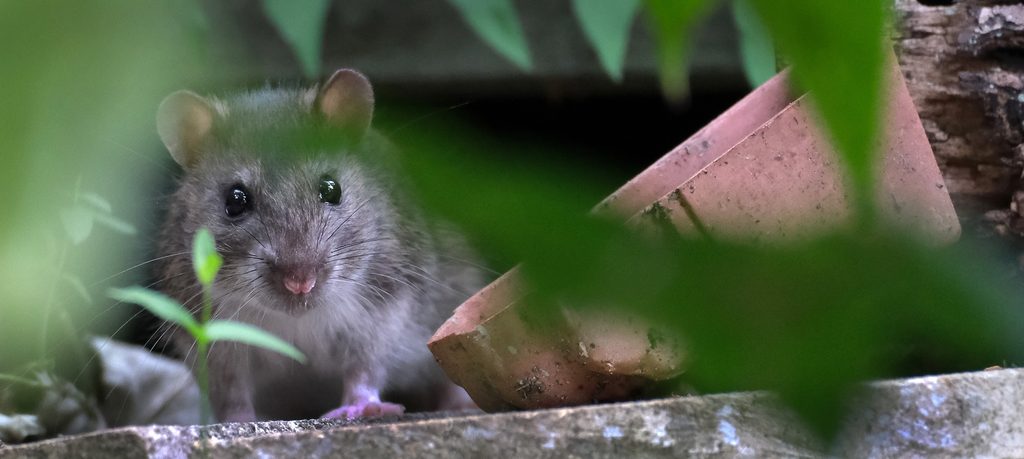
Rats and mice can be particularly troublesome because they can remain hidden for long periods. They may travel through voids, lofts and other concealed spaces before becoming noticeable.
Signs can include droppings, gnawed packaging, damaged cables, unusual smells and noises coming from ceilings or walls.
Wasps
Wasps may establish nests around rooflines, gardens, sheds and other sheltered locations. A nest located close to areas used frequently by people can create an immediate concern.
Professional assessment can determine the most suitable way to deal with an active nest.
Bed Bugs
Bed bugs are difficult to manage because of their ability to hide in small spaces around beds, furniture and soft furnishings. Early investigation can be important when suspicious bites or other evidence appear.
Moths
Moths can become a problem in homes and businesses where fabrics, clothing or stored materials are present. Damage may be noticed before the insects themselves are clearly identified.
Flies and Ants
Flies can multiply around suitable food and waste sources, while ants may enter buildings in search of food. Recurring activity often means there is an attractive source somewhere nearby.
Squirrels and Moles
Squirrels may enter lofts and roof spaces, whereas moles can affect lawns and gardens through underground tunnelling. Both require an approach suited to their particular behaviour.
Pigeons and Other Birds
Bird activity around roofs, solar panels, ledges and commercial properties can produce mess, noise and repeated nesting. Deterrence and prevention can be important when birds repeatedly return to the same location.
Prevention Starts With the Property
One of the most useful ways to reduce pest activity is to consider how easily pests can access the building.
Small openings around pipes, doors, roofs and other structural points can become entry routes. Damaged areas may also provide shelter.
A professional pest inspection can help identify potential harbourage and access points that may otherwise be overlooked.
Property owners should also pay attention to:
- Food stored in accessible areas
- Unsecured waste
- Standing water or damp areas
- Untidy external storage
- Gaps around doors and structures
- Overgrown vegetation close to buildings
- Roof and loft access points
- Areas where pests can hide undisturbed
These factors do not automatically cause an infestation, but addressing them can make the environment less attractive.
Benefits of Preventative Pest Management
Waiting until an infestation becomes severe can make pest control more disruptive. Preventative management offers several potential advantages.
1. Lower Risk of Repeat Infestations
Understanding the conditions that attracted pests can help reduce the possibility of the same issue returning.
2. Protection Against Property Damage
Rodents may gnaw cables, timber and insulation, while certain insects can damage fabrics and stored products. Early intervention can help limit the extent of such damage.
3. Better Hygiene
Pests can contaminate areas where food is prepared, stored or consumed. Maintaining effective pest management supports a cleaner environment for both homes and workplaces.
4. Greater Peace of Mind
Knowing that potential pest risks have been assessed can remove some of the uncertainty that comes with unexplained noises, droppings or repeated sightings.
5. Better Business Protection
For shops, restaurants, cafés, warehouses, offices and hospitality venues, preventing pest problems can help protect daily operations and customer confidence.
Domestic Pest Control Brentwood
Residential properties can experience almost any type of pest problem. Homeowners may notice mice in kitchens, rats around external structures, wasps in gardens or insects appearing in bedrooms.
Landlords and letting agents also have an additional responsibility to respond appropriately when tenants report pest activity.
A professional Pest Control Brentwood provider can assess the circumstances and explain the available options rather than expecting the property owner to determine the correct treatment alone.
This is particularly useful when the pest has not been positively identified.
Commercial Properties Need a Different Approach
Businesses often require a more consistent approach because pest activity can affect customers, employees, stock and operations.
Restaurants and cafés may need particular attention because food and waste can attract insects and rodents. Warehouses may have large areas where pests can remain unnoticed. Offices, schools and public buildings also benefit from maintaining suitable preventative measures.
Depending on the circumstances, commercial pest management can involve an individual treatment or an ongoing contract.
Regular monitoring can be useful for businesses that face a continuing risk rather than an isolated pest incident.
Why Local Expertise Can Make a Difference
A local pest professional understands that every property presents different challenges. A residential house with a loft infestation is not treated in exactly the same way as a restaurant experiencing fly activity or a warehouse dealing with rodents.
A local Brentwood Exterminator can assess the property, identify evidence of pest activity and consider environmental factors that may be contributing to the problem.
Local coverage can also make response times more practical when an urgent issue develops.
A Practical Pest Management Process
A professional service can simplify the process by breaking it into clear stages.
Step One: Describe the Problem
Explain what you have noticed, including where the activity is occurring and how long it has been present.
Step Two: Identify the Pest
The correct treatment depends heavily on the pest involved. Identification is therefore an important starting point.
Step Three: Find the Source
Professionals can look for nesting locations, harbourage areas, entry routes and environmental conditions that may be supporting the infestation.
Step Four: Apply Appropriate Treatment
Treatment should be selected according to the pest, property and level of activity.
Step Five: Reduce Future Risk
After treatment, practical recommendations can help prevent another infestation from developing.
When Should You Call a Professional?
You do not necessarily need to wait until you see several pests before seeking advice.
Consider professional help if you notice repeated sightings, unexplained scratching sounds, droppings, gnawing, nests, unusual smells, insect bites or visible property damage.
The earlier a developing problem is investigated, the more opportunity there may be to deal with it before it spreads.
Supporting Homes and Businesses Across Brentwood
Pest management may be required in many different environments, including private homes, rented accommodation, farms, shops, cafés, restaurants, warehouses, offices, schools, garden centres and other commercial or public premises.
Around Brentwood, support may extend to areas including Shenfield, Hutton, Warley, Pilgrims Hatch, Ingrave, Herongate and surrounding Essex locations.
Because coverage can vary, contacting a local provider directly is the simplest way to establish whether your property falls within its service area.
Conclusion
Effective pest control is not simply about eliminating pests after they become visible. The stronger approach is to combine treatment with prevention, property awareness and sensible ongoing management.
Rats, mice, wasps, bed bugs, moths, flies, ants, squirrels, moles and pigeons all behave differently, which is why pest management should be tailored to the specific situation.
For homeowners and businesses seeking Pest Control Brentwood, professional assistance can provide more than a quick response. It can help identify the reason pests have appeared, address the current problem and highlight practical ways to make the property less attractive to future infestations.
When pest activity is persistent, unexplained or causing damage, speaking with a qualified Brentwood Exterminator can be a sensible first step toward restoring a cleaner, safer and more comfortable property.
