

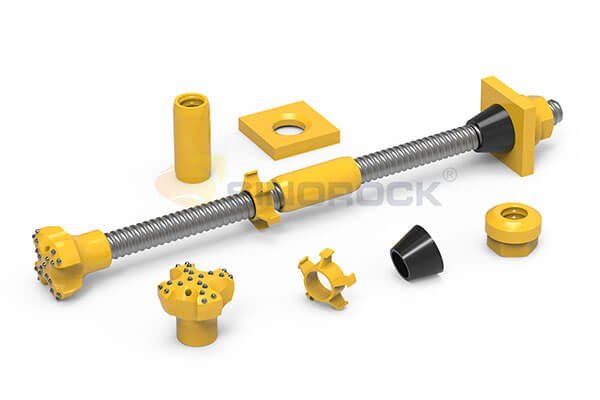
Sourcing self drilling anchor bolts for a construction or geotechnical project is not a decision to make purely on price. The performance of these anchors under real load conditions, sometimes for decades after installation, depends heavily on the quality of the product and the technical expertise of the supplier providing it. Getting this choice wrong can lead to problems that are far more expensive to fix than the amount saved by choosing a cheaper option upfront.
Product Consistency Matters More Than It Seems
Anchor bolts need to perform consistently to the specifications they are rated for, and inconsistency in manufacturing, whether in material quality, thread precision, or dimensional accuracy, can lead to real performance problems on site. A reliable supplier maintains consistent quality control across production batches, and it is worth asking directly about quality control processes and whether test certifications are available for the specific products being supplied.
Technical Support Should Go Beyond the Sale
A good supplier does not just ship product and disappear. Technical support around choosing the right specification for a given application, understanding load ratings, and addressing questions that come up during installation planning genuinely matters, especially for teams that may not have deep in house expertise in anchor bolt selection. Suppliers who are willing to engage in detailed technical conversations before a sale tend to be more reliable partners than those focused purely on moving product quickly.
Range of Specifications Available
Different projects call for different thread designs, diameters, and load ratings, and a supplier with a genuinely broad range of specifications available can better match a product to the actual requirements of a project rather than pushing whatever happens to be readily available. Working with a self drilling anchor bolt supplier that offers a wide enough range to fit varying ground conditions and load requirements tends to lead to better outcomes than working with a supplier whose product line is narrow and inflexible.
Certification and Compliance Documentation
Depending on the region and application, anchor bolts may need to meet specific industry standards or certifications. A reliable supplier should be able to provide clear documentation confirming that their products meet relevant standards, and should not be evasive when asked directly about compliance. This documentation also matters practically for projects that require it as part of regulatory approval or client sign off.
Lead Times and Supply Reliability
Construction schedules often depend on materials arriving when expected, and a supplier with unreliable lead times can create real project delays regardless of how good their product quality is. It is worth asking directly about typical lead times, how those change during periods of high demand, and whether the supplier has a track record of meeting delivery commitments consistently.
Pricing Should Reflect the Full Picture
The cheapest quote is not necessarily the best value once quality, technical support, and delivery reliability are factored in. A slightly higher price from a supplier with a strong track record of consistent quality and reliable delivery often represents better overall value than a lower price from a supplier with an uncertain reputation, especially given how much is riding on anchor bolt performance in most applications where they are used.
Making a Well Informed Sourcing Decision
Choosing among suppliers for critical structural components like self drilling anchor bolts deserves the same careful evaluation as choosing a contractor for specialized installation work. Taking the time to assess product quality, technical support, certification, and delivery reliability leads to a sourcing decision that holds up throughout the life of the project, rather than one that only looks reasonable at the moment the purchase order is signed.
None of this needs to feel overwhelming. Asking the right direct questions upfront, about quality control, technical support, certification, and delivery reliability, tends to surface the answers pretty clearly, and a supplier who handles those questions well is usually a good sign of how they will handle the rest of the relationship too.
