

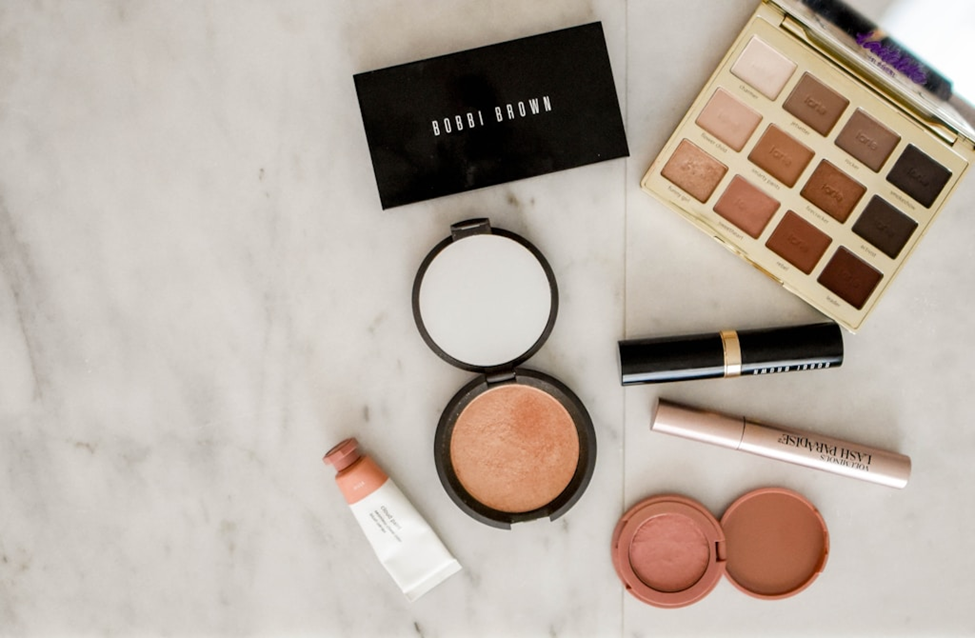
How to Build a Versatile Makeup Routine with Color Cosmetics
A practical makeup routine should be flexible enough to work for everyday wear, professional settings, and more expressive evening looks. The key is not owning a large number of products, but choosing cosmetics that can be combined in different ways and adapted to changing needs.
A well-planned selection usually includes products for complexion, eyes, lips, and nails. The most useful items are those that offer predictable application, complementary shades, and finishes that can be layered or intensified when needed.
Which Products Form the Core of a Makeup Routine?
The basic set should cover the most important stages of makeup without creating unnecessary duplication. A carefully selected collection can include foundation or another complexion product, powder, blush, eye shadows, mascara, eyeliner, lip color, and nail polish.
When choosing products, it is worth considering:
- how often they will be used,
- whether the shades work together,
- how easy they are to apply,
- whether the finish suits everyday or occasional makeup,
- how much versatility each product offers,
- whether the formula fits the user’s preferred style.
A smaller but coordinated selection is often more practical than a large assortment of similar colors.
How to Choose Shades That Work Together
Color harmony makes it easier to create different looks from the same products. Neutral browns, soft pinks, muted taupes, and classic reds can form a useful base, while stronger shades can be added as accents.
The undertone of the complexion also matters. Warm, cool, and neutral shades may appear very different depending on the skin tone, lighting, and surrounding colors.
Instead of buying each product independently, it is often better to think in terms of complete combinations. Eye shadow, lipstick, blush, and nail color do not need to match exactly, but they should create a coherent overall effect.
How to Make Everyday Makeup More Versatile
Daytime makeup usually benefits from soft contrast and easy application. A neutral eye look can be paired with a subtle lip color for work, then transformed later with a darker shadow, stronger liner, or a more intense lipstick.
Layering is especially useful. Products that allow gradual build-up give the user more control than highly intense formulas that are difficult to soften.
This approach also reduces the need to carry a separate set of cosmetics for evening use.
ADOS and Color Cosmetics for Different Makeup Styles
ADOS offers a range of color cosmetics designed for different makeup preferences and product categories. For users who want to build a coordinated routine, the availability of products for several areas of makeup can make it easier to create a consistent set.
Among the available ranges, art de lautrec cosmetics can be considered by people looking for products that support both classic and more expressive makeup styles. The best choice depends on the desired finish, color intensity, and the way each product fits into an existing cosmetic collection.
ADOS can also be useful as a reference point for consumers who prefer to develop their makeup kit gradually. Starting with a few core products and expanding the range based on actual use is often more efficient than buying many similar items at once.
How to Choose Eye Makeup Products
Eye makeup should be selected according to both color preferences and application habits. Neutral shades are usually the easiest to combine, while deeper or metallic tones can add contrast for evening looks.
A useful eye makeup set often includes one light shade, one medium transition color, and one darker tone for definition. Mascara and eyeliner can then be used to adjust the intensity without changing the entire look.
Texture also matters. Products that blend evenly and can be layered are generally easier to use across different styles.
How to Select Lip Colors for Different Occasions
Lip products can change the character of makeup very quickly. Soft pinks, nude shades, and muted tones are typically easy to wear during the day, while deeper reds, berries, or more saturated colors create a stronger effect.
The finish is equally important. Matte products may look more defined, while satin or glossy formulas can create a softer appearance.
It is useful to own at least one understated everyday shade and one more expressive option. This creates variety without unnecessarily expanding the collection.
Why Nail Color Should Be Part of the Overall Look
Nail polish can function as a subtle detail or a strong visual accent. Neutral shades work well with most outfits, while brighter or darker colors can complement a seasonal or evening style.
The nail shade does not have to match lipstick or eye makeup exactly. A more modern approach is to coordinate the overall color mood rather than duplicate the same shade across every element.
This gives greater freedom while still maintaining a polished appearance.
How to Avoid Buying Too Many Similar Products
One of the most common mistakes is collecting multiple cosmetics that perform almost the same function. Several nearly identical lipsticks or eye shadows may add little practical value.
Before buying a new product, it helps to ask whether it introduces a genuinely new color, finish, or function. If it can be used with several products already owned, it is more likely to become part of the regular routine.
This approach also makes makeup storage simpler and reduces the number of products that remain unused.
FAQ – Building a Practical Makeup Collection
How many products are needed for a complete makeup routine?
There is no fixed number. A functional routine can be created with a relatively small set if the products are versatile and work well together.
Should everyday and evening makeup require separate cosmetics?
Not necessarily. Many products can be used for both, especially when their intensity can be layered or combined with stronger accents.
How can I choose shades that suit my skin tone?
It helps to consider undertone, contrast level, and how the shade looks in natural light. Testing colors before purchase can also be useful.
Is it better to buy palettes or individual products?
That depends on how many shades will actually be used. Palettes are practical when most colors are useful, while individual products may be better for very specific preferences.
How often should color cosmetics be replaced?
Users should follow the period-after-opening information on the packaging and replace products if their smell, texture, appearance, or performance changes.
A Good Makeup Collection Should Offer Flexibility
A practical cosmetic set is built around products that work together, suit different occasions, and reflect the user’s actual habits. By focusing on versatility, coordinated shades, and useful finishes, it is possible to create many distinct looks without relying on an oversized collection.
