

The BPC-157 Research Peptide has garnered significant attention within the medical research community for its potential therapeutic benefits. As an investigational peptide, BPC-157 is being explored for its role in healing and recovery across various medical conditions. However, understanding the mechanisms, safety profile, and ongoing research is critical for practitioners interested in its clinical applications. This guide provides a detailed evaluation of BPC-157, focusing on its pharmacokinetics, clinical applications, safety, and current research trends.
BPC-157: Mechanisms and Pharmacokinetics
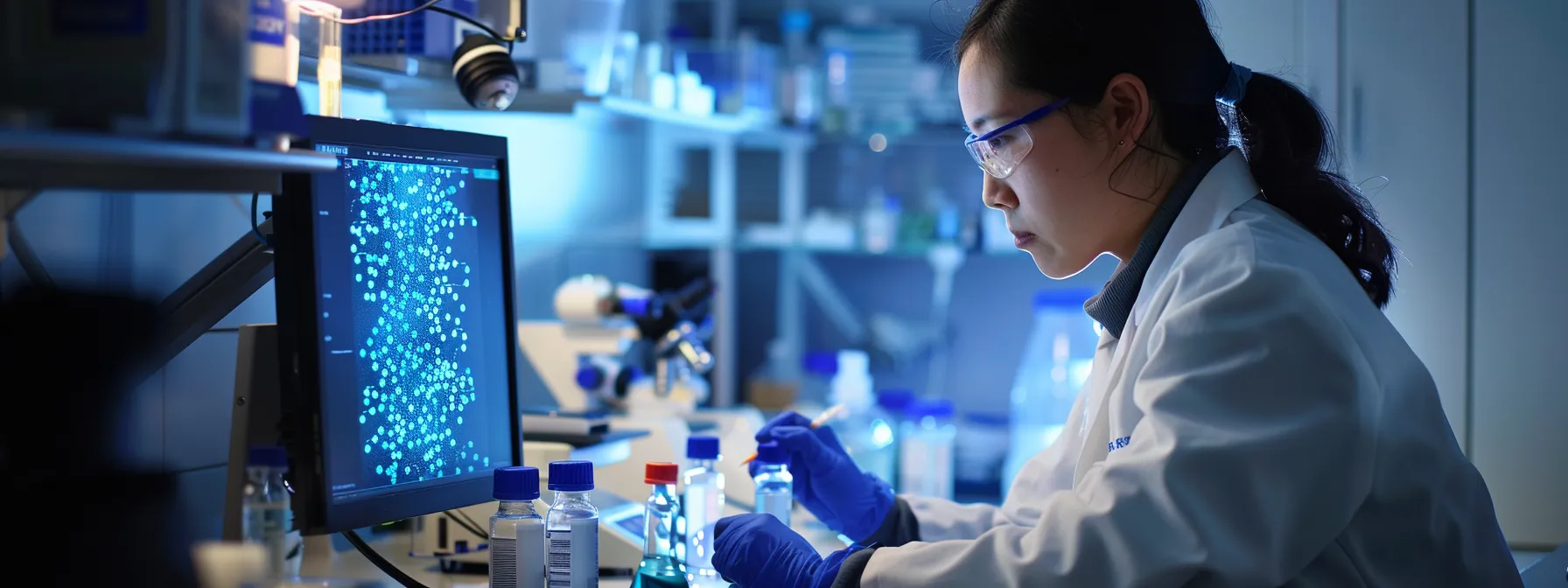
BPC-157, derived from a protein found in human gastric juice, exhibits a unique ability to promote tissue repair and regeneration. One key aspect of its mechanism involves the modulation of growth factors, which are crucial in wound healing and inflammation reduction. The peptide’s pharmacokinetics, or the body’s handling of the peptide, is characterized by its stability in the gastric environment, making it an attractive candidate for oral administration. Additionally, the potential of BPC-157 Research Peptide in enhancing angiogenesis—the formation of new blood vessels—which is vital for tissue repair. Practitioners eyeing BPC-157 for clinical use should consider its ability to influence the angiogenic process, as this can have implications in both short and long-term recovery scenarios.
Additionally, ongoing research is examining BPC-157’s interaction with the nitric oxide system, which plays a role in vascular function and blood pressure regulation. Understanding these interactions is crucial for practitioners who plan to integrate BPC-157 into therapeutic protocols, especially for patients with cardiovascular considerations.
Clinical Applications of BPC-157 in Healing and Recovery
The potential of BPC-157 in clinical settings is being actively evaluated through various Randomized Controlled Trials (RCTs) and systematic reviews. Its applications span across multiple therapeutic areas, including musculoskeletal injuries, gastrointestinal disorders, and even neurological conditions. The peptide’s ability to accelerate healing makes it a candidate for treating ligament and tendon injuries.
In gastroenterology, BPC-157 has shown promise in treating conditions such as inflammatory bowel disease (IBD). Its mechanism of action involves the stabilization of gut lining, reducing inflammation, and promoting mucosal healing. This application underscores the importance of Therapeutic Area Expertise when considering BPC-157 for gastrointestinal disorders.
Furthermore, BPC-157 is being investigated for its neuroprotective properties. By potentially supporting neuronal regeneration and reducing oxidative stress, it offers hope for conditions like traumatic brain injuries. Given these diverse applications, practitioners should remain informed about the latest findings to align with evidence-based practices.
Safety Profile and Side Effects of BPC-157
The safety of any investigational drug is paramount, and BPC-157 is no exception. Its safety profile is being rigorously assessed through Pharmacovigilance—the monitoring of drug safety post-approval. Currently, preliminary studies suggest a favorable safety profile with minimal adverse effects. However, as with all investigational agents, vigilance in Adverse Event Reporting is essential to ensure patient safety.
An Institutional Review Board (IRB) plays a crucial role in overseeing clinical trials involving BPC-157 to ensure ethical standards and participant safety. This oversight is vital in maintaining the integrity of research and protecting patient interests. Practitioners should be aware of any Protocol Deviations, which could indicate safety or efficacy concerns.
While the existing data is encouraging, practitioners are advised to consider individual patient factors and potential interactions with other medications. A thorough review of the Informed Consent Form (ICF) is necessary to ensure patients are fully aware of any potential risks and benefits associated with BPC-157 use.
Current Research Trends and Future Directions in BPC-157 Studies
Research on BPC-157 is rapidly evolving, with a focus on expanding its clinical applications and understanding its full therapeutic potential. Recent advancements in Biostatistical Analysis Plan (BAP) methodologies have enhanced the robustness of studies, providing more reliable data for practitioners.
One promising area of research is the integration of BPC-157 with other therapeutic agents to enhance efficacy. For instance, combining it with traditional anti-inflammatory medications could potentially reduce recovery times for patients with chronic inflammatory conditions. This synergy is a key focus for ongoing clinical trials.
Another trend involves the use of Clinical Data Management Systems (CDMS) to streamline data collection and analysis in BPC-157 research. Such systems ensure that data is collected consistently and accurately, facilitating Systematic Review and Meta-analysis of trial results. Practitioners should stay updated on these developments to leverage the most current evidence in their practice.
Conclusion

BPC-157 presents intriguing possibilities for enhancing healing and recovery in medical practice. Its mechanisms, clinical applications, and safety profile continue to be subjects of rigorous investigation. For practitioners, staying informed about the latest research and developments is crucial to effectively integrating BPC-157 into patient care. By doing so, they can better navigate its potential benefits and limitations, ensuring optimal outcomes for their patients.