

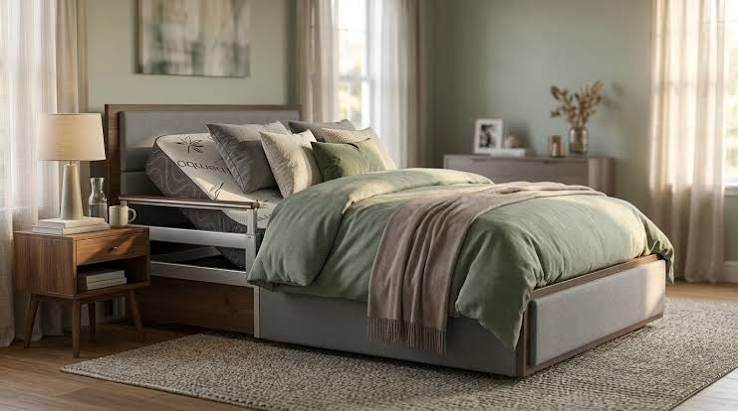
Most families don’t think about home medical equipment until a specific moment forces the question. A discharge from the hospital. A fall that changes someone’s mobility overnight. A slow decline that finally crosses a threshold where a standard bed is no longer safe or comfortable. At that point, the decision moves fast — and families often find themselves under-informed and under-resourced to make a good one.
Hospital beds for home use have become a meaningful part of post-acute care in the United States. As more people receive care outside of clinical settings — whether due to aging in place, chronic illness management, or cost-driven early discharge — the equipment in the home environment has to meet real functional needs. A standard mattress and bed frame cannot accommodate the repositioning, elevation, or safety requirements that many patients face.
This article is not about product comparisons or specifications. It is about the practical signs that indicate a hospital-style bed has moved from optional to necessary, and how American families are currently approaching the purchasing process.
What Makes a Hospital Bed Different From Standard Home Furniture
A hospital bed is not simply a medical version of a regular bed. It is a functional piece of equipment designed around the needs of someone who spends significant time in bed, has limited ability to reposition independently, or requires precise positioning for medical or comfort reasons. The adjustable head and foot sections, the height controls, the side rail options, and the compatibility with pressure-relieving mattresses all serve a specific clinical purpose — even in a home setting.
For families beginning to explore their options, the range of hospital beds for sale across the country has grown considerably in recent years. Platforms like hospital beds for sale offer an accessible starting point for understanding what models are available and what features are relevant to different care situations. The availability of both new and refurbished units through online channels has made procurement more direct, though it also places more responsibility on buyers to understand what they need before they purchase.
The distinction between a semi-electric and a fully electric bed, for example, has real implications for caregivers. A fully electric model allows both the patient and the caregiver to adjust position without manual effort, which reduces physical strain over time. A semi-electric model may reduce upfront cost but adds daily effort for anyone managing care independently. Understanding these differences requires context, not just a product description.
How Equipment Decisions Connect to Caregiver Safety
Caregiver injury is a documented and underreported issue in home care settings. When someone is caring for a family member who requires frequent repositioning, transfers, or wound care, the physical demands compound over time. A bed that cannot be raised or lowered to an appropriate working height forces the caregiver into repetitive awkward postures that lead to back strain and fatigue.
This is not a minor consideration. Many family caregivers are themselves older adults, and the cumulative physical cost of caring for someone in a standard bed can affect the sustainability of the entire care arrangement. Equipment that accounts for caregiver ergonomics directly supports the longevity and quality of home-based care.
The Seven Signs That Indicate a Hospital Bed Is Needed
These signs are not arbitrary. Each reflects a pattern seen in home care situations where the absence of appropriate equipment creates real risk — for the patient’s safety, the caregiver’s wellbeing, or the clinical outcomes of ongoing treatment.
1. Difficulty Getting In and Out of Bed Independently
When a person struggles to get out of bed without assistance — due to weakness, pain, post-surgical recovery, or balance problems — a standard bed height often makes the situation worse. A hospital bed can be adjusted to a height that allows feet to rest flat on the floor when sitting upright, making transfers safer and more independent. This one adjustment can reduce fall risk significantly.
2. Frequent Need for Positional Changes
Conditions such as congestive heart failure, chronic obstructive pulmonary disease, acid reflux, and post-surgical recovery all require the head of the bed to be elevated at specific times. Doing this with pillows is imprecise and unstable. A hospital bed allows consistent, repeatable positioning that is clinically appropriate and more comfortable for the patient over extended periods.
3. Pressure Injury Risk or Active Wounds
Patients who are immobile or have limited mobility are at risk for pressure injuries, which develop when sustained pressure cuts off blood flow to skin tissue. According to the Centers for Disease Control and Prevention, pressure injuries affect a significant portion of people receiving long-term care. Hospital beds support the use of specialized pressure-redistribution mattresses and allow for repositioning intervals that reduce this risk. A standard bed frame does not accommodate these mattress systems effectively.
4. Pain During Rest That Limits Sleep
Chronic pain conditions, including advanced arthritis, spinal stenosis, and cancer-related pain, often make lying flat uncomfortable or impossible for extended periods. The ability to adjust the angle of the head and legs independently allows patients to find positions that reduce pain without requiring the caregiver to physically prop or support them throughout the night. This matters for sleep quality and pain management consistency.
5. A Caregiver Providing Wound Care or Physical Treatments at Bedside
When wound care, physical therapy exercises, or other treatments are being delivered at home, the caregiver or clinician needs to access the patient from multiple sides at a workable height. A bed that cannot be raised leaves the provider bending over at floor level, which is impractical for anything requiring precision or sustained attention. Height-adjustable beds make these interactions safer and more effective.
6. Post-Hospitalization Discharge With Continued Medical Needs
Hospitals discharge patients earlier than they once did. Many people return home with IV lines, drainage tubes, wound care protocols, or oxygen equipment that requires ongoing management. When a person returns home in this condition, the home environment has to support a level of care that was previously available only in a clinical setting. A hospital bed is often one of the first pieces of equipment recommended during discharge planning for this reason.
7. A Diagnosis That Indicates Decline Over Time
For patients with progressive neurological conditions, advanced heart failure, or terminal illness receiving palliative care at home, the trajectory of need moves in one direction. Setting up appropriate equipment early — before a crisis point — allows the care environment to function well throughout the progression rather than forcing reactive decisions during difficult moments. A hospital bed acquired before the need becomes acute is easier to set up correctly and gives everyone involved time to adapt.
How American Families Are Currently Sourcing These Beds
The purchasing process for home medical equipment has shifted substantially over the past decade. Insurance coverage through Medicare and Medicaid does apply in some cases, but it comes with documentation requirements, physician orders, and limitations on the type of equipment covered. Many families find that the approval process is slow relative to the timeline they are managing, or that coverage applies to a more basic model than what is actually needed.
As a result, direct purchase — either new or refurbished — has become a practical route for many households. Online marketplaces and medical equipment retailers have made it possible to compare available models and place orders without going through a durable medical equipment supplier. The range of hospital beds for sale through direct channels now includes entry-level semi-electric beds, fully electric models with programmable positioning, and bariatric options designed for higher weight capacities.
What to Confirm Before Purchasing
Before placing an order, families should confirm a few practical things. First, doorway and room dimensions matter — hospital beds require adequate clearance for the frame and for caregiver movement on all accessible sides. Second, the mattress is often sold separately, and the quality of the mattress is as important as the bed frame for comfort and pressure management. Third, delivery and setup logistics vary by supplier, and some families will need assistance with assembly and placement.
It is also worth confirming whether the supplier offers any support after purchase — particularly for electric beds where component failure can disrupt care routines. This is one area where a more established supplier with accessible customer support has a clear operational advantage over a lower-cost option with no after-sale assistance.
The Role of Timing in Equipment Planning
One pattern that emerges consistently in home care situations is that equipment decisions made under pressure tend to be less effective than those made with adequate time for planning. A family that identifies the signs early — even if the need isn’t yet urgent — has more time to assess options, arrange insurance approvals if applicable, and set up the space appropriately.
Waiting until the moment of crisis compresses all of those steps into a short window when everyone involved is already managing significant emotional and logistical stress. The bed may arrive without a proper mattress. The room may not be configured correctly. The caregiver may not have time to learn the controls before needing to use them.
Hospital beds for sale are available at various price points and through multiple channels, which means that early planning rarely requires a large immediate commitment. It requires awareness of the signs and a willingness to act on them before circumstances become urgent.
Closing Thoughts
The decision to bring a hospital-style bed into the home is rarely one that families make eagerly. It marks a transition in someone’s care needs, and that carries emotional weight alongside the practical considerations. But when the signs are present — when mobility is compromised, when clinical care is being delivered at home, when caregiver safety is at risk — the equipment serves a real and measurable purpose.
The market for hospital beds for sale in the United States has matured enough that families have genuine options without being limited to whatever a single supplier or insurance plan makes available. Understanding what you need, recognizing the signs that indicate that need, and giving yourself adequate time to make the decision carefully are the most useful things a family can bring to this process.
The bed itself is not the solution to a difficult care situation. But it is often the foundation that makes everything else in that situation more manageable.
