

Introduction
Understanding the fertile window can help people plan natural conception with greater confidence. Ovulation does not always occur on the same cycle day, so combining cycle observations with ovulation tests may provide a more useful picture than relying on a calendar alone.
What Ovulation Means
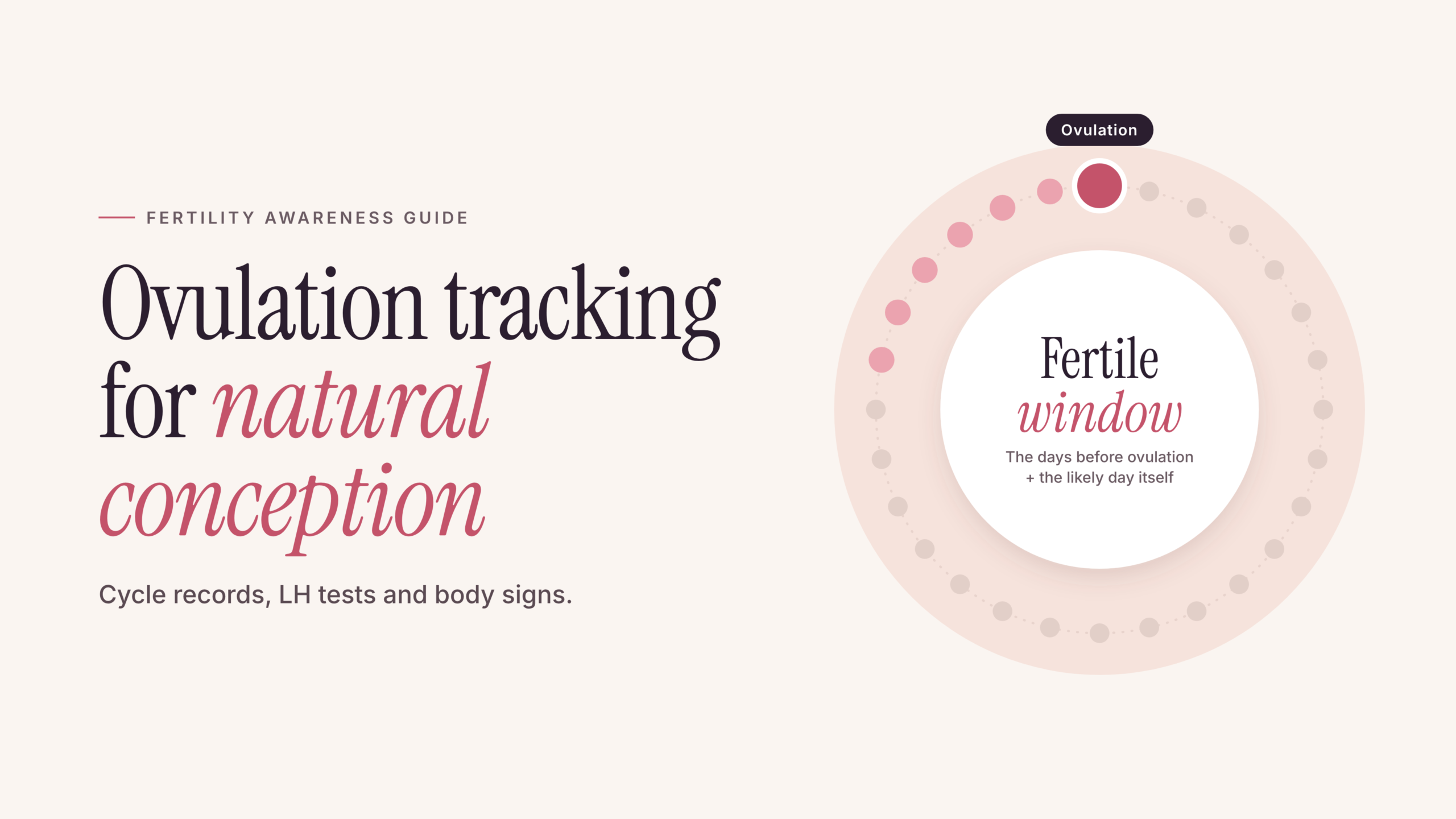
Ovulation is the release of an egg from an ovary. The egg remains viable for a limited time, while sperm may survive for several days in the reproductive tract. This is why the fertile window includes days before ovulation as well as the likely day of ovulation.
Track the Menstrual Cycle
Record the first day of each period, the approximate cycle length, and any unusual changes. After several cycles, the pattern may become easier to understand, although stress, illness, travel, medications, and other factors can affect timing. Calendar estimates are useful as a starting point but are not a guarantee.
Use Ovulation Predictor Tests
Urine ovulation tests detect a rise in luteinizing hormone that often occurs before ovulation. Follow the product instructions carefully and test at a consistent time when recommended. A positive result suggests that ovulation may be approaching, but it does not confirm that ovulation has definitely occurred.
Observe Cervical Mucus Changes
Cervical mucus often becomes clearer, wetter, and more slippery as ovulation approaches. Some people compare the texture to raw egg white. Tracking this sign alongside cycle dates and test results can help identify personal patterns, but unusual discharge, odor, itching, or pain should be discussed with a healthcare professional.
Timing Natural Conception Attempts
Many couples choose to have intercourse regularly during the fertile window rather than trying to identify one exact hour. The most appropriate timing can depend on cycle patterns, preferences, and medical circumstances. People considering an at-home insemination kit should follow the product instructions and understand that timing is only one factor in conception.
Healthy Habits and Medical Guidance
Balanced nutrition, adequate sleep, moderate activity, and avoiding tobacco can support general health. Prenatal vitamins containing folic acid are commonly discussed before pregnancy, but personal medical advice is important. Seek professional guidance for irregular cycles, severe pain, repeated pregnancy loss, or difficulty conceiving.
Conclusion
Ovulation tracking works best as a process rather than a single prediction. Combining cycle records, physical signs, and properly used tests can make the fertile window easier to recognize. People can also review conception and insemination information while deciding which approach fits their circumstances.
