

Walls need a smooth, durable surface before decorative paint is applied. Putty helps fill minor surface irregularities, improve smoothness, and create a suitable base for finishing coats. Choosing the right putty for walls depends on the surface, location, moisture exposure, desired finish, and project requirements.
Construction products are available in several formulations and performance levels, making it important to understand how they differ. From standard white cement-based options to specialised waterproof and ultra-smooth formulations, each type can serve a particular purpose in residential, commercial, and industrial construction.
Why Is Surface Putty Used in Construction?
The finishing compound is applied as a surface preparation layer over suitable plastered or concrete surfaces. It helps create a more even base before primer and paint application. A suitable formulation can improve adhesion, smoothness, surface strength, and the appearance of the final paint finish.
Quality also matters during selection. Factors such as adhesion, moisture resistance, coverage, workability, certification, shelf life, and intended application can influence performance. Using an appropriate product can support consistent finishing while reducing problems such as flaking, uneven texture, or premature surface deterioration.
1. Premium Surface Putty
Premium formulations are designed for dependable surface preparation and finishing. They generally focus on strong adhesion, smooth application, crack resistance, and durability. This category can be suitable for projects where contractors need a balanced combination of surface preparation and finishing performance.
Premium options may be used across different residential and commercial requirements, depending on the product specifications and recommended application. Their purpose is to create a consistent surface that can receive subsequent decorative coatings effectively.
2. Superior Surface Putty
Superior formulations can provide enhanced performance compared with standard surface preparation products. A white cement based composition with advanced polymers can support bonding strength, coverage, and durability. Such products can be suitable for interior and exterior walls when their technical specifications match the application.
The main advantage of this category is its combination of workability and surface performance. Contractors can use it where an even base and dependable adhesion are important for achieving a uniform painted appearance.
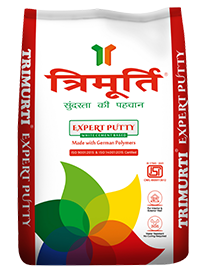
3. Expert Surface Putty
Expert-grade wall putty products are developed for applications requiring refined finishing and stronger performance. Polymer-based formulations can offer improved smoothness, moisture resistance, and bonding. These characteristics make them useful for high-end interior and exterior applications where surface appearance and durability are key considerations.
This type may be selected when the project requires more than basic leveling. The formulation should still be chosen according to the substrate, environmental conditions, and manufacturer recommendations.
4. Silk Surface Putty
Silk formulations focus strongly on achieving an ultra-smooth and uniform surface. Their refined texture can improve workability during application and help enhance the brightness and appearance of decorative paint.
This category is useful when visual finishing is a major project requirement. Residential interiors, commercial spaces, and other areas where a refined painted surface is desired may benefit from a formulation designed specifically for smoothness and uniformity.
5. Waterproof Surface Putty
Moisture can affect painted surfaces, particularly on exterior walls and areas exposed to humidity. Waterproof formulations are designed to provide greater resistance against moisture-related damage. They can help reduce issues such as dampness, flaking, and deterioration while creating a smooth base for paint.
For outdoor applications, selecting a waterproof formulation is especially important because walls may experience rain, humidity, and changing environmental conditions. However, waterproof putty should not be treated as a substitute for proper structural waterproofing where water infiltration originates from construction defects or other sources.
6. Putty Tonic
A tonic is different from conventional putty because it is used as an additive rather than simply as a standalone surface coating. An emulsion-based tonic can be added to putty powder during mixing to improve characteristics such as crack resistance, bonding, and durability.
This type of solution may also work with waterproof formulations. Its role is to enhance the performance of the prepared mixture, making it relevant where contractors want additional support for surface durability.
How to Choose the Right Type?
Choosing the correct product starts with understanding the application and surface. Interior walls may need a smooth formulation for better finishing, while exterior walls require stronger resistance to moisture and environmental exposure. Contractors should consider adhesion, coverage, workability, durability, certifications, shelf life, and recommended usage before selecting a product. Price alone should not determine the choice.
Proper application is equally important. The surface should be clean and dust-free, with dampening where recommended. Mix the powder with clean water until a smooth, lump-free paste forms. Prepare only the required quantity and follow the manufacturer’s recommended working and drying time.
What Benefits Does Quality Putty Provide?
A quality product can create a smoother, more uniform surface while supporting stronger paint adhesion and improved durability. Depending on its formulation, it may offer resistance to cracking, flaking, moisture, and environmental stress. Better workability helps contractors achieve consistent leveling and minimise material waste.
Certification and controlled manufacturing can also support reliable quality across construction projects. Before application, the selected formulation should be checked according to the manufacturer’s surface requirements, coverage guidance, and recommended usage. Proper preparation, accurate mixing, suitable tools, and adequate drying time can further improve application results, helping the final coating achieve a clean, durable, and attractive finish.
Final Thoughts
Different formulations serve different construction needs, so selecting the right putty for walls should be based on application, surface type, environmental exposure, finish expectations, and product specifications. Premium, superior, expert, silk, waterproof, and additive-based options each address particular requirements. Careful selection, correct surface preparation, proper mixing, and suitable application practices can help create a durable base for attractive and lasting paint finishes.
For reliable construction finishing, quality products can make a difference. Trimurti offers a comprehensive range of wall finishing solutions, including Premium, Superior, Expert, Silk, and Waterproof Putty, along with Wall Putty Tonic. Trimurti company products are developed for smooth finishes, strong adhesion, moisture resistance, durability, and reliable surface preparation. With certified manufacturing standards and options for residential, commercial, and industrial applications, Trimurti supports contractors, builders, dealers, and construction projects with dependable wall care solutions for diverse construction requirements nationwide.
