

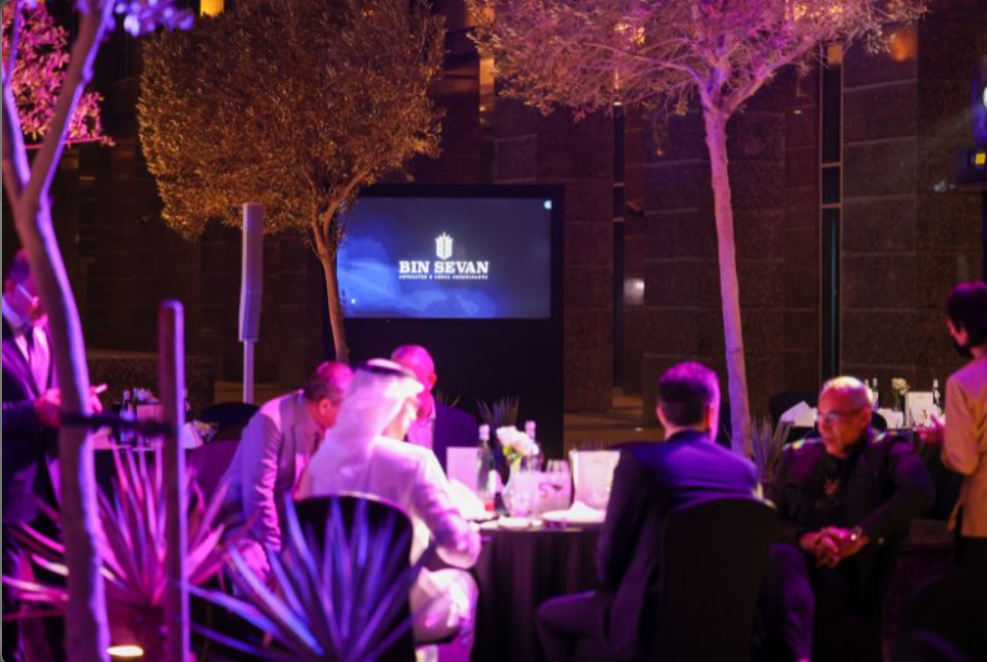
Businesses increasingly view corporate events as opportunities to strengthen relationships, communicate their identity, introduce products, recognise achievements, and create meaningful experiences for employees, clients, and partners. Corporate event management Dubai has evolved far beyond arranging venues, schedules, catering, and guest lists. This has made event planning a strategic function that connects business objectives with creative experiences.
Across Saudi Arabia, corporate gatherings are becoming more sophisticated as organisations look for formats that reflect their brands and engage audiences in memorable ways. Conferences, product launches, award ceremonies, employee events, networking functions, and corporate celebrations can now incorporate technology, immersive environments, entertainment, and carefully planned audience journeys.
From Formal Functions to Brand Experiences
Traditional corporate events often followed predictable structures, with presentations, speeches, networking sessions, and formal dinners forming the core of the programme. While these elements remain relevant, organisations are increasingly looking for ways to make the overall experience more distinctive.
A corporate event can now become an extension of the company’s brand identity. Venue design, stage production, lighting, audiovisual elements, entertainment, guest interaction, and branded installations can work together to communicate a particular message. This approach allows businesses to create an environment that feels connected to their purpose rather than simply hosting another formal gathering.
Why Audience Expectations Are Changing
People attend numerous professional events throughout their careers, which means conventional formats may not always create a lasting impression. Attendees increasingly notice the quality of the venue, registration process, networking opportunities, content delivery, entertainment, and overall atmosphere.
This shift has encouraged organisers to think about the complete attendee journey. What guests see when they arrive, how easily they navigate the venue, where they interact with others, and how the programme develops throughout the day can all influence their experience.
The Role of Technology in Corporate Events
Technology has become an important part of contemporary event production. Digital registration, interactive screens, presentation systems, LED displays, projection effects, event applications, audience engagement tools, and immersive installations can transform the way information is delivered.
However, technology works best when it has a clear purpose. A sophisticated display may attract attention, but its real value comes from how effectively it supports the event’s message or audience experience. The combination of creative design and reliable technical execution is therefore essential.
Creating Better Networking Opportunities
Networking remains one of the primary reasons people attend corporate events, but simply providing a room and refreshments does not guarantee meaningful interaction. Event design can influence how easily guests connect with one another.
Dedicated networking zones, interactive activities, curated seating arrangements, informal lounges, structured introductions, and carefully timed breaks can encourage conversations. The physical layout of the venue can also make a difference by creating spaces where attendees feel comfortable moving between formal sessions and informal interactions.
Corporate Events as Internal Communication Platforms
Corporate events are not only designed for external audiences. Companies also use them to communicate with employees, celebrate achievements, introduce organisational changes, and strengthen workplace culture.
Annual gatherings, recognition ceremonies, leadership meetings, team-building events, and employee celebrations can provide opportunities for businesses to reinforce shared values. When these events are thoughtfully designed, they can create a stronger connection between employees and the organisation beyond everyday workplace communication.
Product Launches Need More Than a Presentation
Product launches are another area where corporate events have become increasingly experiential. Instead of simply presenting a product on stage, companies can create environments where guests interact with the product and understand its features through demonstrations, displays, technology, and guided experiences.
The venue itself can become part of the launch narrative. Lighting, music, visuals, demonstrations, and branded spaces can be coordinated to build anticipation and create a consistent story around the product. This can make the launch feel like an experience rather than a conventional presentation.
The Growing Importance of Event Production
Creative ideas need strong production support to become successful events. Corporate gatherings can involve stages, lighting, sound, screens, temporary structures, entertainment, furniture, branding, catering, security, transportation, and multiple suppliers.
Coordinating these components requires detailed scheduling and communication. Production teams need to work closely with venues, vendors, creative teams, speakers, performers, and organisers to ensure that every part of the event operates according to plan.
This is a major reason why professional corporate event management involves much more than event-day coordination.
Choosing the Right Venue
Venue selection can influence almost every aspect of a corporate event. Capacity, location, accessibility, technical infrastructure, branding opportunities, catering capabilities, parking, accommodation, and available event spaces all need to be considered.
The venue should also support the desired atmosphere. A formal conference may require a different environment from a product launch or employee celebration. Matching the physical space with the purpose of the event can help create a more coherent experience.
Entertainment Can Strengthen the Atmosphere
Entertainment can play different roles depending on the type of corporate gathering. Live music, DJs, cultural performances, interactive acts, guest speakers, and customised performances can be incorporated into programmes to create energy or provide transitions between formal sessions.
The most suitable entertainment should complement the audience and event objectives rather than distract from them. Timing is also important, as performances need to fit naturally into the wider programme and production schedule.
Sustainability and Responsible Event Planning
Sustainability is increasingly being considered when businesses plan large events. Temporary construction, printed materials, transportation, catering, energy use, and disposable products can all contribute to an event’s environmental footprint.
Organisers can explore reusable structures, digital invitations, responsible material choices, efficient transportation planning, waste management, and other practical measures. Sustainable decisions can be integrated into event design while maintaining a professional and high-quality guest experience.
The Value of Detailed Planning
Behind a successful corporate event is a considerable amount of preparation. Guest management, schedules, technical rehearsals, supplier coordination, venue operations, stage management, contingency planning, and communication all need to be addressed before the event begins.
Strong planning also allows teams to respond more effectively when unexpected situations occur. Weather changes, technical issues, speaker delays, guest requirements, or last-minute programme adjustments can all affect an event. A detailed operational plan provides a framework for handling these situations without losing sight of the overall experience.
How Corporate Events May Continue to Evolve
As businesses continue to place greater emphasis on engagement and brand experience, corporate events are likely to become increasingly creative and personalised. Organisations may combine physical and digital experiences, use more interactive technologies, and design events around specific audience journeys.
For corporate event management, this means balancing several disciplines at once. Creative concepts need to support business objectives, technology needs to enhance engagement, and production needs to ensure reliable execution. The strongest event strategies bring these elements together rather than treating them as separate services.
Conclusion
Corporate events in Saudi Arabia are becoming more than scheduled business gatherings. They are increasingly being used as platforms for communication, networking, brand storytelling, employee engagement, product experiences, and relationship building. As audience expectations continue to change, companies have greater opportunities to create events that feel relevant, purposeful, and memorable.
Markable International provides event planning and production services designed to bring creative concepts and practical execution together. For organisations exploring corporate event management solutions, its capabilities span event strategy, production, technology, entertainment, and on-ground coordination to support a wide range of corporate experiences.
