

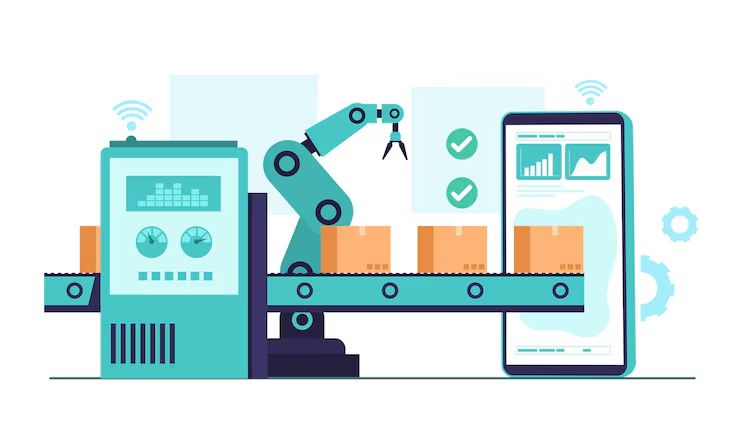
Manufacturing plants don’t run on equipment alone. They run on systems that talk to each other, share data, and respond to changes in real time. When those systems break down or fail to communicate properly, production stops. Money gets lost. Deadlines get missed.
This is where a Rockwell automation integrator steps in. These specialists bridge the gap between hardware and software, making sure your control systems work together instead of against each other. But what exactly do they do? Let’s break it down.
The Core Role of an Integrator
Think of an integrator as a translator. Your facility probably has programmable logic controllers, human-machine interfaces, motor drives, and sensors from different eras. Maybe some equipment is decades old. Other parts are brand new.
Getting these pieces to work together isn’t simple. An integrator designs, programs, and tests the connections between your devices. They write the logic that tells your machines when to start, stop, or adjust based on what’s happening on the production line.
But it goes beyond programming. They also troubleshoot problems when systems fail. They upgrade outdated setups. They train your team to use new interfaces.
Why Facilities Hire Integrators
You might wonder why companies don’t just handle this in-house. Some do. But most don’t have the time or expertise to manage complex control system projects while keeping production running.
Integrators bring specialized knowledge. They’ve worked across different industries. They know which solutions work and which ones create more problems down the road. They understand SCADA systems and how to configure them for specific applications.
Here’s another thing. Most facilities can’t afford to shut down for weeks while someone figures out how to connect a new piece of equipment. Integrators work fast because they’ve done it before. They know the shortcuts. They anticipate the issues before they happen.
What Happens During a Typical Project
Every project starts with an assessment. The integrator walks through your facility, asks relevant questions, and reviews your current setup. What are your pain points? Where do bottlenecks happen? What equipment needs replacing?
From there, they create a plan. This includes system architecture, programming requirements, and a timeline. They source the right components and start building the solution, often testing everything off-site before installing it at your facility.
Installation comes next. This is where downtime gets minimized. Good integrators schedule installations during maintenance windows or slow production periods. They work quickly and methodically, connecting devices and running tests to catch problems early.
Once the system is live, they don’t just disappear. They monitor performance, make adjustments, and provide training so your team can handle day-to-day operations.
The Technical Skills That Matter
Programming is a big part of the job. Integrators write ladder logic, structured text, and function block diagrams. They configure communication protocols like Ethernet/IP and DeviceNet. They set up data collection systems that feed information back to plant managers.
But technical skills alone aren’t enough. An integrator also needs to understand your production process. They need to know how changes in one part of the system affect everything else. This requires both engineering knowledge and practical experience.
Troubleshooting is another critical skill. When something goes wrong at 2 AM, you need someone who can diagnose the problem quickly. Is it a hardware failure? A programming error? A network issue? Integrators know how to isolate problems and fix them before they escalate.
The Real Benefits for Your Operation
Let’s talk about what this means for your bottom line. When systems work together smoothly, production speeds up. Downtime drops. Your team spends less time fighting with equipment and more time running it.
Quality improves too. Automated systems follow the same process every time. There’s no guessing. No variation. Defects go down because the system catches problems before they turn into scrap.
Then there’s data. Modern industrial control systems generate massive amounts of information. An integrator sets up data collection so you can see what’s happening in real time. You can track performance, identify trends, and make decisions based on facts instead of hunches.
Safety gets better as well. Properly configured systems include safeguards that protect workers from dangerous situations. Emergency stops work correctly. Sensors detect hazards before they cause injuries.
Common Challenges Integrators Solve
Legacy equipment creates headaches for a lot of facilities. You might have machines from the 1980s that still work perfectly, but can’t communicate with newer systems. An integrator finds ways to connect old and new machines without replacing everything.
Network issues are another common problem. Maybe your control network is slow or unreliable. Integrators redesign networks to handle more traffic and improve response times.
Compliance is a big deal too. Regulations change. Standards get updated. An integrator makes sure your systems meet current requirements, whether that’s safety codes or environmental regulations.
How to Work with an Integrator
Start by being clear about your goals. What problems are you trying to solve? What results do you need? The more specific you are, the better the integrator can tailor the solution.
Be ready to share information about your current setup. Drawings, manuals, and documentation help the integrator understand what they’re working with. If you don’t have good documentation, say so. They can create it as part of the project.
Ask questions. A good integrator explains things in plain language. If something doesn’t make sense, push back. This is your facility. You need to understand what’s being proposed.
What to Expect After the Project
The relationship doesn’t end when the system goes live. Most integrators offer ongoing support. They can handle software updates, add new features, or help when problems come up.
Training is part of this too. Your maintenance team needs to know how to keep the system running. Your operators need to understand the new interfaces. Good integrators provide documentation and hands-on training to get everyone up to speed.
A Rockwell automation integrator does more than connect wires and write code. They solve the problems that keep production managers up at night. They turn disconnected equipment into coordinated systems. They help facilities run faster, safer, and more reliably.
If your plant struggles with outdated controls, communication problems, or frequent downtime, an integrator might be the solution you need. The right specialist brings both technical expertise and practical experience to get your systems working the way they should.
