

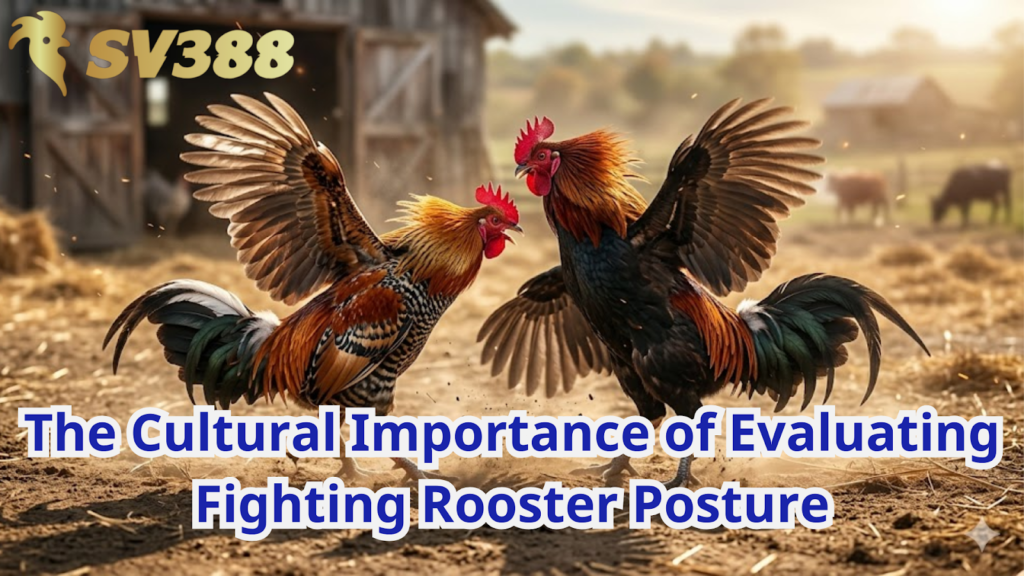
In the passionate world of competitive rooster training and traditional cockfighting culture, owning a powerful and resilient fighting rooster has long been a source of pride. Beyond breeding lineage and daily care routines, experienced enthusiasts often emphasize the importance of posture and physical structure as key indicators of a rooster’s true potential. These subtle but meaningful characteristics can reveal strength, stamina, temperament, and even tactical ability.
Today, as technology continues to transform entertainment and community interaction, traditional knowledge is being applied in new contexts. Platforms related to sv388 Cockfighting have helped bring long-standing evaluation techniques into a modern online viewing environment. This shift enables enthusiasts to observe matches remotely while still relying on observational skills developed through years of experience.
This article explores the importance of posture evaluation in fighting roosters, outlines essential physical traits to observe, and explains how modern online arenas such as sv388 provide opportunities for enthusiasts to engage with this cultural tradition in a structured and convenient way.
The Cultural Importance of Evaluating Fighting Rooster Posture
Cockfighting traditions have existed for centuries in various regions, often associated with rural life, ceremonial events, and competitive sport. Over time, practitioners have developed detailed methods to assess a rooster’s readiness for competition. These methods combine practical observation with inherited wisdom passed down through generations.
Understanding the Principle of “Lineage and Form”
Traditional trainers often emphasize that a rooster’s fighting ability is influenced by both inherited traits and visible physical form. While pedigree may suggest potential, posture and structural balance offer immediate insight into strength and adaptability. Observing these characteristics allows trainers to anticipate performance in a competitive environment.
Why Posture Matters
A rooster with a stable stance and balanced physique is typically seen as better prepared for physical challenges. Posture reflects musculoskeletal strength, coordination, and confidence. When evaluating posture, experienced observers look for signs such as:
- A firm, upright stance that demonstrates strong skeletal support
- Proportional body composition indicating endurance and agility
- Energetic movement patterns suggesting alertness and responsiveness
These elements collectively contribute to overall performance potential. For many enthusiasts, mastering posture evaluation is considered a foundational skill that improves decision-making and deepens appreciation for the discipline.
Key Physical Characteristics to Observe

To gain a comprehensive understanding of a fighting rooster’s posture, observers must look beyond general appearance and examine specific structural details. Each body part contributes to mobility, defensive capability, and strategic movement during competition.
Head, Beak, and Eyes – Indicators of Awareness and Determination
The head structure is often the first aspect trainers evaluate. A compact, well-proportioned head suggests coordination and mental sharpness. The beak should appear sturdy and aligned, as this contributes to precision in pecking and defensive interactions.
Eye expression is equally significant. Bright, focused eyes may indicate attentiveness and confidence. Observers frequently note how a rooster reacts to environmental stimuli, as this responsiveness can reflect temperament and readiness.
Neck and Shoulders – Supporting Strength and Impact
A moderately long, muscular neck provides leverage for controlled movement and effective balance. When combined with broad shoulders, this structure supports dynamic motion and stability during rapid changes in direction.
Strong shoulder development also contributes to wing power, which is essential for maintaining control in competitive encounters. Trainers often interpret these features as signs of physical preparedness and resilience.
Back, Ribcage, and Abdomen – Foundations of Endurance
The back serves as the central support structure for the rooster’s body. A straight, wide back suggests durability and balanced weight distribution. The ribcage should appear deep and symmetrical, indicating sufficient respiratory capacity for sustained activity.
A firm and compact abdomen is also considered desirable. Excess weight or loose structure may hinder movement and reduce stamina. Observing these aspects helps enthusiasts evaluate a rooster’s ability to maintain performance over time.
Tail and Balance – Guiding Direction and Coordination
The tail plays a crucial role in maintaining equilibrium. Long, well-arranged feathers can assist with directional control and agile movement. Trainers often compare tail structure to a steering mechanism that allows the rooster to adjust posture during motion.
A balanced tail alignment also contributes to visual symmetry, reinforcing the impression of overall physical harmony.
Legs and Spurs – Essential Tools for Competitive Movement
Leg strength is widely regarded as one of the most important factors in posture evaluation. Muscular thighs and well-defined joints enable swift movement and controlled positioning. Observers frequently assess leg alignment and scale patterns to identify structural integrity.
Spur placement and development may also influence performance dynamics. While techniques and interpretations vary, experienced enthusiasts consider leg structure a decisive element in predicting competitive outcomes.
Applying Traditional Knowledge in the Modern SV388 Cockfighting Environment
As online broadcasting technologies continue to evolve, enthusiasts can now apply observational skills within digital viewing spaces. Platforms connected to Đá gà SV388 have created structured environments where viewers can watch matches in real time while analyzing posture and movement from multiple camera angles.
The Role of High-Quality Live Streaming
Modern streaming systems provide clear visual detail, enabling viewers to observe subtle physical cues that were once only accessible in person. Close-up shots allow enthusiasts to examine stance, eye focus, and movement patterns before and during competition.
This technological enhancement has made traditional evaluation techniques more accessible to a broader audience.
Transparency and Structured Viewing Experience
Online cockfighting arenas emphasize organized match schedules and consistent presentation formats. Such structure supports informed observation and encourages responsible engagement with the cultural aspects of the activity.
For many viewers, the combination of traditional knowledge and modern convenience offers a new way to connect with longstanding practices.
Community Interaction and Knowledge Sharing
Digital platforms also facilitate communication among enthusiasts. Viewers can exchange insights, discuss posture characteristics, and learn from experienced commentators. This collaborative environment contributes to the preservation and evolution of observational techniques.
Strategies for Observing Matches in Online Cockfighting Platforms

When watching matches through modern systems, viewers often follow a structured observation process. This approach helps them apply traditional posture evaluation methods effectively.
Observing Overall Structure
Before focusing on specific details, observers typically assess the rooster’s general balance and movement rhythm. A confident stance and coordinated steps can indicate physical readiness.
Analyzing Behavioral Signals
Behavioral cues such as responsiveness, alertness, and interaction with handlers may provide additional context. These subtle signals complement structural assessment and enhance understanding of competitive dynamics.
Integrating Commentary and Statistical Context
Professional commentary and match history information can support observational analysis. By combining visual assessment with contextual knowledge, viewers develop a more comprehensive perspective.
Conclusion
Evaluating fighting rooster posture is both an art and a discipline rooted in tradition. Through careful observation of structure, movement, and behavioral cues, enthusiasts gain deeper insight into performance potential and competitive readiness.
In today’s digital era, platforms associated with Đá gà SV388 provide opportunities to apply these timeless techniques in new environments. By merging cultural heritage with technological innovation, they create accessible spaces for learning, observation, and community engagement.
For those who wish to explore this field further, continuous practice and thoughtful observation remain essential. By refining analytical skills and approaching the subject with respect for tradition, enthusiasts can enrich their understanding and experience the dynamic world of cockfighting culture in a modern context.
