

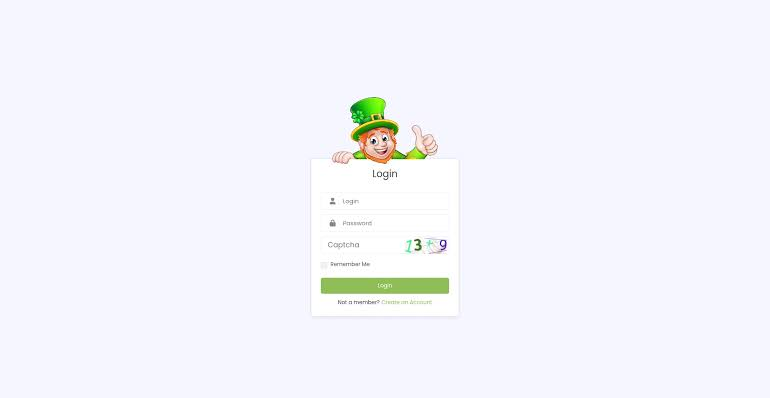
The rapid growth of digital financial services has transformed how people access, manage, and use credit cards. Online banking stash patrick , mobile wallets, virtual cards, contactless payments, and automated fraud detection have made financial transactions faster and more convenient. At the same time, the digitalization of payments has created new opportunities for cybercriminals to target sensitive financial information.
StashPatrick and the domain name stashpatrick.cc may appear in online discussions related to underground payment-card activity. stashpatrick.cc Such references should be approached carefully because underground card markets are fundamentally different from legitimate digital credit-card platforms. Rather than providing authorized financial services, illicit marketplaces may be associated with compromised payment information and other forms of financial cybercrime.
Understanding this distinction is important for consumers, businesses, and cybersecurity professionals. It also provides valuable insight into the security challenges facing the future of digital finance.
What Are Digital Credit Card Platforms?
A legitimate digital credit-card platform allows customers to manage financial accounts through authorized websites or applications. Depending on the provider, users may be able to apply for a credit card, review transactions, make payments, manage spending limits, receive alerts, or generate virtual card credentials.
Modern platforms increasingly combine financial services with advanced security features. Multi-factor authentication, biometric verification, transaction monitoring, encryption, and tokenization are commonly used to reduce unauthorized access and fraudulent transactions.
These legitimate services operate within financial and consumer-protection frameworks. Customers generally know which institution provides their account and can access official support channels when problems occur.
Underground card marketplaces operate outside this model.
Understanding StashPatrick in Context
The name StashPatrick can appear in discussions concerning underground payment-card markets. In this context, it is important not to confuse references to such services with legitimate credit-card providers.
Underground markets may be associated with the unauthorized distribution or exchange of payment-card information obtained through cybercrime. Data can potentially originate from phishing attacks, malware, compromised websites, data breaches, or stolen credentials.
The apparent organization of an underground marketplace can make it resemble an ordinary online service. However, the underlying activity may involve information belonging to individuals who never authorized its collection or use.
This distinction is essential when discussing domains such as stashpatrick.cc. A website’s appearance, branding, or claims should not automatically be interpreted as evidence that it is a legitimate financial institution.
How Payment Information Becomes Compromised
Payment-card information can be exposed through numerous attack methods.
Phishing is one of the most common techniques. Attackers may create convincing messages that imitate banks, payment companies, retailers, or other trusted organizations. Victims may be directed toward fraudulent pages designed to collect credentials or payment information.
Malware is another threat. Certain malicious programs can steal information from infected devices, browsers, or applications.
Businesses can also experience data breaches. Weak passwords, outdated software, insecure databases, vulnerable applications, or compromised third-party services can expose sensitive information.
Social engineering presents an additional challenge. Attackers may manipulate employees or customers into providing information that should remain confidential.
These different attack methods demonstrate why protecting payment information requires multiple layers of security.
Why Underground Card Markets Are Dangerous
The existence of underground card marketplaces creates risks for multiple groups.
Consumers may experience unauthorized transactions, identity theft, account takeover attempts, and targeted phishing campaigns.
Businesses may face financial losses, reputational damage, regulatory consequences, and expensive incident-response activities if customer data is compromised.
Financial institutions must also invest significant resources in fraud detection, transaction monitoring, investigations, and customer protection.
Another problem is that stolen information can continue circulating after the original security incident has been resolved. Fixing the vulnerability that caused a breach is necessary, but organizations may also need to determine what information was exposed and monitor for subsequent misuse.
The Role of Virtual Cards
Virtual cards represent one of the more promising developments in legitimate digital payment services.
Instead of requiring consumers to expose their primary card number during every online purchase, virtual-card systems can provide alternative credentials. Some services may allow customers to create separate numbers or temporary credentials for specific transactions.
This can reduce the exposure of the primary account information.
However, virtual cards are not a complete security solution. Users still need to protect their accounts, avoid phishing attacks, use strong authentication, and monitor transactions.
The effectiveness of digital payment technology depends on the entire security ecosystem surrounding it.
Tokenization and Modern Payment Security
Tokenization is another major development in payment security. Rather than repeatedly transmitting the actual card number, payment systems can use a substitute token.
A token can sometimes be restricted to particular transactions, devices, or merchants. This can reduce the usefulness of compromised information.
Tokenization reflects an important cybersecurity principle: sensitive information should be exposed as little as possible.
The fewer systems that directly handle actual payment credentials, the fewer opportunities attackers have to steal them.
Artificial Intelligence and Fraud Detection
Artificial intelligence is increasingly being used to detect suspicious financial activity.
Financial institutions can analyze transaction patterns and identify behavior that differs from normal account activity. For example, an unexpected location, unusual purchase pattern, or rapid series of transactions may trigger additional verification.
Machine-learning systems can analyze enormous quantities of transaction information much faster than traditional manual processes.
However, AI also introduces new challenges. Criminals may use automation to create more convincing phishing messages, impersonation attempts, and fraudulent communications.
The future of payment security will therefore involve an ongoing technological competition between attackers and defenders.
How Consumers Can Stay Protected
Consumers can take several practical steps to protect their financial information.
First, financial accounts should use strong, unique passwords. Password reuse increases the potential impact of a compromised account.
Second, multi-factor authentication should be enabled whenever available. An additional verification method can make unauthorized account access significantly more difficult.
Third, consumers should be cautious about unexpected requests for payment information, passwords, verification codes, or account details.
Financial accounts should also be monitored regularly. Transaction notifications can help customers identify suspicious activity quickly.
Most importantly, consumers should obtain credit-card services directly from recognized financial institutions or authorized providers rather than relying on suspicious websites or underground marketplaces.
Lessons for Businesses
Businesses also have an important role in protecting payment information.
Organizations should use strong access controls and ensure employees only receive access to information required for their responsibilities. Sensitive data should be encrypted appropriately, while networks and systems should be monitored for unusual activity.
Regular vulnerability assessments can help identify weaknesses before criminals exploit them.
Businesses should also evaluate their third-party suppliers. Payment processors, software providers, cloud services, and other vendors can introduce security risks if their systems are compromised.
An effective security program should therefore cover the entire technology and supply-chain environment.
The Future of Digital Credit Card Platforms
Legitimate digital credit-card services will likely become increasingly sophisticated. Virtual cards, tokenization, biometric authentication, passkeys, artificial intelligence, and real-time fraud monitoring are expected to play increasingly important roles.
The long-term goal is to make financial transactions both convenient and secure.
Consumers may increasingly interact with digital identities and secure payment tokens rather than traditional card numbers. At the same time, financial institutions will need to continue improving privacy controls and fraud-prevention technologies.
Regulation and industry standards will also remain important as payment systems become more interconnected.
Conclusion
StashPatrick and references to stashpatrick.cc should be understood within the broader discussion of underground payment-card activity rather than as examples of legitimate digital credit-card platforms. Illicit marketplaces can expose consumers and businesses to serious financial and cybersecurity risks.
The more valuable lesson is what these markets reveal about the importance of payment security. Strong authentication, tokenization, virtual cards, transaction monitoring, encryption, consumer awareness, and effective incident response can all help reduce the risks associated with compromised financial information.
The future of digital credit-card services will depend on balancing convenience with security. As financial technology continues to evolve, legitimate providers must remain focused on protecting customer information, detecting fraud quickly, and maintaining trust.
For consumers, the safest approach is straightforward: use authorized financial institutions, protect account credentials, enable strong authentication, monitor transactions, and remain skeptical of services that promise unusual or unauthorized access to credit-card information.
