

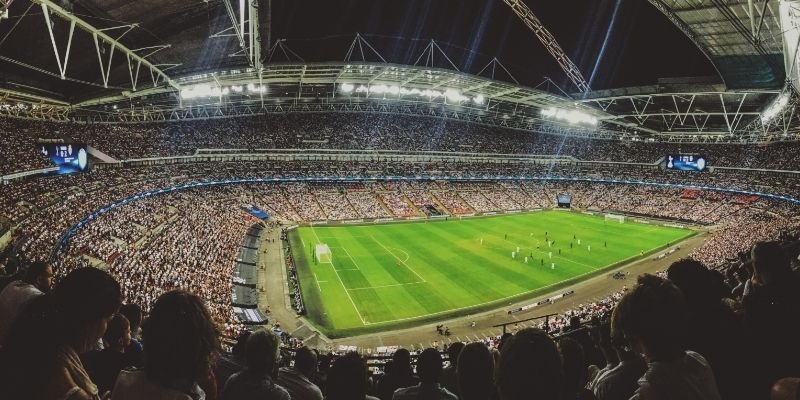
Football is often called the world’s game because no other sport connects people across countries and cultures the way it does. Every four years, the FIFA World Cup becomes the center of global attention, bringing billions of fans together to celebrate the excitement, drama, and passion of football. From unforgettable goals to emotional victories, the tournament has created some of the greatest moments in sports history.
However, the upcoming FIFA World Cup 2026 is expected to be very different from previous tournaments. FIFA plans to make this competition larger, more global, and more entertaining than ever before. With three host countries, more participating teams, and a record number of matches, many football experts believe this could become the biggest football event in history.
The แทงบอลโลก surrounding the 2026 World Cup is already growing rapidly. Fans around the world are discussing the host cities, possible champions, and the new format that will completely transform the tournament. While previous World Cups were already massive events, the 2026 edition may take football to a whole new level.
The First Three-Country FIFA World Cup
One of the biggest reasons why the 2026 tournament is historic is because it will be hosted by three countries together: United States, Canada, and Mexico.
This will be the first FIFA World Cup in history hosted by three nations at the same time. Earlier tournaments were usually organized by a single country, while only a few involved two host nations. Hosting the competition across North America allows FIFA to use larger stadiums, stronger infrastructure, and modern transportation systems.
The three host nations each bring something unique to the tournament. The United States offers world-class sports facilities and one of the largest entertainment industries in the world. Canada adds passionate football supporters and modern cities, while Mexico brings deep football tradition and energetic fan culture. Together, these countries are expected to create a football festival unlike anything seen before.
The large geographical area also means fans will experience different cultures, climates, and city atmospheres during the tournament. This combination of diversity and scale is one reason why many people consider the 2026 World Cup the biggest sporting event football has ever produced.
Expansion from 32 Teams to 48 Teams
Perhaps the most important change in the 2026 FIFA World Cup is the expansion from 32 teams to 48 teams. FIFA believes this new format will make the competition more inclusive and global.
In previous tournaments, many strong football nations failed to qualify because of limited spots. With 48 teams participating, more countries from Africa, Asia, North America, and smaller football regions will have the opportunity to compete on football’s biggest stage.
This expansion is important because it gives smaller nations a chance to shine internationally. Fans from countries that rarely appear in the World Cup will now feel more connected to the tournament. Football supporters worldwide will have more teams to cheer for and more stories to follow.
The larger tournament may also produce unexpected surprises. Smaller teams often create magical moments in the World Cup, defeating stronger nations and capturing global attention. With more teams involved, the chances of dramatic upsets and emotional underdog stories become even greater.
More Matches and More Entertainment
The increase in teams also means the tournament will include more matches than ever before. Previous FIFA World Cups featured 64 games, but the 2026 edition will include 104 matches.
This is a huge increase and means football fans will enjoy nonstop action for several weeks. Every day is expected to feature multiple exciting matches, making the tournament feel like a global football festival.
More matches also create more opportunities for unforgettable moments. The World Cup has always been famous for dramatic goals, penalty shootouts, and emotional victories. With additional games, fans can expect even more memorable moments in 2026.
For broadcasters and streaming platforms, the extra matches will attract larger audiences and generate enormous global attention. Football discussions will dominate television, social media, and sports news throughout the tournament.
Modern Stadiums and World-Class Cities
The 2026 World Cup will be played in some of the most advanced sports venues in the world. Host cities such as New York City, Los Angeles, Toronto, and Mexico City are preparing to welcome millions of visitors.
North America already has experience organizing massive sporting events like the Olympics, Super Bowl, and international tournaments. The stadiums selected for the World Cup are equipped with advanced technology, large seating capacities, and excellent fan facilities.
The atmosphere inside these venues is expected to be extraordinary. Fans from different nations will fill stadiums with songs, flags, and celebrations, creating an unforgettable experience for players and viewers alike.
The host cities will also benefit economically from tourism, hotel bookings, restaurants, transportation, and local businesses. Millions of football fans traveling across North America could make this one of the most profitable sporting events ever organized.
Football’s Growing Popularity in North America
Football has grown rapidly in the United States and Canada over the past decade. In earlier years, sports like basketball, baseball, and American football were considered more popular in North America. Today, however, football is attracting larger crowds, greater television audiences, and increased youth participation.
The growth of Major League Soccer has helped improve football culture in the region. International stars such as Lionel Messi joining clubs in the United States have also increased excitement among fans.
By the time the 2026 World Cup begins, football could become even more influential in North America. Hosting the tournament may inspire millions of young players to pursue football professionally and strengthen the sport’s future in the region.
Mexico already has a strong football tradition and passionate supporters, making it one of the most exciting football nations in the world. Combining this passion with North America’s modern sports industry could create an incredible tournament atmosphere.
Technology Will Change the Fan Experience
Technology is expected to play a major role in making the 2026 World Cup special. Football broadcasting has evolved dramatically over the years, and fans now expect high-quality viewing experiences.
The tournament will likely feature advanced camera systems, improved VAR technology, real-time statistics, and interactive digital experiences. Artificial intelligence and data analysis may also provide deeper insights into matches and player performances.
Social media platforms will allow fans to share reactions instantly. Goals, celebrations, and controversial moments will spread across the internet within seconds, making the tournament feel more connected globally.
Streaming services and mobile applications will also help fans watch matches from anywhere in the world. Even people who cannot travel to North America will still feel part of the experience through digital technology.
Challenges Facing the Tournament
Although excitement is extremely high, organizing such a massive event also comes with challenges. Hosting the World Cup across three countries requires careful planning and coordination.
Travel distances between cities may be difficult for teams and supporters. Some matches could involve long flights and different weather conditions, which may affect players physically.
Another concern is player fatigue. Football calendars are already crowded with domestic leagues and international competitions. The increase in World Cup matches could place additional pressure on players’ fitness and performance.
Environmental issues are also part of the discussion. Large-scale international travel can increase carbon emissions, and many people expect FIFA to focus on sustainability and environmentally friendly solutions during the tournament.
Despite these concerns, organizers remain confident that the 2026 World Cup will be successfully managed and remembered positively.
Legendary Players and Future Stars
Every World Cup introduces new football heroes while celebrating established legends. Fans still remember the brilliance of Diego Maradona, the dominance of Cristiano Ronaldo, and the incredible performances of Kylian Mbappé.
The 2026 tournament could become the stage where the next generation of football superstars emerges. Young players from around the world will have the chance to perform in front of billions of viewers.
Traditional football powers such as Brazil, Argentina, France, and Germany will once again compete for glory. At the same time, smaller nations may surprise the world and create unforgettable stories.
This mixture of experienced champions and emerging talent is what makes the FIFA World Cup so special.
Conclusion
The แทงบอลโลก World Cup 2026 is already shaping up to be the biggest football event ever organized. With 48 teams, 104 matches, three host nations, modern stadiums, advanced technology, and billions of viewers worldwide, the tournament is expected to break records both on and off the pitch.
However, the true success of the World Cup will not only depend on numbers or financial profits. Football fans remember emotions, unforgettable goals, dramatic moments, and the way the sport unites people across the globe.
