

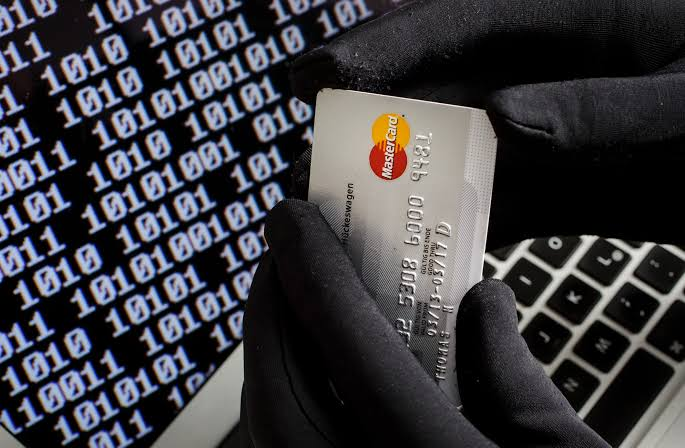
The digital economy has transformed how people manage money, shop online, and conduct business. Every day, millions of payment card transactions take place across e-commerce websites, mobile applications, and point-of-sale systems. sharkshop While these technologies provide convenience and efficiency, they have also created new opportunities for cybercriminals to target sensitive financial information. Among the most valuable forms of stolen data are payment card details, which can become part of a larger cybercrime ecosystem after a successful data breach.
Understanding how stolen card information moves from a data breach into illegal marketplaces helps organizations and individuals recognize the importance of cybersecurity. It also highlights why businesses must invest in strong security measures and why consumers should adopt safe online habits. This article explores the lifecycle of compromised payment information, the impact of data breaches, the role of underground markets in the cybercrime economy, and the practical steps that can help reduce these risks.
What Is a Data Breach?
A data breach occurs when unauthorized individuals gain access to confidential information stored by an organization or individual. The exposed information may include customer names, email addresses, passwords, payment card details, banking information, or other personally identifiable information.
Data breaches can affect organizations of every size, from small businesses to multinational corporations. Regardless of the scale, the consequences often include financial losses, operational disruption, legal challenges, and damage to customer trust.
Not every data breach results in financial fraud, but any exposure of sensitive information increases the risk that criminals may attempt to misuse the data in the future.
How Payment Card Information Becomes Compromised
Cybercriminals use a variety of methods to obtain payment card information. While attack techniques continue evolving, several methods remain particularly common.
Phishing Attacks
Phishing is one of the most widespread cyber threats. Attackers create fraudulent emails, text messages, or websites that imitate trusted organizations such as banks, retailers, or payment providers.
Unsuspecting users may enter payment information or account credentials into fake websites, unknowingly giving attackers access to sensitive data.
Malware Infections
Malicious software can infect computers, smartphones, or business systems through unsafe downloads, compromised websites, or infected email attachments. Certain types of malware are capable of stealing stored credentials or capturing information entered by users.
Keeping systems updated and using trusted security software significantly reduces this risk.
Security Vulnerabilities
Outdated software often contains known vulnerabilities that cybercriminals actively exploit. Organizations that delay installing security patches leave systems exposed to preventable attacks.
Routine software updates remain one of the simplest yet most effective cybersecurity practices.
Insider Threats
Not every data breach originates from external attackers. Employees or contractors with authorized access may accidentally expose sensitive information through human error or improper handling of data.
Strong access controls and regular security awareness training help minimize these risks.
The Value of Stolen Card Information
Payment card information remains highly attractive to cybercriminals because of its potential for financial exploitation. However, modern cybercrime often involves more than just card numbers.
Additional information such as cardholder names, billing addresses, email accounts, login credentials, and phone numbers may increase the usefulness of compromised records. Criminals may attempt identity theft, account takeover, or other forms of financial fraud using combinations of stolen information.
The demand for this information has contributed to the development of organized cybercrime networks that specialize in acquiring, distributing, and attempting to profit from stolen data.
The Role of Underground Markets
Cybersecurity researchers have documented the existence of underground online marketplaces where criminals attempt to exchange stolen digital information. These marketplaces have historically included compromised payment data among many other forms of illegally obtained information.
Law enforcement agencies around the world continue working to identify and dismantle these criminal networks. However, the persistence of underground markets demonstrates that stolen information remains valuable within the broader cybercrime ecosystem.
Researchers study these environments to understand emerging threats, improve fraud detection, and help organizations strengthen cybersecurity defenses. Understanding how stolen data moves through criminal ecosystems enables defenders to anticipate new attack trends and improve protective measures.
The Business Impact of Payment Data Breaches
Organizations that experience payment data breaches often face consequences extending far beyond the initial security incident.
Financial Losses
Businesses may incur costs related to forensic investigations, customer notifications, legal services, regulatory compliance, technology upgrades, and incident response efforts.
The overall financial impact frequently exceeds the direct losses caused by the breach itself.
Damage to Reputation
Customer trust is one of an organization’s most valuable assets. When sensitive financial information is compromised, customers may hesitate to continue doing business with the affected company.
Rebuilding confidence often requires transparent communication and substantial investment in improved cybersecurity.
Operational Disruption
Responding to a cybersecurity incident may require temporary service interruptions, internal investigations, and system recovery efforts that affect business operations.
Comprehensive incident response planning helps organizations recover more efficiently.
Regulatory Challenges
Many industries operate under strict privacy regulations and payment security standards that require organizations to safeguard customer information.
Failure to comply with these requirements may result in regulatory investigations, financial penalties, or legal consequences.
How Businesses Can Reduce Risk
Preventing payment data breaches requires a layered cybersecurity strategy combining technology, policies, and employee awareness.
Implement Multi-Factor Authentication
Multi-factor authentication adds an additional verification step beyond passwords. Even if login credentials become compromised, attackers face greater difficulty accessing protected systems.
Organizations should enable this protection wherever possible.
Encrypt Sensitive Data
Encryption protects payment information both while stored and during transmission. If unauthorized access occurs, encrypted information is significantly more difficult to interpret without the proper encryption keys.
Conduct Regular Security Testing
Routine vulnerability assessments, penetration testing, and security audits help organizations identify weaknesses before attackers exploit them.
Cybersecurity should be viewed as an ongoing process rather than a one-time project.
Monitor Systems Continuously
Modern security monitoring tools can detect suspicious login attempts, unusual account activity, abnormal network traffic, and unauthorized access.
Early detection allows security teams to respond quickly and limit potential damage.
Educate Employees
Employees remain one of the most important components of organizational cybersecurity. Regular training helps staff recognize phishing emails, suspicious communications, and social engineering attempts before they become successful attacks.
Protecting Yourself as a Consumer
Individuals also have an important role in protecting payment information and reducing digital fraud risks.
Create strong, unique passwords for every online account and consider using a trusted password manager to store them securely. Enable multi-factor authentication for banking, email, and shopping accounts whenever available.
Review financial statements regularly to identify suspicious activity as early as possible. Many banks offer transaction alerts that immediately notify customers of account activity.
Avoid clicking unexpected links or downloading attachments from unfamiliar messages. Always verify website addresses before entering payment information, and ensure websites use secure encrypted connections.
When shopping online, choose reputable retailers with established security practices and avoid sharing unnecessary personal information.
The Future of Payment Security
The payment industry continues evolving through technologies such as digital wallets, biometric authentication, tokenization, artificial intelligence, and real-time fraud detection systems.
These innovations improve security while making transactions more convenient. However, cybercriminals also continue adapting their methods, making continuous cybersecurity investment essential.
Organizations that regularly update security controls, monitor emerging threats, and educate employees will be better positioned to respond to future challenges.
Likewise, consumers who remain informed about cybersecurity best practices will significantly reduce their exposure to online fraud.
Lessons for the Digital Age
The journey of stolen card information from a data breach to underground criminal marketplaces illustrates the importance of proactive cybersecurity. Every stage of this process begins with a preventable security weakness, whether it involves phishing, malware, outdated software, weak authentication, or human error.
Businesses should prioritize strong access controls, encryption, employee education, continuous monitoring, and regular security assessments. Consumers should focus on maintaining secure passwords, enabling multi-factor authentication, updating software, and monitoring financial accounts for unusual activity.
Cybersecurity is most effective when prevention, detection, and rapid response work together.
Conclusion
The path from data breaches to dark web markets demonstrates how valuable stolen payment information has become within the cybercrime economy. Although underground marketplaces represent only one part of a much larger sharkshop.vc criminal ecosystem, they reinforce the importance of protecting sensitive financial data before it is exposed.
Organizations that invest in modern cybersecurity practices can significantly reduce the likelihood of successful attacks while strengthening customer trust and regulatory compliance. Individuals can improve their online safety by following simple but effective habits such as using unique passwords, enabling multi-factor authentication, verifying online communications, and monitoring financial accounts.
In today’s digital world, cybersecurity is not solely the responsibility of technology professionals. Businesses, employees, financial institutions, and consumers all play a role in protecting sensitive information. By understanding how stolen card information moves through the cybercrime ecosystem and by adopting proactive security measures, everyone can contribute to a safer and more resilient digital environment.
