

What is the engineering design process, and why does it matter to industry today? From automated factories to energy infrastructure, projects depend on more than an idea. Engineers turn requirements into systems that are safe, practical, and ready to operate. Let’s take a closer look.
From Challenge to Solution
The engineering design process starts when teams identify the problem. They define what a project must achieve and consider budgets and site conditions, not mentioning regulations. Environmental factors matter, too. Later, engineers set criteria for solutions.
Next, they create and compare concepts. They evaluate whether each option meets performance targets, integrates with other systems, and remains viable over time. Rather than select immediately, teams keep trying alternatives, learning from previous, similar projects. They also perform testing procedures to refine particular designs. This process is iterative: new findings may prompt a rethink.
Five Connected Phases
Industrial engineering moves through five phases:
- Feasibility: Assess technical, financial, and environmental constraints to determine whether the project can proceed.
- Basic design: Establish system arrangement, equipment needs, and preliminary layouts.
- Detail engineering: Complete calculations, choose materials, and prepare drawings and specifications.
- Workshop documentation: Provide fabrication instructions, component details, welding requirements, and quality checks.
- As-built records: Update documents to show what was installed, including approved changes and site deviations.
These stages of the engineering design process communicate vital decisions to everyone involved. They also create records for maintenance as well as compliance with future upgrades in mind. For more details, visit the reference source: https://www.capnor.com/en/blog/what-is-the-engineering-design-process.
Digital Tools and Teamwork
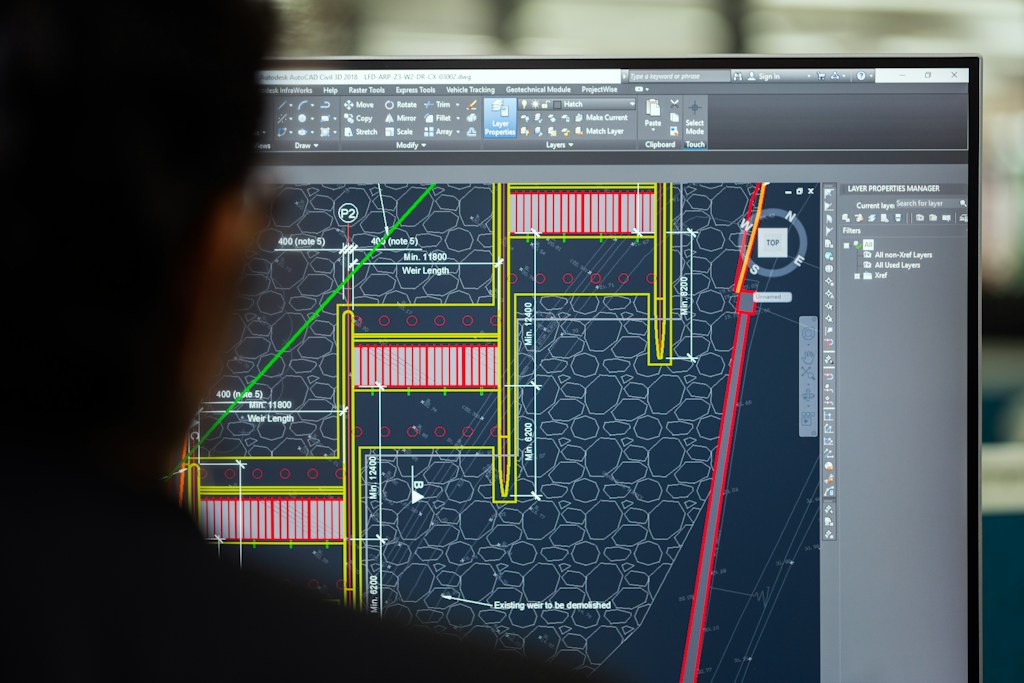
CAD and 3D modeling tools help engineers build and review virtual models before physical work begins. For example, these can reveal spatial conflicts and support coordination across various process disciplines.
Nevertheless, software cannot replace sound judgment. Teams need information, clear responsibilities, and reviews. Testing exposes weaknesses while changes are manageable, because late fixes cost more time. After a facility starts operating, monitoring can identify ways to improve performance and safety.
Turning Design into Long-Term Value
Project success depends on connecting early decisions with operating needs. Whether developing machinery, production facilities, or energy systems, engineers must evaluate alternatives. They must also document choices and keep information consistent. People want systems that work reliably. A disciplined engineering design process cannot remove every challenge, but it helps your team deliver a solution that actually makes a difference.
