

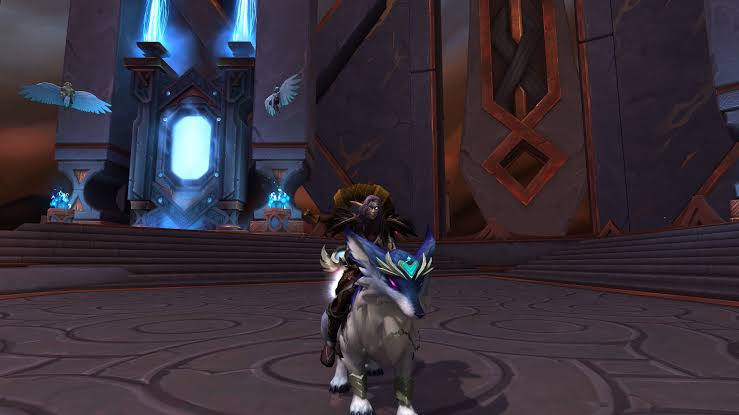
Character customization has become one of the defining features of modern video games. In the early days of gaming, players were limited to controlling predefined characters with fixed appearances and abilities. Today, however, games offer extensive customization options that allow players to create unique avatars, personalise equipment, adjust playstyles, and even influence story outcomes. This evolution has transformed gaming into a more personal and immersive experience.
Modern character customization goes beyond simply changing hairstyles or clothing. It enables players to express their creativity, develop unique identities, and tailor gameplay to match their preferences. As gaming technology continues to evolve, customization systems have become increasingly sophisticated, making them one of the most popular features across multiple genres.
The Early Days of Character Design
During the early years of slot video gaming, hardware limitations restricted what developers could include in their games. Characters often consisted of simple pixel art with very few visual details. Players usually controlled a single hero whose appearance could not be changed.
Classic arcade and console games focused primarily on gameplay rather than personalisation. Since memory and processing power were limited, developers prioritised smooth performance over customization features.
Although these early characters became iconic, players had little opportunity to make them their own.
The Introduction of Basic Customization
As gaming consoles and personal computers became more powerful, developers began introducing simple customization options.
Players could choose basic features such as:
- Character gender
- Hair colour
- Clothing colours
- Character names
- Difficulty settings
While these options were limited compared to today’s standards, they represented an important step toward creating more personalised gaming experiences.
Developers recognised that players enjoyed feeling connected to their characters, encouraging further innovation in future titles.
Expanding Visual Personalization
Modern games now offer highly detailed character creation systems that allow players to customise nearly every aspect of their appearance.
Today’s customization options often include:
- Facial structure
- Hairstyles
- Eye colour
- Skin tone
- Body type
- Facial hair
- Tattoos
- Accessories
- Clothing styles
- Armour designs
These features allow players to create avatars that reflect their personalities, creativity, or imaginative ideas.
Many players spend significant time designing their characters before beginning the main adventure, highlighting how important customization has become.
Customization Beyond Appearance
Character customization is no longer limited to visual design.
Many games allow players to personalise gameplay through skill trees, abilities, equipment, and specialisations. Instead of every player having identical abilities, customization systems encourage different strategies and playstyles.
Players may choose to develop characters that focus on:
- Close-range combat
- Long-range attacks
- Magic abilities
- Stealth tactics
- Healing support
- Crafting skills
- Resource gathering
- Leadership abilities
These choices create unique experiences while increasing replay value.
Character Identity and Player Expression
One reason customization has become so popular is that it allows players to express themselves.
Some players create characters that resemble themselves, while others design completely fictional heroes inspired by fantasy, science fiction, or historical themes.
Customization gives players creative freedom without affecting the core gameplay experience. It also strengthens emotional connections because players become more invested in characters they have personally designed.
This sense of ownership increases immersion and encourages players to spend more time exploring the game’s world.
Role-Playing Games Lead Innovation
Role-playing games (RPGs) have played a major role in advancing character customization.
These games often combine visual customization with character progression systems that allow players to develop unique abilities throughout the adventure.
Players gradually unlock:
- New skills
- Powerful equipment
- Cosmetic outfits
- Advanced abilities
- Special companions
- Mounts
- Crafting recipes
- Character titles
Each progression choice reflects the player’s preferred style of play, making every journey feel different.
Many RPGs also include dialogue options and moral decisions that further personalise the player’s experience.
Online Gaming and Social Identity
The growth of online multiplayer games has made customization even more valuable.
In online communities, customised characters become a player’s digital identity. Friends, teammates, and competitors often recognise players through their unique appearance rather than simply their usernames.
Developers frequently introduce seasonal cosmetic items, limited-time outfits, and special accessories that allow players to celebrate achievements or personalise their avatars further.
These cosmetic options help create diverse communities where every character feels unique.
Technological Advances Improve Customization
Advances in gaming technology have significantly expanded customization possibilities.
Modern graphics engines support realistic facial animations, detailed textures, dynamic clothing physics, and highly accurate lighting effects.
Artificial intelligence also assists developers by generating more natural facial features, realistic hairstyles, and improved character animations.
Cloud technology enables players to synchronise customised characters across multiple devices, ensuring a seamless experience regardless of where they play.
These innovations continue raising the standard for character creation systems.
Accessibility Through Inclusive Design
Today’s developers increasingly design customization systems that represent a wider range of players.
Modern games often include diverse hairstyles, skin tones, facial features, body types, accessibility options, and clothing styles that allow more players to create characters they feel connected to.
This broader representation helps make gaming more welcoming while encouraging creativity and self-expression.
Inclusive customization demonstrates how the gaming industry continues evolving to meet the needs of its global audience.
Balancing Customization and Gameplay
Although extensive customization offers many benefits, developers must carefully balance personalisation with gameplay performance.
Creating thousands of clothing combinations, animations, and equipment options requires careful optimisation to maintain smooth gameplay.
Successful games ensure that customization enhances immersion without overwhelming players with unnecessary complexity. Clear menus, intuitive interfaces, and well-organised options help players enjoy creating their ideal character without frustration.
This thoughtful balance contributes to a more enjoyable gaming experience.
The Future of Character Customization
The future of character customization looks increasingly exciting as technology continues to advance.
Artificial intelligence may soon generate highly personalised avatars based on player preferences while offering smarter recommendations for appearance and equipment.
Virtual reality could allow players to interact with their customised characters in entirely new ways, while improved motion capture technology may produce even more realistic facial expressions and body movements.
Future customization systems may also adapt dynamically to player choices throughout the story, creating characters that evolve naturally alongside the adventure.
These innovations promise deeper immersion and greater creative freedom than ever before.
Why Character Customization Matters
Character customization is more than a cosmetic feature—it strengthens the connection between players and the virtual worlds they explore.
Its key benefits include:
- Encouraging creativity
- Supporting individual playstyles
- Increasing player immersion
- Improving replay value
- Building stronger emotional connections
- Enhancing online identity
- Rewarding long-term progression
- Making every adventure feel unique
Because every player approaches games differently, flexible customization systems ensure that everyone can enjoy a more personalised experience.
Conclusion
The evolution of character customization has transformed modern video games from fixed experiences into highly personalised adventures. What began as simple options like choosing a character’s name or changing clothing colours has grown into sophisticated systems that allow players to customise appearance, abilities, equipment, and even the direction of the story.
As technology continues to improve, character customization will become even more detailed, intelligent, and immersive. Artificial intelligence, advanced graphics, and virtual reality will open new possibilities for player expression, ensuring that customization remains one of the most exciting features of modern game design. By allowing players to create characters that reflect their imagination and preferred playstyle, customization continues to enrich gaming experiences and strengthen the connection between players and the worlds they explore.
