

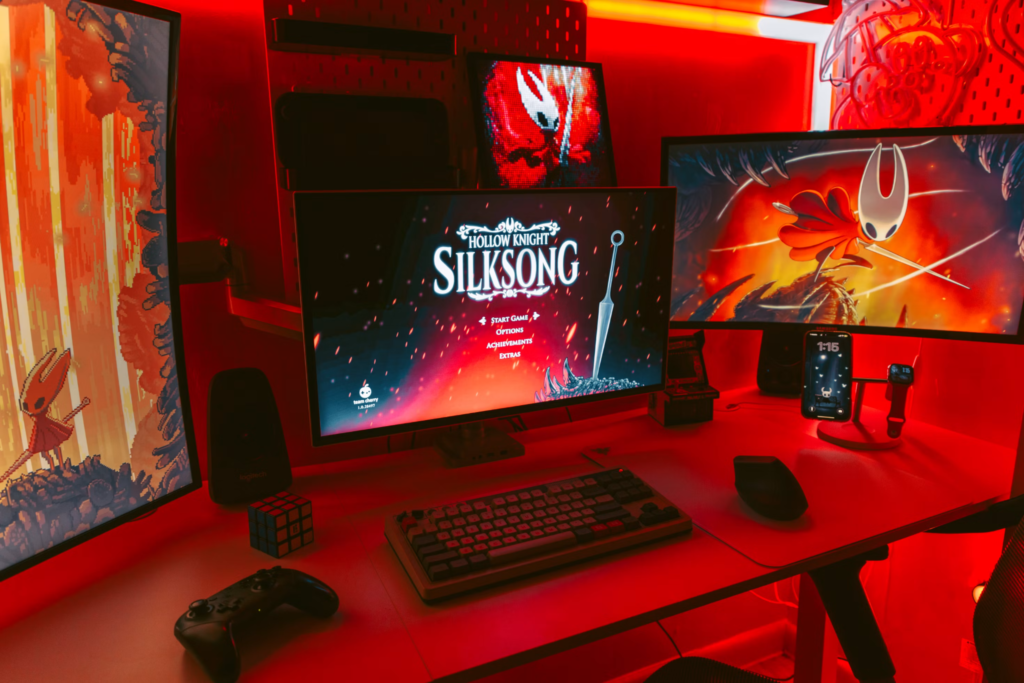
Mainstream marketing celebrates cinematic graphics and colossal budgets, yet many players report deeper emotional impact from modest pixel art, unconventional mechanics, and experimental narratives forged by independent teams. Sales charts now place minimalist farming sims beside photoreal epics, highlighting a shift in taste that values originality over spectacle.
Forum threads on x3bet routinely showcase speed-runs of quirky platformers next to discussions of triple-A sequels, and community polls frequently crown the smaller titles as year-end favorites. The pattern suggests that freedom from corporate mandates can nurture ideas big publishers seldom risk.
Resource Limits Spark Inventive Solutions
Independent developers seldom enjoy endless art departments or motion-capture stages. Constraints force smart prioritization, encouraging mechanics that rely on clever rules rather than vast asset libraries. A solo coder may replace high-poly models with striking silhouettes, turning technical necessity into visual identity. When a two-person studio cannot hire orchestral talent, chiptune loops or ambient field recordings step in, offering an aesthetic rarely found in blockbuster soundtracks.
Small teams also iterate rapidly. Short decision chains let a designer adjust physics or dialogue the same afternoon feedback arrives. That velocity often leads to tighter feedback loops between player observation and on-screen response, creating experiences tuned with artisan precision.
Hallmarks of Indie Creativity
- Unorthodox Mechanics – Time reversal buttons, fourth-wall dialogue boxes, and single-input puzzlers keep interaction fresh.
- Personal Storytelling – Diaries, cultural folklore, and autobiographical themes replace generic hero arcs.
- Distinct Visual Styles – Watercolor palettes, claymation sprites, or ASCII art distinguish releases at a glance.
- Adaptive Sound Design – Procedurally mixed soundtracks react to movement rather than scripted scenes.
- Community Collaboration – Public prototypes invite feedback that shapes final levels and balance.
Risk Profiles Shape Design Philosophy
Major publishers answer to shareholders, marketing forecasts, and global ratings boards. Each stake introduces caution. Safer bets lead to sequels, franchise spin-offs, and familiar open-world formulas. Independent crews, dealing only with personal savings or small grants, can embrace topics too niche for boardroom approval: grief processed through cooking, ecology lessons disguised as park management, or language learning woven into dungeon crawling.
Crowdfunding platforms further reward novelty. Backers crave concepts unseen elsewhere, so bold pitches secure financing precisely because large corporations avoid them. Once funded, independence from retailer deadlines gives creators space to polish imaginative systems until they work.
Community Engagement as Development Fuel
Close contact with an audience keeps momentum alive. Discord servers, itch-.io devlogs, and weekly public builds turn players into active collaborators rather than passive consumers. Feature votes and bug hunts strengthen loyalty long before launch day, ensuring organic word of mouth that big advertising budgets attempt to buy.
Physical events echo the effect. Festival booths filled with handmade posters invite direct conversation, allowing a designer to observe emotional beats in real time. Insights guide micro-adjustments impossible inside vast studio pipelines where departments communicate through formal tickets.
Obstacles Big Studios Face
- Marketing Over Design – Trailer deadlines sometimes dictate asset focus, restricting prototype freedom.
- Sequel Expectation – Established franchises carry lore baggage that limits mechanical experimentation.
- Committee Sign-Offs – Multiple approval layers slow creativity and suppress minority voices within teams.
- Monetization Pressure – Battle passes, skins, and DLC roadmaps shift resources away from risky features.
- High Overhead Costs – Large staff numbers demand predictable revenue, discouraging unconventional genres.
Quality Through Focused Scope
An independent title rarely promises one hundred hours. Instead, tight scope channels energy into polished moments: a single boss fight that evolves across attempts, or an environment that reconfigures every time a lamp switches on. Players respect experiences that end gracefully rather than inflate playtime with repetitive tasks. Meanwhile, critics highlight concise design as an antidote to content fatigue caused by excessive open-world checklists.
Cross-Pollination Benefits the Whole Industry
Ideas born in indie labs often migrate upward. Procedural narrative techniques pioneered by experimental roguelikes now power mainstream survival games. Colorful minimalist UI trends appear in mobile hits funded by telecom giants. Even accessibility breakthroughs, single-stick modes, dyslexia-friendly fonts, high-contrast palettes originate from devs who solved problems for friends and family before corporate compliance teams caught up.
Publishers recognize opportunity and increasingly fund micro-labels, letting modest teams operate semi-independent while offering marketing muscle later. The arrangement preserves agility yet secures distribution scale, demonstrating that creative DNA endures when protected from overbearing oversight.
Conclusion
Independent games frequently feel more creative than blockbuster releases because constraints ignite invention, risk tolerance encourages unfamiliar themes, and community collaboration shapes responsive design. Limited resources transform into purposeful focus, delivering distinctive art styles, mechanics, and stories that resonate beyond production scale. While large studios still push technical boundaries, small teams push conceptual horizons, ensuring the medium evolves through both spectacle and soul.
