

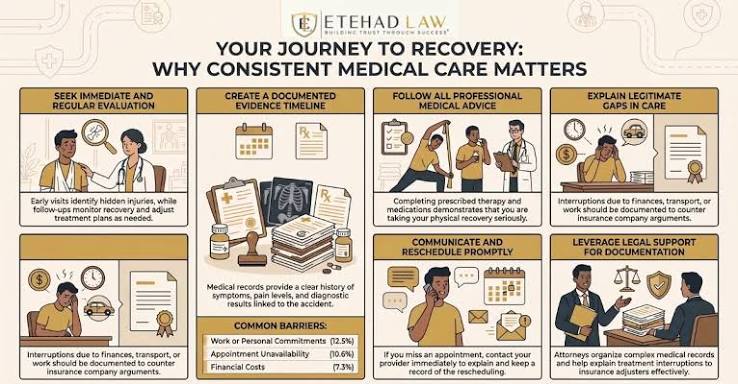
Suffering a serious injury is a disorienting experience. Medical care and emotional recovery compete for your attention, while bills accumulate and questions about fault and responsibility loom. Knowing when to involve an attorney can protect your financial future, preserve critical evidence, and reduce stress during recovery. This article explains the key signals that mean it’s time to seek legal help and what to expect when you do.
Recognizing Serious Injuries
Not every injury requires legal intervention, but certain types almost always do. Catastrophic injuries such as traumatic brain injuries, spinal cord damage, amputations, severe burns, and injuries causing permanent disability are obvious examples. Injuries that require long-term rehabilitation, multiple surgeries, or ongoing medication are also red flags. Even if an injury seems moderate at first, symptoms that worsen or persist beyond the normal healing window should prompt reconsideration. The presence of long-term impairment or chronic pain often turns a medical matter into a legal one because of the lasting impact on employment, lifestyle, and relationships.
Immediate Steps to Protect Your Rights
After a serious injury, the most important immediate steps are documenting the incident and getting thorough medical care. Always seek emergency treatment when necessary; a clear medical record is the foundation of any injury claim. Photograph the scene, your injuries, and any property damage as soon as you are able. Collect names and contact information of witnesses and first responders. Report the incident to the appropriate authorities or property managers and request a written incident or police report. Preserve clothing, equipment, or other physical evidence that may be relevant. These actions preserve the factual record and prevent arguments that evidence was lost or altered.
Situations That Need Legal Guidance
Certain circumstances make legal advice especially urgent. When liability is disputed or multiple parties may share fault, early legal strategy can clarify how to proceed. If insurance companies contact you with settlement offers shortly after the incident, consult an attorney before accepting anything; initial offers are often insufficient and can lock you out of pursuing full compensation. If the other party denies responsibility, if you face a complex web of defendants such as in product liability or construction accidents, or if the injury occurred at work and involves both workers’ compensation and third-party claims, legal guidance is critical. Additionally, if you are contacted for a recorded statement, pressured to sign releases, or invited to a quick settlement meeting, these are strong signals to seek counsel first.
What a Lawyer Can Do Early On
An experienced advocate can step in immediately to protect your interests. They will secure and analyze evidence, coordinate with medical experts, and preserve crucial documentation that might otherwise be lost. Early counsel prevents missteps that can harm a case, such as giving an unguarded statement to an insurer or accepting a lowball settlement. If claims involve ongoing medical needs, an attorney can arrange for independent medical evaluations and estimate future care costs so compensation covers long-term needs. For practical assistance and negotiation, consider contacting a Personal Injury Lawyer who can handle communication with insurers, file necessary legal notices, and advise on the best path forward. Engaging representation early also helps in tracking damages like lost wages, diminished earning capacity, and non-economic harms such as pain and suffering.
Timing, Deadlines, and Practical Considerations
Statutes of limitations impose strict deadlines for filing claims. These vary by state and by the type of claim, but missing a deadline can end your right to recover compensation. In addition to filing deadlines, there are procedural timelines for notifying insurers, paying medical liens, and responding to discovery requests. An attorney helps manage these time-sensitive requirements. Practical considerations also include how legal fees will be handled; many injury lawyers work on contingency, meaning they get paid only if you recover compensation. This arrangement reduces upfront financial stress and aligns the lawyer’s incentives with your best outcome. Discuss fee structures and costs at the outset so you understand potential expenses.
Navigating Insurance and Settlement Offers
Insurance companies are often the primary interlocutors after an injury, and their adjusters are trained to limit payouts. Early legal involvement changes the dynamic. An attorney can field calls, refuse unreasonable requests for recorded statements, and ensure you don’t inadvertently say something that reduces your claim. Lawyers have experience valuing claims, negotiating tactics, and taking cases to trial when insurers refuse fair offers. Even if your case settles, having counsel ensures the agreement addresses future medical needs and assigns responsibility for liens and subrogation. A well-negotiated settlement can be life-changing, especially when medical costs and loss of income threaten long-term stability.
Special Situations: Wrongful Death and Vulnerable Plaintiffs
When an injury results in wrongful death, the family faces emotional trauma and complex legal issues. Legal counsel helps pursue claims for funeral expenses, loss of consortium, and economic damages. For injured seniors, children, or those with pre-existing conditions, attorneys can demonstrate how the incident exacerbated underlying problems and calculate appropriate damages. Vulnerable plaintiffs may also face aggressive defense tactics; a lawyer shields them from undue pressure and ensures fair treatment.
Moving Forward
Deciding when to seek legal help after a serious injury depends on the nature of the injury, the complexity of liability, and the response of insurers and other parties. If there is any doubt about responsibility, long-term medical needs, or the adequacy of early settlement offers, consult an attorney to understand your rights and options. Early action preserves evidence, secures your medical record’s legal value, and positions you for a stronger outcome. Recovering physically and emotionally should be your priority; competent legal support lets you focus on healing while protecting your future.
