

A 3D printer can turn a digital design into a physical product, but even a small technical issue can bring an entire project to a standstill. From clogged nozzles and uneven layers to software errors and mechanical failures, printing problems can waste materials, delay deadlines, and affect product quality. Professional 3D printer repair can help businesses, engineers, designers, and hobbyists identify equipment issues, restore reliable performance, and get their printing operations back on track.
Understanding Common 3D Printer Problems
3D printers rely on several interconnected components to produce accurate objects. These include the print head, nozzle, extruder, build plate, motors, belts, sensors, and control electronics. A problem with any of these components can affect the printing process.
One common issue is nozzle clogging, which can prevent filament from flowing correctly. Users may notice gaps in printed layers, inconsistent extrusion, or prints that stop unexpectedly. Bed-leveling problems can also cause poor first-layer adhesion, resulting in warped or incomplete objects.
Other issues include loose belts, worn components, temperature-control failures, firmware errors, and connectivity problems. Identifying the underlying cause is essential because the same printing symptom can sometimes result from several different faults.
Why Timely 3D Printer Repair Matters
Ignoring equipment problems can lead to repeated print failures, unnecessary material consumption, and longer production delays. For businesses that depend on 3D printing for prototyping, product development, or manufacturing, these disruptions can affect project schedules and operating costs.
Timely repairs can help identify failing components before they cause more extensive problems. They can also restore print consistency, improve equipment reliability, and reduce the need to replace an entire machine when a specific component can be repaired.
Professional technicians can assess the printer, troubleshoot mechanical and electronic faults, and recommend appropriate repairs based on the machine’s condition.
Common Types of 3D Printer Repairs
Different printer problems require different diagnostic and repair approaches.
Nozzle and extruder issues: Clogged nozzles, worn extruder gears, and inconsistent filament feeding can affect extrusion quality. Cleaning, adjustment, or component replacement may be necessary.
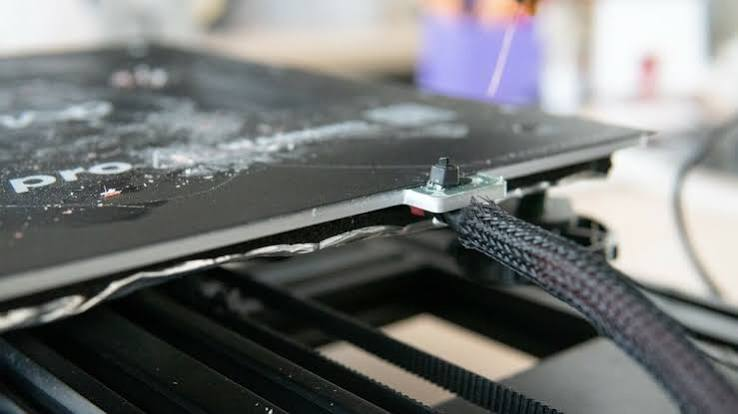
Print bed and leveling problems: An uneven build plate or malfunctioning leveling sensor can prevent the first layer from adhering correctly. Repair may involve recalibration, sensor inspection, or replacement of damaged components.
Mechanical failures: Worn belts, loose pulleys, damaged bearings, and motor problems can cause inaccurate movements or unusual noises. Correcting these issues helps restore smooth and precise operation.
Electrical and temperature faults: Heating elements, thermistors, power supplies, and wiring can develop problems that interfere with temperature control or prevent the printer from operating safely. These issues may require specialist diagnosis.
Software and firmware troubleshooting: Incorrect settings, outdated firmware, communication errors, and configuration problems can cause unexpected behavior. Proper troubleshooting can help determine whether the problem originates in the software, hardware, or their interaction.
Signs Your 3D Printer Needs Professional Attention
Recognizing early warning signs can help prevent prolonged downtime. Frequent failed prints, unusual mechanical sounds, inconsistent extrusion, repeated temperature errors, and unexplained shutdowns may indicate an underlying problem.
Prints that repeatedly develop the same defects despite adjustments may also require a more detailed inspection. If a printer produces burning smells, shows signs of electrical damage, or overheats unexpectedly, stop using it and seek qualified assistance.
While basic maintenance can resolve some minor issues, repeated faults or problems involving electrical components may require professional repair.
Preventive Maintenance for Better Performance
Regular maintenance helps keep 3D printers operating consistently and can reduce avoidable breakdowns. Users should follow the manufacturer’s maintenance instructions and keep the printer clean, paying particular attention to areas where dust, filament residue, and debris can accumulate.
Inspecting belts, checking fasteners, cleaning appropriate components, and confirming build-plate alignment can help prevent common printing issues. Users should also verify that they are using suitable materials and recommended temperature settings for their specific printer.
Keeping firmware updated when appropriate and recording recurring errors can make troubleshooting easier. A maintenance schedule based on usage, material type, and manufacturer recommendations can help businesses manage equipment more effectively.
Choosing a 3D Printer Repair Service
Selecting a repair provider involves more than finding someone who can replace a faulty component. Experience with the printer’s manufacturer, model, and technology can make diagnosis more efficient.
Before arranging a repair, explain the symptoms, error messages, recent maintenance, and any changes made before the issue appeared. Ask about diagnostic procedures, replacement-part availability, estimated costs, and expected turnaround times.
A dependable repair service should explain the identified problem, outline the recommended solution, and help determine whether repair is more practical than replacement. For businesses with multiple printers, ongoing maintenance support may also help reduce operational interruptions.
Conclusion
3D printers are valuable tools for product development, engineering, prototyping, and creative projects, but their performance depends on properly functioning mechanical, electrical, and software components. Addressing faults promptly can help reduce wasted materials, prevent recurring print failures, and maintain dependable output.
With appropriate maintenance and professional 3D printer repair when needed, users can extend equipment life and keep projects moving forward. Understanding common problems and recognizing when specialist support is necessary can make a meaningful difference in the long-term reliability of a 3D printing setup.
