

Introduction
When an ordinary product is packed for delivery, a standard box and basic protective material may be enough. However, some items need considerably more thought. Valuable artefacts, collectables, artwork, luxury products and delicate equipment can require packaging that does more than simply fill empty space.
They may need to be held in a precise position, protected from movement, presented professionally and stored safely for extended periods. This is where Bespoke Foam Packaging can offer a more considered approach.
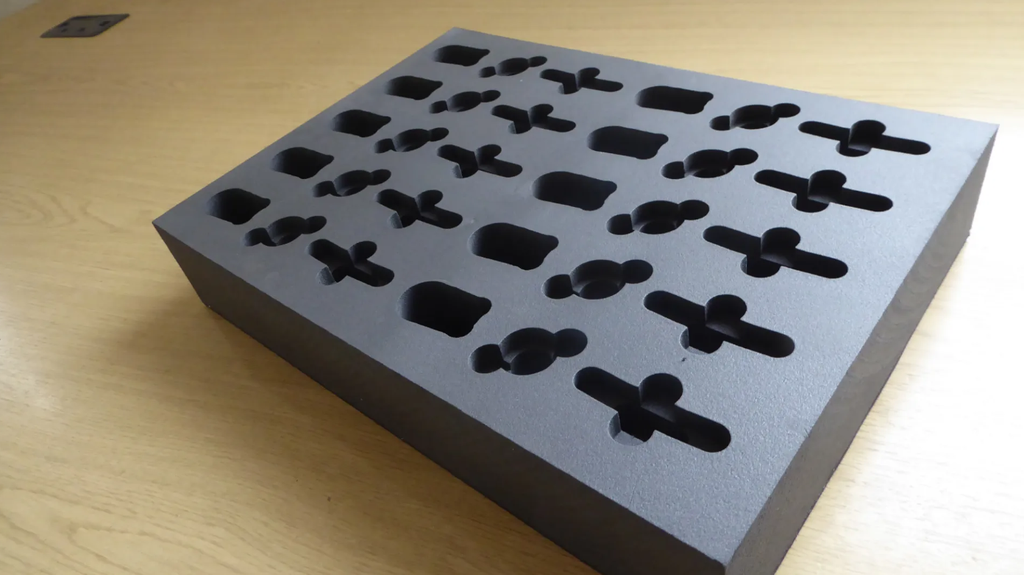
Rather than forcing different products into the same packaging format, bespoke foam solutions can be developed around the dimensions, shape and purpose of the item. Materials such as Plastazote can be precision-cut to create supports, compartments, linings and protective inserts that provide both practical protection and a polished appearance.
For organisations that regularly handle valuable or unusual objects, customised packaging can become an important part of how those items are transported, displayed and stored.
What Makes Bespoke Foam Packaging Different?
The main difference between standard and bespoke packaging is the way the protective solution is designed.
Standard packaging generally starts with an existing size or shape. The product then has to fit into that format. Bespoke packaging takes the opposite approach: the product becomes the starting point.
Measurements, contours, fragile areas and handling requirements can all influence the final design. Foam can then be shaped to create a closer-fitting protective environment.
This approach is particularly useful for objects that have unusual dimensions or features that cannot be adequately supported by generic packaging materials.
A carefully designed insert can provide dedicated spaces for individual components, while a custom support can hold an object securely without relying on excessive packing material around it.
Why Plastazote Is Used for Specialist Foam Solutions
Plastazote is a versatile closed-cell foam that can be used for a range of protective and presentation applications. Its smooth finish and availability in different colours also make it suitable when appearance matters alongside functionality.
For specialist packaging, this can be particularly useful.
A museum may need a protective lining for an artefact drawer. A collector may want individual compartments for coins or medals. A company launching a premium product may want the packaging to look as carefully designed as the item itself.
In each case, the foam is not simply being used as loose cushioning. It becomes part of a planned packaging or storage system.
Its ability to be cut into specific shapes also allows designers to create supports that follow the form of the object being protected.
Protection for Collectables and Valuable Objects
Collectors often deal with objects that cannot easily be replaced. Coins, medals, historical items and other collectables may need to be stored in an organised environment where unnecessary movement is avoided.
A generic container can leave objects sliding around or coming into contact with harder surfaces. A custom foam lining can create individual spaces that help keep items separated and securely positioned.
Drawer Linings for Coins and Medals
One practical application is creating foam-lined drawers with precision-cut compartments.
Instead of placing several collectables loosely into a drawer, each piece can have its own designated position. This makes the collection easier to organise while reducing unnecessary movement.
The same principle can be applied to other small valuable objects where separation and presentation are important.
For collectors with large collections, an organised storage system can also make it easier to identify and handle individual pieces without disturbing the rest.
Bespoke Foam for Museums and Exhibitions
Museums and galleries have a particularly demanding packaging requirement because objects may need to be protected during transportation, storage and display.
The same item might move between an archive, exhibition space and transportation container several times. Each stage introduces different handling requirements.
Bespoke Foam Packaging can be designed to support an object according to its specific shape. Custom-cut foam can also be incorporated into display mounts, exhibition supports or protective cases.
This means the material can perform more than one role.
During storage, it can help keep an artefact stable. During transportation, it can provide cushioning and separation. During an exhibition, it can form part of a discreet support system.
For delicate or historically significant objects, having a packaging solution designed specifically around the item can provide a more controlled alternative to generic packing materials.
Protecting Artwork During Transportation
Artwork can be difficult to package because different pieces have different dimensions, surfaces and structural characteristics.
A sculpture, framed artwork and delicate decorative object will not necessarily require the same type of protection.
Foam can be shaped to create dedicated contact points and supports around suitable areas of an item. The aim is to limit unwanted movement while creating a protective barrier between the object and the outer packaging.
This is particularly relevant when artwork is being transported between studios, galleries, exhibitions, collectors or storage facilities.
The packaging needs to be practical enough for handling but sufficiently precise to accommodate the object.
Presentation Packaging for Premium Products
Packaging has increasingly become part of the customer experience.
For premium products, corporate gifts, special editions and product launches, opening the package can be almost as important as receiving the product itself.
This creates an opportunity for Bespoke Foam Packaging to combine protection with presentation.
Instead of opening a box and finding a product surrounded by generic filler, a customer can see an organised insert with the product positioned deliberately within the packaging.
Different foam colours can also be considered to complement branding or the appearance of the product.
This can give presentation packaging a more refined and intentional appearance while still performing its protective function.
Bespoke Foam Packaging vs Polystyrene Packaging
Foam packaging is not a single material or one-size-fits-all solution. Different materials have different characteristics and are suited to different applications.
Polystyrene packaging, for example, is widely used for protective packaging where lightweight cushioning and product support are important. It can be shaped into blocks, inserts and other protective components.
Bespoke foam solutions such as Plastazote are particularly interesting when the packaging also needs a smooth finish, precise shaping, colour options or a more presentation-focused appearance.
The right choice therefore depends on the purpose.
For general protective shipping, polystyrene packaging may be appropriate for many applications. For a museum display, collector’s storage system or luxury presentation box, a specialist foam design may offer features that better match the requirements.
The Benefits of Going Bespoke
Choosing a customised packaging solution can provide several practical advantages.
1. Designed Around the Item
The packaging can be developed according to the product’s actual dimensions instead of relying on an approximate fit.
2. Better Organisation
Individual compartments and supports can keep multiple objects separated and make storage easier to manage.
3. Improved Presentation
Custom shapes, clean finishes and colour choices can make the packaging look more professional, particularly for premium products and displays.
4. Reduced Unnecessary Movement
A well-designed insert can help keep an item in position and reduce the amount of movement that occurs during transportation or handling.
5. Suitable for Unusual Objects
Irregularly shaped products and artefacts can be difficult to protect with standard packaging. Custom-cut foam allows the design to respond to the object’s specific shape.
6. Reusable Storage Potential
Depending on the application and construction, a well-designed foam insert can become part of a longer-term storage system rather than being used only once.
From Concept to Finished Packaging
A successful bespoke packaging project normally starts with understanding the object and its intended use.
The designer needs to consider questions such as:
- What are the item’s dimensions?
- Which areas are particularly delicate?
- Will the item be transported or stored?
- Does it need to be displayed?
- Are multiple components required?
- Does the packaging need to reflect a particular brand or presentation style?
These details help determine the most suitable configuration.
The foam can then be cut and shaped according to the required design. Precision cutting allows specific recesses, compartments and supports to be created rather than relying on loose pieces of protective material.
Testing the design before final production can also help identify potential fitting issues and provide an opportunity to make adjustments.
Creating Packaging That Has a Purpose
Good packaging should not simply look impressive. Every part should have a reason for being there.
A support should hold the object securely. A compartment should separate individual pieces. A lining should provide an appropriate protective surface. A presentation insert should position the product attractively while still protecting it.
This purpose-led approach is one of the biggest differences between generic packing and genuinely bespoke packaging.
For specialist applications, the packaging can become almost an extension of the storage or presentation system itself.
Conclusion
Not every product needs customised packaging, but some objects simply cannot be protected or presented effectively with a standard solution.
Bespoke Foam Packaging provides a way to design protection around the object rather than expecting the object to fit an existing package. From museum artefacts and collectables to artwork, luxury products and presentation pieces, precision-cut foam can provide support, organisation and visual appeal in one solution.
At the same time, Polystyrene packaging remains a useful option for many applications where lightweight cushioning and practical product protection are the primary priorities.
The key is understanding what the item actually needs. When packaging is designed around its purpose, shape and handling requirements, it can do far more than protect something during a journey. It can improve storage, simplify organisation, enhance presentation and provide a more professional experience from the moment an item is packed to the moment it is opened.
