

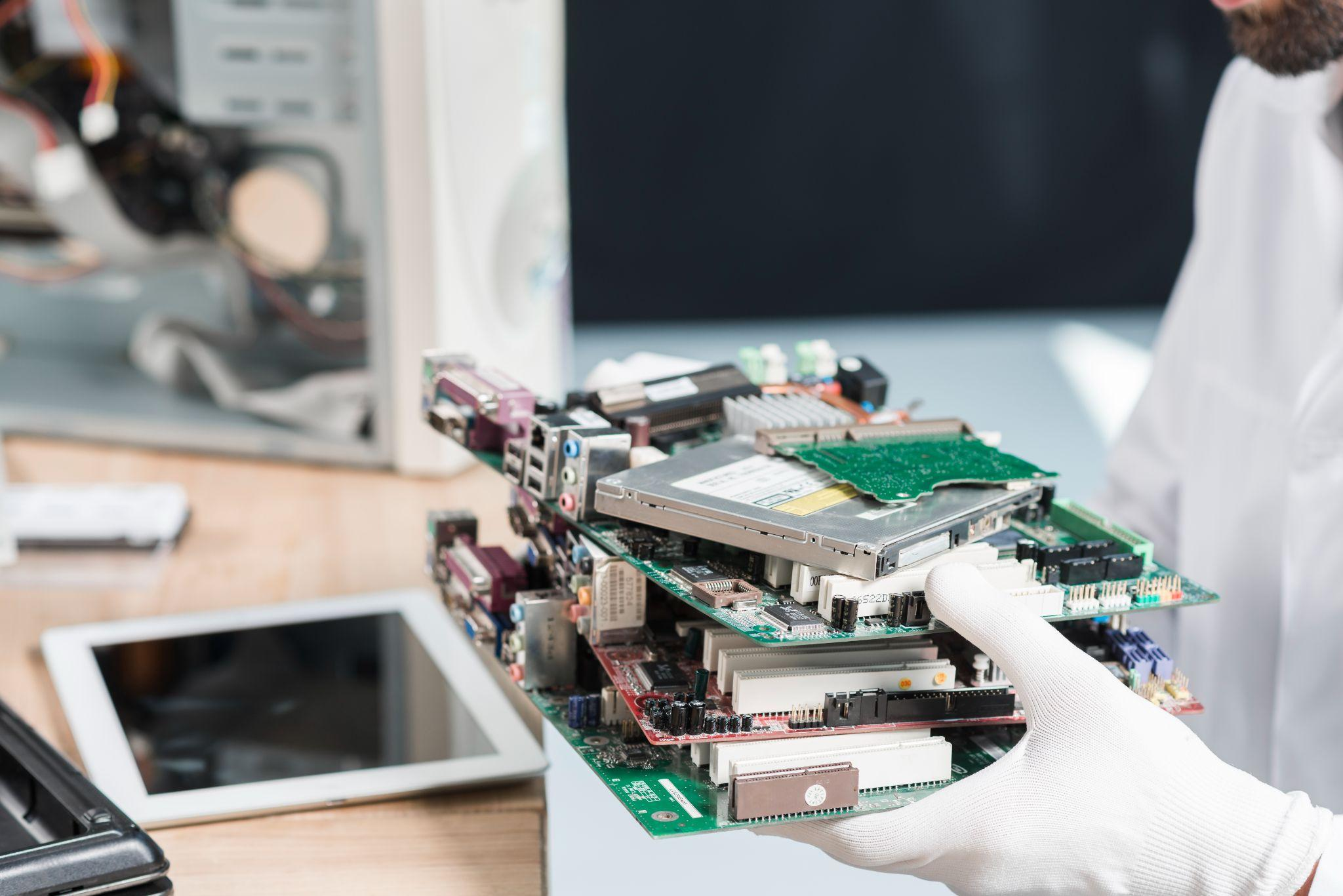
Technology upgrades are a regular part of modern business operations, but retiring outdated computers, servers, storage devices, and other electronics requires careful planning. Businesses need to consider both information security and environmental responsibility when equipment reaches the end of its useful life.
A structured disposal process can prevent sensitive information from remaining accessible after devices leave company control. Businesses seeking secure disposal of IT equipment in Dubai should consider data destruction, asset tracking, responsible recycling, and proper documentation. These steps help organisations reduce security risks while ensuring retired technology is handled through appropriate disposal and recycling channels.
Secure IT Retirement Supporting Modern Business Protection
A well-planned retirement process helps organisations protect sensitive information while responsibly managing outdated technology and electronic waste.
1. Creating A Complete Asset Inventory
Businesses should record device types, serial numbers, storage media, locations, users, and physical conditions before retirement. A detailed inventory prevents equipment from being overlooked and supports internal audits. It also helps teams distinguish reusable devices from assets that require secure destruction, recycling, or other appropriate end-of-life processing.
2. Separating Reusable And End-Of-Life Equipment
Assess retired equipment before disposal. Computers, servers, monitors, and components that remain functional may be refurbished or reused after proper data sanitisation. Damaged or obsolete devices can be sent for responsible recycling. This separation helps organisations extend equipment value while ensuring unsuitable assets receive appropriate electronic waste management.
3. Protecting Data Before Equipment Leaves
Basic deletion or formatting may not permanently remove stored information. Businesses should identify devices containing sensitive data and apply suitable sanitisation methods before transfer. Depending on security requirements, this may include certified software wiping or physical destruction of storage media, helping protect customer records, employee information, financial files, and intellectual property.
4. Maintaining A Documented Chain Of Custody
A documented chain of custody helps organisations track retired equipment from collection through final processing. Serial-level records, secure transportation, and controlled handling provide visibility throughout the process. These records show where each device was transferred, which processing method was used, and when retirement activities were completed, strengthening accountability.
5. Keeping Evidence Of Final Processing
Documentation should continue until every disposal activity is complete. Certificates of destruction or recycling provide evidence that equipment and data-bearing media were processed according to agreed procedures. These records support internal reviews, compliance activities, and audits, helping organisations show that retired assets were securely managed rather than simply discarded.
Responsible Disposal Practices For Retired Technology
Secure retirement requires businesses to combine information protection, asset accountability, and environmentally responsible processing throughout the disposal journey. When planning secure disposal of IT equipment in Dubai, organisations should look beyond simple collection and removal.
A complete process can include:
- Secure collection: Equipment is picked up through controlled and documented procedures.
- Asset tracking: Devices are recorded and matched with inventory details throughout the disposal process.
- Data sanitisation: Storage devices undergo secure data wiping or physical destruction where required.
- Component segregation: Reusable, recyclable, and non-recoverable components are separated for appropriate processing.
- Responsible recycling: Electronic equipment is processed through suitable recycling channels to recover valuable materials and reduce unnecessary waste.
- Disposal documentation: Businesses can maintain records such as recycling, destruction, or completion certificates as evidence of responsible processing.
Electronic equipment may contain valuable materials that can be recovered when processed correctly rather than sent into general waste streams. Professional disposal also helps businesses maintain clear documentation for completed work, supporting stronger accountability and responsible technology management.
Building A Safer End-Of-Life Technology Workflow
A consistent disposal workflow allows businesses to retire equipment securely while reducing unnecessary delays and environmental risks.
1. Scheduling Secure Equipment Collection
Collection should be organised around business operations while protecting equipment during transportation. Businesses can gather retired devices from offices, storage areas, or other locations and prepare them for controlled movement. Secure containers and suitable transportation procedures reduce the risk of loss, damage, or unauthorised access. Systematic scheduling also helps businesses coordinate technology upgrades with disposal activities efficiently and securely.
2. Logging Devices During Collection
Each device should be checked against the organization’s inventory during collection. Serial numbers, equipment categories, and identifying details can be recorded before assets reach the processing facility. This creates a traceable connection between collected equipment and final disposal documentation. Detailed logging is especially useful when businesses retire large quantities of computers, servers, drives, or other electronic assets simultaneously.
3. Selecting The Appropriate Data Destruction Method
Different storage devices may require different data destruction methods. Working equipment intended for reuse may undergo certified data sanitisation, while obsolete or sensitive storage media may require physical destruction. Choose a method based on media type, data sensitivity, and the intended outcome. Professional providers may use secure erasure, shredding, crushing, or controlled destruction techniques to prevent data recovery.
4. Processing Electronic Waste Responsibly
After addressing sensitive data, remaining equipment can be sorted for reuse, refurbishment, dismantling, or recycling. Materials such as metals, plastics, glass, and electronic components can be separated for appropriate processing. Responsible recycling reduces environmental impact while supporting material recovery. This approach allows businesses to connect information security practices with sustainability objectives through controlled and responsible technology disposal.
5. Completing The Process With Certification
The final stage should clearly show how the equipment was processed. Certificates can document quantities, asset information, destruction details, or recycling outcomes, depending on the service provided. Businesses can retain these records with internal asset documentation for future reference. Proper certification improves transparency and demonstrates that technology retirement followed a structured, accountable process rather than informal disposal.
Conclusion: Safer And More Responsible IT Retirement
Retiring IT equipment requires more than removing old devices from an office. Businesses need to protect stored information, maintain asset visibility, choose appropriate destruction methods, and ensure electronic waste is processed responsibly. A structured workflow can reduce security exposure while supporting environmental responsibility and stronger operational accountability.
For organisations seeking secure disposal of IT equipment in Dubai, Planet Green Recycling provides IT asset disposal, secure data and media destruction, e-waste recycling, and related processing services. Their documented approach includes secure collection, asset tracking, data destruction, responsible recycling, and certification, helping businesses manage the final stage of their technology lifecycle with greater confidence.
