

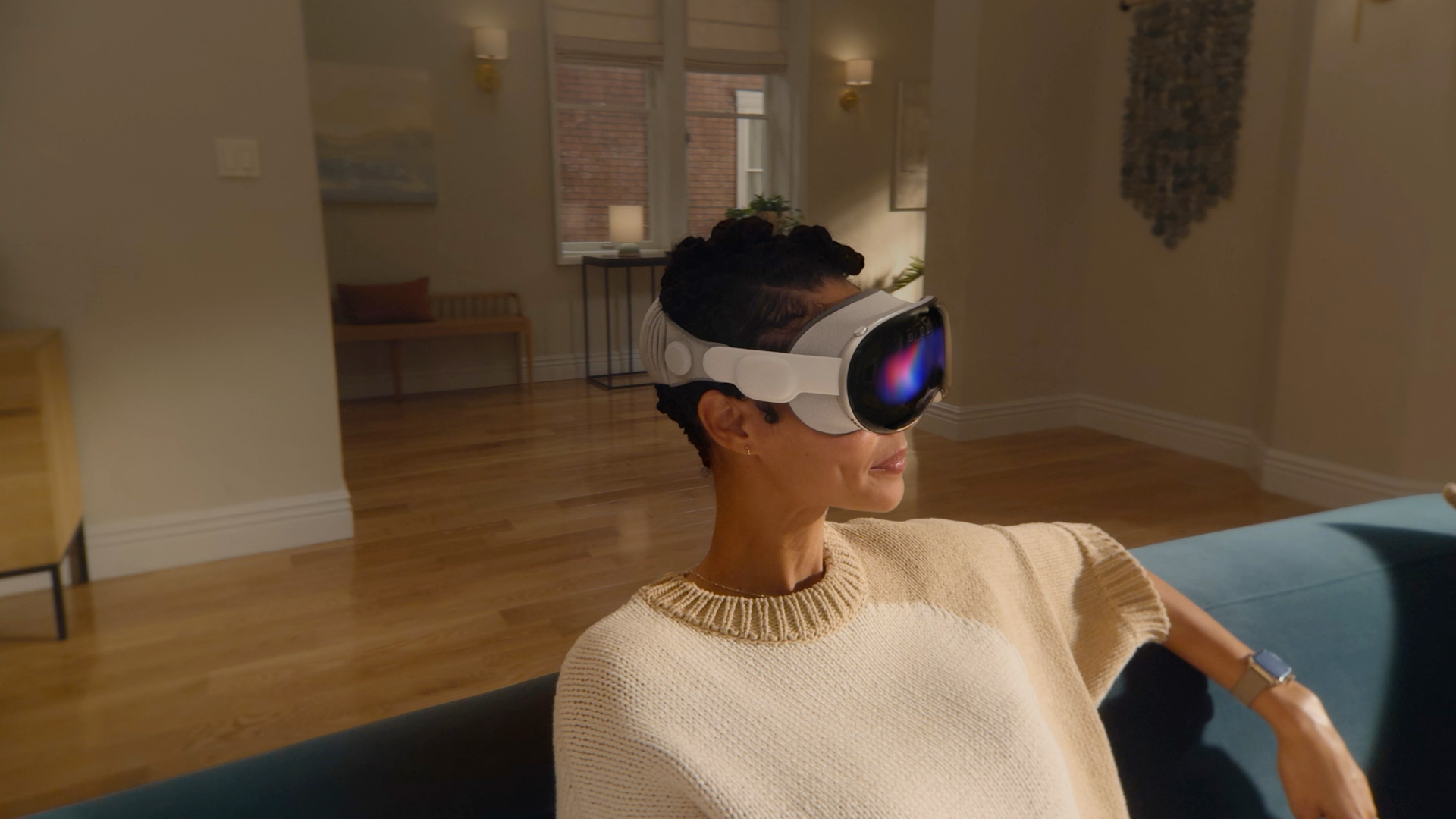
Consuming media on a flat rectangle—whether an ultra-thin OLED television or a smartphone screen—is fundamentally an act of passive observation. Over the last three years, however, rapid advancements in spatial computing and standalone virtual reality hardware have pushed digital entertainment across an inflection point. Audiences are no longer interested in simply watching a scene play out; they want genuine sensory immersion.
While gaming initially fueled headset adoption, high-fidelity video streaming is now driving daily active user retention across the industry. Specialized platforms and mature content hubs like VRSpy have pioneered early adoption of stereoscopic camera rigs, delivering high-resolution immersive productions that standard flat-panel displays cannot replicate. By matching wide-angle fields of view with dynamic spatial audio, these dedicated portals offer viewers an unprecedented sense of physical presence.
The Engineering Behind True Immersion
Tricking the human vestibular and visual systems into feeling genuinely present requires solving complex optical and latency hurdles. Modern spatial video relies on several synchronized engineering pillars:
- Stereoscopic 180° vs. 360° Capture: While full 360-degree footage is great for ambient vistas, high-action performances benefit far more from 180-degree stereoscopic capture, which preserves maximum pixel density directly in the user’s primary field of view.
- Pancake Optics & Micro-OLED: Replacing thick Fresnel lenses with lightweight folded optics eliminates peripheral blurring and reduces headset weight, allowing extended viewing sessions without neck fatigue.
- High-Refresh Playback (90Hz+): Consistent high frame rates eliminate visual stutter during rapid head movements, preventing the disorientation historically linked with early VR prototypes.
Solving the High-Resolution Bandwidth Bottleneck
Streaming uncompressed 8K immersive video demands immense network throughput. To deliver crisp, buffer-free playback across ordinary home Wi-Fi networks, streaming architectures have evolved rapidly.
Content networks catering to high-demand audiences, including vrspy.com, deploy adaptive viewport slicing and next-generation AV1 encoding. This approach prioritizes full-resolution rendering specifically where the user is looking, drastically cutting bandwidth consumption without sacrificing image clarity.
User Privacy in Spatial Environments
Because spatial headsets utilize multiple outward-facing cameras and tracking arrays, data security remains a central concern for users. Reputable entertainment portals increasingly prioritize decentralized account authentication, end-to-end transport layer encryption, and zero-log streaming architectures to protect viewer anonymity.
The Future of Virtual Entertainment
As mixed reality continues to blend physical living spaces with interactive digital elements, immersive video is setting a new baseline for consumer media. The technology has matured from an experimental novelty into an essential distribution medium that provides lifelike experiences at the touch of a button.
