

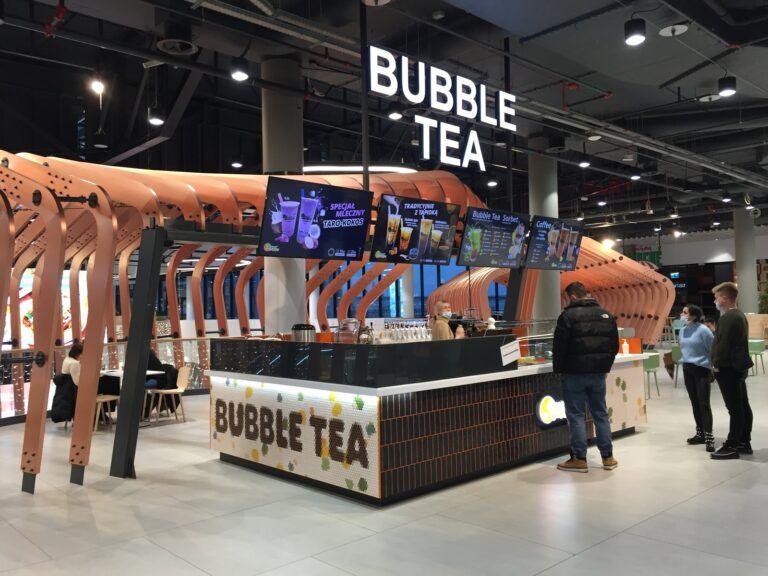
The bubble tea industry has become increasingly competitive. In many cities, customers can choose from several tea shops within the same shopping area, university district, or downtown street. This makes opening a boba tea franchise both promising and challenging.
The opportunity is clear. Bubble tea has strong appeal among younger consumers, families, students, office workers, and people looking for customizable drinks. The challenge is differentiation. A new store must give customers a reason to choose it over other beverage options.
A successful franchise strategy should focus on more than opening day excitement. It should build a store that can compete through product quality, brand experience, operational consistency, and customer loyalty.
Why Competition Matters in the Boba Tea Franchise Market
A boba tea franchise enters a market where customers often already understand the category. They know what milk tea is. They have tried tapioca pearls. Many have a favorite flavor, sweetness level, or shop.
This means a new store cannot rely only on novelty.
To compete, the brand needs a clear reason to exist in the local market. That reason may come from authentic Taiwanese tea culture, premium ingredients, signature drinks, nostalgic branding, strong service, or a more memorable store experience.
Franchisees should study the local competitive environment before choosing a site. Nearby beverage shops, coffee chains, dessert stores, restaurants, and convenience stores may all compete for the same customer spending.
Understanding this landscape helps the franchisee position the store more effectively.
Differentiation Through Brand Identity
In a crowded category, brand identity becomes a major advantage.
A strong boba tea franchise should not feel like a generic drink shop. It should communicate a story, mood, or product focus that customers can recognize.
Some brands emphasize traditional tea culture. Others focus on youth lifestyle, dessert-like drinks, premium ingredients, fresh fruit, or modern design. The most memorable brands usually connect product and storytelling in a way that feels consistent.
This matters because customers often make emotional decisions. A drink may taste good, but the full experience includes packaging, store design, social media presence, service, and how the brand makes people feel.
A franchise with a clear brand identity gives local owners a stronger foundation for marketing and customer retention.
Building a Menu That Encourages Repeat Visits
A boba tea menu should be familiar enough for new customers and interesting enough for regulars.
Classic items such as milk tea, fruit tea, and tapioca pearls are important because they make the shop approachable. Signature drinks are important because they make the shop memorable.
For a boba tea franchise, menu strategy should support both consistency and freshness. Customers should be able to return for their favorite drink, but they should also have reasons to try something new.
Seasonal beverages, limited-time flavors, fresh fruit drinks, and regional specialties can help create excitement. However, menu innovation should not make operations too complicated. Too many ingredients or overly complex recipes can slow service and increase waste.
The best menus balance creativity with operational practicality.
The Importance of Ingredient Quality
Ingredient quality affects taste, customer perception, and brand reputation.
Tea, milk, sugar, fruit, toppings, and syrups all shape the final drink. If the tea is weak, the pearls are overcooked, or the fruit flavor tastes artificial, customers may not return.
A strong boba tea franchise should have clear ingredient standards and supply chain support. This helps stores maintain consistency even as they serve high volumes.
For brands that highlight Taiwanese tea culture or local ingredients, sourcing becomes even more important. The ingredients are part of the story, not just part of the recipe.
Customers may not always know the technical details behind a drink, but they can usually tell when the flavor feels balanced and fresh.
Operations Can Become a Competitive Advantage
Many people think competition is won through marketing. In food and beverage, operations are just as important.
A busy boba shop needs to serve drinks quickly without sacrificing quality. Staff must prepare tea, cook toppings, assemble drinks, manage online orders, clean equipment, restock ingredients, and respond to customers.
If service is slow or inconsistent, customers may choose another shop nearby.
This is why a boba tea franchise with standardized SOPs can have an advantage. Clear procedures help the team deliver the same product and service experience repeatedly.
Good operations also help control costs. Efficient inventory management reduces waste. Proper training reduces mistakes. Better workflow improves service speed. These details affect profitability over time.
Using Local Marketing to Build Customer Loyalty
A franchise brand may already have recognition, but local marketing still plays a major role in store success.
Customers need to know that a location exists, understand what makes it different, and feel encouraged to visit again. Social media, local influencer partnerships, community events, opening promotions, loyalty programs, and limited-time offers can all support awareness.
A boba tea franchise should adapt marketing to the neighborhood.
A store near a university may focus on student bundles and late-afternoon traffic. A mall store may promote seasonal drinks and visual content for shoppers. A location near offices may emphasize quick pickup, group orders, or delivery options.
Local marketing works best when it reflects the habits of nearby customers.
Customer Experience Beyond the Drink
The drink is central, but the experience around it also matters.
Customers notice how the store looks, how staff greet them, how easy it is to order, how long they wait, and whether the drink is prepared correctly. These details influence whether they return.
For a boba tea franchise, customer experience should be consistent across the brand while still feeling warm at the local level.
This can include clear menu boards, smooth ordering systems, attractive packaging, clean seating areas, friendly staff, and fast issue resolution. If the store is highly visual, it may also encourage customers to take photos and share them online.
A good experience turns a first visit into a habit.
Using Data to Improve Store Performance
Modern boba shops can use data to make better decisions.
Sales reports can show which drinks are most popular, which hours are busiest, and which promotions work best. Inventory data can reveal waste patterns. Customer feedback can identify service issues or product preferences.
A boba tea franchise that supports performance tracking can help franchisees understand what is happening inside the business.
For example, if fruit tea sells better in summer and milk tea performs better in colder months, the store can adjust promotions accordingly. If one drink has high sales but low margins, pricing or ingredient planning may need review.
Data does not replace experience, but it helps owners make more informed decisions.
Planning for Long-Term Franchise Growth
The first store should be treated as a foundation.
Before opening more locations, franchisees should make sure operations are stable, staff are trained, customer feedback is positive, and financial performance is clear. A profitable first store can provide valuable lessons for future expansion.
A strong boba tea franchise system can support this growth through training, product development, store planning, and supply chain guidance. However, growth should be paced carefully.
Expanding too quickly can stretch management capacity and weaken service quality. Expanding strategically can help a franchisee build regional presence and stronger brand awareness.
Conclusion
A boba tea franchise can offer a strong pathway into the beverage business, but success requires more than a popular category. Franchisees need to compete through brand identity, product quality, efficient operations, local marketing, and customer experience.
In a crowded market, the strongest stores are the ones that give customers a clear reason to return. With the right franchise support and careful local execution, a boba tea shop can become more than a drink stop. It can become part of the customer’s routine.
