

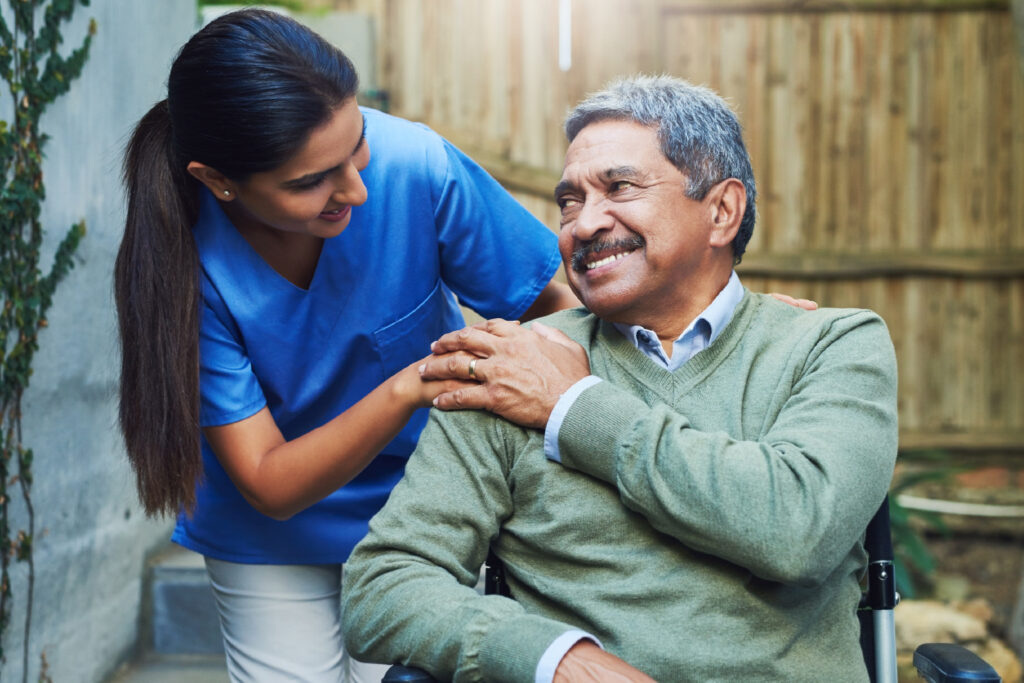
Surgery takes a lot out of an elderly person. More than most families expect. Your parents come home from the hospital looking okay on the surface. But they are exhausted. They are in pain. They are scared to move. And they need someone watching them constantly.
The problem is life doesn’t stop for everyone else. You have work. You have your own responsibilities. You cannot be there every hour of every day. And that is where things start going wrong.
What Actually Happens in the First Week Home
The first week after surgery is critical for elderly patients. Your parents leave the hospital, but they are still fragile. They cannot manage basic things alone. Bathing is dangerous. Cooking is impossible. Even walking to the bathroom carries fall risk.
Families handle this week in different ways. Some take turns. Some hire whoever is available quickly. Some leave their parents managing alone with check-in calls. None of these options is good enough, honestly.
What your parents need in this window is someone who knows their surgery specifically. Someone who understands what movements to avoid. Someone who can spot an infection starting before it becomes serious. Someone who is just there.
Why Personalised Care Changes Recovery
Generic care and personalised care are very different things. A generic caregiver follows basic instructions. A personalized caregiver learns about your parents.
They understand your parent’s pain threshold. They know your parent’s normal appetite and sleep patterns. They recognise when your parent’s behaviour is slightly off from their usual baseline. This matters enormously after surgery because complications rarely announce themselves loudly. They start as small, easy-to-miss changes.
Families searching for “elderly care Bangalore” often focus on physical assistance. That part is important. But the real value of personalised care is that someone who knows your parents well catches problems early. Before a small infection becomes a hospitalisation. Before low appetite becomes dangerous weight loss.
Managing Medicine and Pain Properly
Pain management after surgery is tricky. Your parent needs medicine at specific times. Too little and they are suffering unnecessarily. Too much creates different problems. Missing doses means pain spikes that set recovery back.
A trained caregiver tracks all of this. They know the schedule. They watch how your parent responds. They notice if medicine doesn’t seem to be working well and communicate that to the doctor.
When pain is controlled properly, your parent actually rests. Real rest is when healing happens. This is one of the ways personalised elder care at home speeds up post-operative recovery.
The Mental Health Side
This part does not get enough attention. Surgery affects elderly people mentally in ways families don’t always anticipate. Your parent feels helpless. They hate depending on others. They feel like a burden sometimes. They stare at the ceiling and worry. Some days they genuinely lose the will to try getting better.
This is not alarming. It happens regularly with elderly post-surgery patients, and it directly slows physical recovery. A person who is depressed doesn’t eat well. Doesn’t sleep properly. Doesn’t push through the discomfort of recovery exercises.
Having someone there every single day changes this completely. The caregiver is company. They talk to your parent. They listen. They encourage without pushing too hard. Your parent’s day has a rhythm and a human presence in it.
Mental health and physical recovery are not separate things. They affect each other constantly.
Bangalore’s Environment Matters Too
Bangalore’s weather is generally kind, but the city’s pace is not. Families here are busy. Extended family support has thinned out compared to earlier generations. An elderly parent recovering at home in Bangalore often ends up more alone than anyone planned.
Families searching for “elder care at home” in Bangalore are usually dealing with exactly this situation. Everyone wants to help, but nobody can consistently be there.
A personalised caregiver fills this gap without disrupting your parent’s familiar environment. Your parent stays home. Their own room. Their own routine. Their own things around them. Recovery in familiar surroundings is genuinely better for elderly people both physically and mentally.
Start Before the Crisis Point
Most families arrange care after something goes wrong. Better to have the right person in place before discharge so they can learn your parent’s baseline from day one.
Talk to your parent’s surgeon about what recovery needs. Then find the right elderly care in Bangalore. Your parent’s recovery depends on getting this right.
