

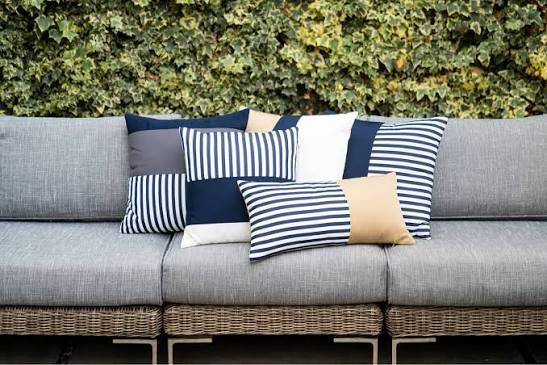
Outdoor living areas are meant to be comfortable, but a beautiful sun lounger is not much use if sitting on it feels like resting on a wooden bench. This is where outdoor sun lounge cushions make a real difference. The right cushion can turn a basic lounger into a comfortable place for reading, relaxing, enjoying a morning coffee, or spending a lazy afternoon in the garden.
Choosing outdoor cushions, however, is not quite the same as choosing cushions for an indoor sofa. Outdoor furniture has to deal with sunlight, rain, humidity, dust, temperature changes, and regular use. Fabric and filling therefore need to be selected with the environment in mind. Outdoor cushion fabrics are commonly designed with features such as UV resistance, water resistance, mildew resistance, and faster drying.
The good news is that there are now plenty of attractive options available. From simple neutral cushions to bold colors and contemporary patterns, outdoor sun lounge cushions can provide both comfort and personality. The trick is knowing what features actually matter before making a purchase.
Why Outdoor Sun Lounge Cushions Are Worth It
The most obvious benefit of outdoor sun lounge cushions is comfort. A properly padded cushion gives the body more support than a bare metal, wooden, or plastic lounger. This becomes particularly noticeable when you plan to spend a long time outside rather than simply sitting down for a few minutes.
A comfortable cushion can also make an outdoor space feel more inviting. A garden lounger with a well-fitted cushion looks less like functional patio furniture and more like a genuine relaxation area. Add a small side table, a few outdoor pillows, and some greenery, and even a modest patio can become a pleasant retreat.
There is also a practical benefit. Cushions can help protect the surface of a lounger from direct contact with the user while adding an extra layer between the furniture and everyday wear. With proper care, quality outdoor cushions can remain comfortable and attractive for years.
Choosing the Right Outdoor Cushion Material
The fabric covering is one of the most important parts of an outdoor cushion. Unlike indoor upholstery, outdoor fabric needs to cope with exposure to sunlight and moisture. Solution-dyed acrylic is widely regarded as a strong premium option because the color is incorporated into the fiber itself, improving resistance to fading.
Olefin is another popular choice. It can offer good resistance to moisture and fading while often costing less than premium acrylic fabrics. This makes it an interesting option for buyers who want reasonable outdoor performance without paying top-tier prices.
Polyester is also widely available, particularly in more affordable cushions. Its performance can vary considerably depending on how it is treated and manufactured. UV-treated or solution-dyed polyester can be more suitable for outdoor use than ordinary fabric, so it is worth checking the specifications instead of judging the material simply by its name.
UV Resistance Matters More Than You Might Think
Sunlight can be one of the biggest challenges for outdoor furniture. Even when cushions remain dry and clean, constant UV exposure can gradually cause colors to fade and materials to deteriorate.
This is why UV resistance should be one of the first specifications to check when choosing outdoor sun lounge cushions. Solution-dyed fabrics are particularly useful because the pigment is integrated into the fiber rather than simply sitting on its surface. This construction can provide better long-term color stability in sunny environments.
That does not mean an outdoor cushion should be left in direct sunlight indefinitely. Even high-performance fabrics benefit from sensible care. When the lounger is not being used for extended periods, moving the cushions into shade or storing them appropriately can reduce unnecessary exposure and help preserve their appearance.
Water Resistance and Quick-Drying Construction
Rain is another major consideration. A cushion advertised as “water resistant” is not necessarily completely waterproof, and that distinction matters. Water-resistant fabric can repel a certain amount of moisture, while the internal construction determines how quickly any moisture that does enter the cushion can escape.
Quick-drying cushion fills are particularly useful for outdoor furniture. Some outdoor cushions use open-cell or self-draining construction that allows water to move through the interior rather than becoming trapped. Manufacturers such as Tropitone recommend standing wet cushions on their sides to encourage drainage and airflow.
Even the best outdoor cushion should not be left sitting in standing water. After heavy rain, allow cushions to dry completely before covering or storing them. Keeping moisture trapped inside a cushion for long periods is simply asking for trouble.
Getting the Size and Fit Right
A cushion can have excellent fabric and filling, but if it does not fit the lounger properly, it will still be disappointing. Before buying, measure the length, width, and thickness of the existing cushion or the seating surface.
Pay attention to the shape as well. Some sun loungers have straight rectangular surfaces, while others taper toward the foot end or include curved sections. A generic rectangular cushion may technically fit but leave awkward gaps or overhang the frame.
Thickness also affects comfort. A thicker cushion can provide a softer feel, but thicker is not automatically better. The ideal thickness depends on the lounger design, the firmness of the filling, and how much support you prefer. A well-constructed medium-thickness cushion can sometimes feel considerably better than a cheaply made oversized one.
Choosing the Right Filling
The filling inside a cushion is just as important as the fabric outside. Foam is commonly used when firm, supportive seating is desired, while fiber-based fillings can create a softer and more relaxed feel.
For outdoor applications, quick-drying foam can be particularly useful because its structure allows water to drain more efficiently. Some outdoor furniture manufacturers use specialized foam and polyester constructions specifically designed to handle moisture and frequent outdoor use.
Think about how you actually use the lounger. If you sit upright while reading, you may prefer firmer support. If the lounger is mainly used for relaxing or sunbathing, a softer cushion may feel more comfortable. There is no universal answer; the best filling is the one that matches your preferred sitting position.
Style Can Transform an Outdoor Area
Practicality does not mean outdoor cushions have to look boring. In fact, cushions are one of the easiest ways to introduce color and personality into a patio or garden.
Neutral shades such as beige, cream, grey, and charcoal can create a calm, sophisticated appearance. These colors also tend to work well with wooden, metal, and woven furniture. If your outdoor space already contains plenty of color, neutral cushions can prevent the area from looking visually crowded.
On the other hand, bright blue, green, terracotta, or patterned cushions can make a simple outdoor setting much more interesting. Think about the surrounding plants, walls, flooring, and furniture before choosing a color. A cushion should complement the environment rather than fight with everything around it.
Easy-Care Features to Look For
Outdoor furniture gets dirty. There is no elegant way around that fact. Dust, leaves, pollen, food, sunscreen, and unexpected bird contributions can all find their way onto cushions eventually.
Removable covers can make maintenance considerably easier. Depending on the fabric and manufacturer’s instructions, covers may be cleaned using gentle soap and water or other approved methods. Outdoor furniture manufacturers generally recommend avoiding harsh detergents, abrasive brushes, and inappropriate cleaning chemicals.
Deal with spills sooner rather than later. Fresh marks are usually easier to remove than stains that have been allowed to sit in the fabric. Regular light cleaning is also preferable to waiting until the cushion becomes heavily soiled and then attempting a dramatic rescue operation.
How to Extend the Life of Your Cushions
Good maintenance can make a significant difference. One of the simplest habits is to avoid leaving cushions unnecessarily exposed to harsh weather when the furniture is not being used.
During long periods of non-use, store cushions somewhere dry and well ventilated or use suitable furniture covers. Some manufacturers specifically recommend storing cushions during winter or extended periods of non-use.
After rain, give cushions enough time to dry fully. Do not seal damp cushions under protective covers because trapped moisture can create an unpleasant environment inside the fabric and filling. Good airflow is your friend.
Are Premium Outdoor Cushions Worth the Money?
Price is always a consideration, but buying the cheapest option is not necessarily the best way to save money. A cushion that fades quickly, loses its shape, or becomes uncomfortable may need replacing much sooner than a better-made alternative.
Premium outdoor fabrics can offer stronger resistance to fading and weather exposure, particularly when they use solution-dyed fibers and purpose-built outdoor construction.
That does not mean everyone needs the most expensive cushion available. If your lounger sits under a covered patio and is only used occasionally, a mid-range option may be perfectly adequate. If it sits outside in direct sunlight throughout the summer, investing in better fabric and filling can make considerably more sense.
Final Thoughts
The best outdoor sun lounge cushions combine comfort, durability, weather resistance, and good design. Rather than choosing based solely on color or price, look at the complete construction: fabric type, UV resistance, water handling, filling, dimensions, stitching, and maintenance requirements.
Solution-dyed acrylic is a strong choice for buyers who prioritize long-term outdoor performance, while olefin and quality treated polyester can provide useful alternatives at different price points.
Most importantly, choose cushions that genuinely suit your lounger and your outdoor environment. Measure carefully, consider how much sun and rain the furniture receives, and think about where the cushions will be stored when they are not being used. With the right combination of material, fit, and care, a simple sun lounger can become one of the most comfortable and enjoyable places in your outdoor space.
