

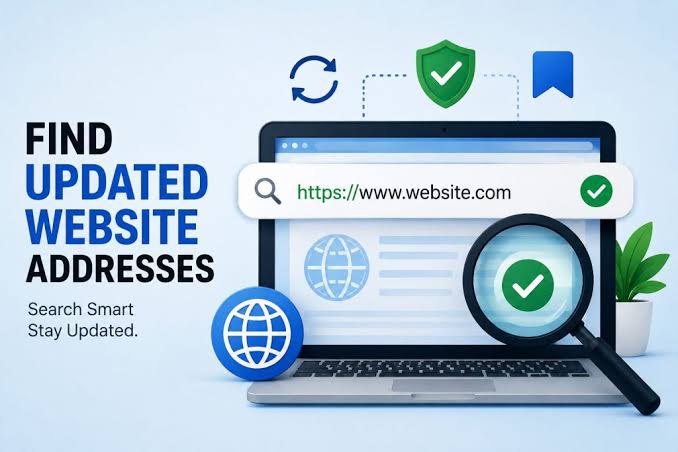
Finding a website should be easy, but changing domains have made the process more complicated for many internet users. A saved bookmark may suddenly stop working, an old address may redirect somewhere unexpected, or several websites with nearly identical names may appear in search results.
The situation becomes particularly confusing when users already know the service they want but do not know its current web address.
Understanding how to verify a destination can make browsing both faster and safer.
Why Old URLs Remain Online
When a website moves to a new domain, the previous address does not instantly disappear from the internet.
Old links can remain in search engines, blogs, community posts, browser histories, messaging apps, and social networks for months or even years. Depending on how the website migration was handled, the old domain might redirect visitors correctly, display an outdated page, or stop responding altogether.
This is why searching only by an old URL is not always reliable.
Instead, users should identify the service name first and then confirm which address is currently associated with it.
Start With More Than One Signal
There is rarely a single method that works in every situation.
An official social media account may announce a domain change. A search engine may have indexed the new address. Community discussions may mention the migration, while a frequently updated directory can provide another reference point.
Korean users looking for organized website information may also encounter directory-style resources such as 주소킹 which can be used as one of several references when searching for frequently accessed destinations.
The important principle is not to trust a URL merely because it appears in one location.
When possible, compare multiple signals before treating an unfamiliar address as legitimate.
Look Carefully at the Domain Name
Fake or unrelated websites often depend on users reading a domain too quickly.
A domain may contain an additional letter, a different extension, an unexpected hyphen, or a word that looks very similar to the original brand. On a small mobile screen, these differences can be surprisingly easy to overlook.
Before interacting with a website, users should check:
- The exact spelling of the domain
- Whether HTTPS is enabled
- Whether the page immediately requests unusual permissions
- Whether the site asks for information that seems unnecessary
- Whether the address matches other reliable references
HTTPS alone does not prove that a website is trustworthy, but the absence of basic security protections should still be treated cautiously.
Be Careful With Search Advertisements
Search engines are useful for locating changed domains, but the first result is not necessarily the official destination.
Sponsored listings can appear above normal search results, and users who are in a hurry may click them without checking the displayed domain. Similar-looking websites sometimes take advantage of this behavior.
Reading the domain before clicking is a simple habit that can prevent many mistakes.
Users can also search the service name together with terms such as “official website,” “new address,” or the current year to narrow the results.
Clean Up Old Bookmarks
Once the correct address has been identified, updating saved information is equally important.
Leaving an old bookmark in a browser increases the chance of repeating the same search later. Users should delete outdated bookmarks and replace them with the verified destination.
Browser autocomplete can also preserve old addresses even after bookmarks have been removed. Clearing individual history suggestions or outdated browsing records may therefore be useful after a website migration.
This small maintenance step can make future navigation considerably easier.
Mobile Browsing Requires Extra Attention
Domain verification can be harder on smartphones because browsers often display less of the full URL.
Users should tap the address bar and inspect the complete domain when there is any uncertainty. Links opened inside messaging or social media applications can also appear in an in-app browser, making the destination less obvious.
Opening an uncertain link in a regular browser before entering sensitive information can provide a clearer view of the URL.
Build a Reliable Navigation Routine
The easiest way to deal with changing addresses is to develop a consistent verification process.
Start with the name of the service rather than relying entirely on an old URL. Compare search results, official announcements, and organized directory information. Examine the final domain carefully and update bookmarks after confirming the correct destination.
No directory, search engine, or community post should be treated as infallible. Each is simply another source of information.
As websites continue to migrate between domains, users who combine convenient navigation tools with basic verification habits will have a much easier time finding the destinations they actually intended to visit.
