

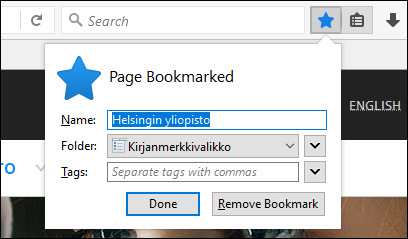
Bookmarks are designed to make browsing faster, but they can create confusion when a website changes its address or reorganizes its pages. A saved link may stop opening, redirect to another domain, or lead to a page that no longer contains the expected information.
Instead of replacing an old bookmark with the first result found online, readers should compare addresses carefully and confirm the final destination before saving it.
Why Saved Addresses Stop Working
A website address may change for several ordinary reasons, including:
- domain management
- server migration
- platform upgrades
- security maintenance
- branding changes
- page restructuring
- removal of an older URL
A broken bookmark does not always mean that the entire service has disappeared. The specific page may have moved while the main website remains available.
Check the Complete Domain
Page titles and logos can look familiar even when the domain is different.
Before using or saving an address, readers should examine:
- spelling
- domain extension
- added numbers
- additional words
- unusual hyphens
- unfamiliar subdomains
Small differences are especially difficult to notice on mobile browsers because only part of the address may be visible.
Tapping the address bar usually reveals the complete URL.
Compare Several Recent Sources
Relying on one search result may lead to an outdated page. Search results can continue displaying older URLs after a site has changed its structure.
Readers should compare:
- a previously verified bookmark
- recent search results
- updated notices
- browser history
- a trusted reference page
- official announcements where available
Those checking current information associated with 북토끼 주소 should compare the domain and surrounding details before replacing an existing bookmark.
The goal is not merely to find another link. It is to confirm that the final page matches the destination the reader intended to visit.
Separate Advertisements From Regular Results
Search engines often place sponsored listings above ordinary search results.
A sponsored result is not automatically unsafe, but readers should still check:
- whether it is labeled as an advertisement
- the visible domain
- the page description
- the final address after opening
- whether several redirects occur
The first listing is not necessarily the most relevant destination.
Review the Publication Date
An article about a website address may remain indexed long after its information becomes outdated.
Before following a guide, check:
- publication date
- latest update date
- whether the displayed domain still opens
- whether newer information exists
- whether the page refers to an older version
Recent information is generally more useful when addresses have changed multiple times.
Check Browser Autocomplete
Browsers remember addresses entered in the past and automatically suggest them later.
This feature may continue recommending:
- an old domain
- a misspelled address
- an expired page
- a redirect URL
- a temporary path
When an outdated suggestion appears, readers should remove it from browser history, type the verified address manually, and save a new bookmark.
Otherwise, the browser may repeatedly return to the wrong destination.
Inspect Mobile Home-Screen Shortcuts
A website saved to a mobile home screen may look like an application, but the icon still points to a specific URL.
After an address change:
- open the old shortcut
- inspect the final domain
- remove the outdated icon
- verify the replacement page
- create a new shortcut
Keeping several similar icons can make it difficult to remember which one is current.
Avoid Saving Intermediate Redirects
Links shared through messages and social media may pass through tracking or shortening services.
Before bookmarking a page:
- wait for loading to finish
- check the final domain
- confirm that the page matches the expected purpose
- avoid saving the shortened link
- save the direct destination instead
Direct bookmarks are easier to understand and less likely to fail because an outside redirect service changes.
Be Careful With Similar-Looking Domains
Unrelated domains may use small variations of a familiar name.
Common differences include:
- one missing letter
- repeated characters
- different extensions
- extra numbers
- words such as “new” or “official”
- unnecessary hyphens
Readers should judge a destination by the complete address rather than by the page title alone.
Watch for Unexpected Requests
A reading or address-information page should not immediately require unrelated actions.
Be cautious when a page asks for:
- unknown software installation
- browser extensions
- repeated notification permission
- automatic downloads
- unnecessary personal information
- unrelated payment details
When a request does not match the purpose of the page, closing the tab and checking the address again is usually safer.
Keep Uncertain Links Separate
Readers do not have to accept or delete an uncertain link immediately. It can be placed inside a temporary folder until it has been verified.
Possible folder names include:
- Verify Later
- Old Addresses
- Pending Updates
- Archive
After comparing the page with a recent source, the reader can move the correct link into the main folder or remove it.
Update Bookmarks Carefully
When a replacement address has been confirmed:
- remove the outdated bookmark
- save the final verified destination
- rename it clearly
- test it a second time
- remove obsolete shortcuts and history entries
Keeping both old and new addresses in the main folder often creates unnecessary confusion.
Perform a Monthly Address Review
Frequently used bookmarks should be reviewed periodically.
A monthly check may include:
- opening important bookmarks
- confirming final domains
- removing duplicates
- replacing unavailable pages
- checking browser shortcuts
- deleting links that are no longer needed
This routine takes only a few minutes and helps keep the collection accurate.
Use Authorized Sources Whenever Possible
Readers should also confirm whether the content they access is authorized and legally available in their region.
A bookmark folder for legitimate resources may include:
- official publishers
- licensed reading platforms
- creator websites
- public libraries
- subscription services
- official free releases
Prioritizing authorized sources supports creators and reduces confusion about which versions are officially distributed.
Keep Backups Before Large Changes
Before deleting or reorganizing many bookmarks, readers can export a backup file from the browser.
The backup should be:
- saved privately
- labeled with the date
- stored away from public folders
- updated after major changes
- deleted when it becomes obsolete
This allows important links to be recovered if something is removed accidentally.
Final Thoughts
Website addresses can change, while old search results, bookmarks, and browser suggestions remain visible. This makes careful verification an important part of everyday browsing.
Readers should inspect the full domain, compare several recent sources, avoid saving redirects, and replace outdated bookmarks only after confirming the final destination.
A verified bookmark saves more time than repeatedly searching for the same page and reduces the chance of opening an unrelated or obsolete address.
