

The Modern Landscape of Construction
In the world of modern construction, the choice of insulation material has become far more than a technical decision. It shapes how buildings perform, how long they last, and how well they withstand the increasingly harsh conditions of the region. Whether a structure is designed for industrial use, infrastructure, or residential comfort, the materials chosen at the earliest stages often determine the lifespan and resilience of the entire project. This is especially true in climates where heat, humidity, and corrosion work relentlessly against the built environment.
Across the Gulf, developers and engineers have become more intentional about the systems they specify. They are no longer looking for products that simply “meet requirements.” They want solutions that anticipate challenges, reduce long-term maintenance, and support sustainability goals. This shift has opened the door for more advanced construction technologies, materials engineered not just to perform, but to endure.
One of the most significant changes in recent years is the move away from traditional, reactive repair cycles toward proactive protection. Instead of waiting for concrete to crack or steel to corrode, asset owners are investing in systems that prevent deterioration from the start. This is where specialised construction chemicals, corrosion-control technologies and engineered composites have stepped into the spotlight.
The Importance of GRP
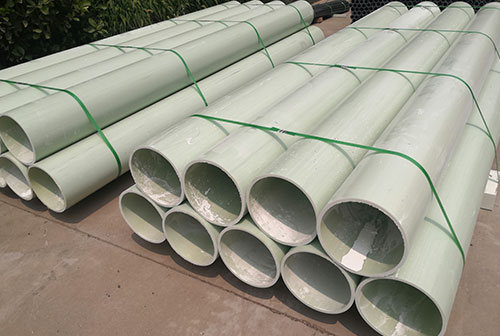
In the middle of this evolution sits a category of products that has quietly become indispensable: grp material. Glass-reinforced polymers have transformed the way engineers think about durability. Unlike metals, they do not rust. Unlike wood, they do not warp or decay. And unlike many conventional composites, they offer a rare combination of strength, flexibility and chemical resistance. These qualities make them ideal for environments where moisture, salt, chemicals or temperature fluctuations would quickly compromise traditional materials.
What makes this material particularly compelling is its versatility. It can be moulded, shaped, layered and engineered to meet the demands of almost any application. In industrial settings, it is used for tanks, pipes, gratings and platforms because it resists corrosion far better than steel. In infrastructure, it appears in bridge components, utility enclosures and reinforcement systems. Even in architectural contexts, it is valued for its lightweight nature and design flexibility. The material’s ability to maintain structural integrity without constant maintenance has made it a favourite among engineers who are responsible for long-term asset performance.
The Rise of Advanced Materials
But the rise of advanced materials is not limited to composites alone. Construction chemicals have also undergone a quiet revolution. Repair mortars are now engineered to bond more strongly and cure more predictably. Protective coatings are formulated to resist UV exposure, chemical attack and abrasion. Waterproofing systems have become more reliable, more adaptable and easier to apply. Dry-mix products have improved consistency and reduced on-site errors. And corrosion-control technologies, once considered niche, are now central to the region’s infrastructure strategy.
These innovations share a common purpose: extending the life of buildings and infrastructure while reducing the cost and frequency of repairs. In a region where environmental stressors are intense and continuous, this shift is not just practical; it is essential.
The conversation around durability also extends to maintenance. Building owners are increasingly aware that the long-term health of a structure depends on more than just the materials used during construction. It requires a maintenance strategy that is proactive, informed, and technically sound. This is why specialised maintenance divisions have become so important. They understand the behaviour of materials over time, the early signs of deterioration, and the interventions required to prevent small issues from becoming costly failures.
As the industry continues to evolve, one trend is becoming clear: the future belongs to materials and systems that combine performance with longevity. Engineers and developers are no longer satisfied with solutions that simply “work for now.” They want materials that stand up to the realities of the environment, reduce operational costs, and support sustainable development goals.
This brings us back to the role of engineered composites in the broader construction ecosystem. Among these, the grp sheet has emerged as one of the most practical and adaptable forms. Lightweight yet strong, resistant yet workable, it offers a balance that few other materials can match. Whether used as cladding, roofing, protective lining or structural reinforcement, it provides a dependable barrier against moisture, chemicals and environmental wear. Its stability over time makes it a smart choice for projects that demand both performance and predictability.
A Shift in the Industry
In many ways, the rise of advanced materials reflects a deeper shift in the industry’s mindset. Construction is no longer just about building; it is about preserving. It is about designing structures that remain safe, functional, and efficient for decades. And it is about choosing materials that support that vision from the very beginning.
As the region continues to grow, the demand for smarter, more resilient solutions will only increase. Whether through high-performance chemicals, corrosion-control technologies or engineered composites, the future of construction will be shaped by materials that do more than fill a specification; they redefine what durability means.