

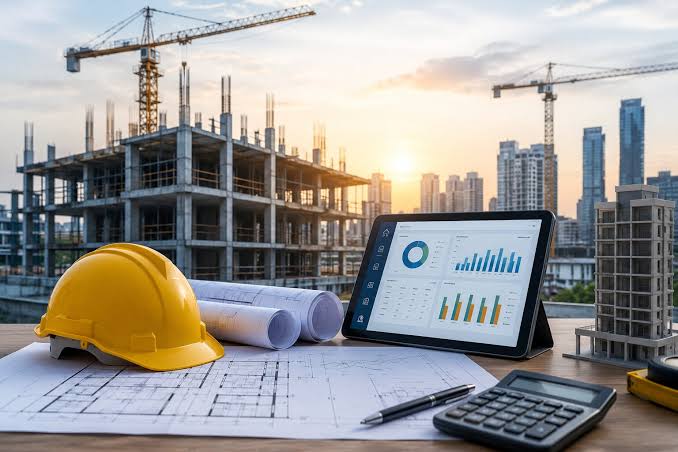
Construction projects involve multiple teams, suppliers, materials, budgets, schedules, and site activities, all of which require efficient coordination. Managing these functions through disconnected spreadsheets and manual processes can create information gaps, administrative delays, cost overruns, and difficulties in monitoring project progress. As construction businesses grow, integrated digital systems are becoming increasingly important for connecting operational and financial activities.
Organizations are increasingly adopting an advanced construction ERP software solution to centralize project information, automate workflows, manage resources, and improve financial visibility. By connecting construction operations with procurement, accounting, inventory, workforce management, and reporting, integrated platforms help businesses make informed decisions while maintaining better control over project performance and operational efficiency.
Integrated Construction Management Systems
Modern construction management requires connected processes that allow project teams, finance departments, procurement professionals, and management to access reliable information throughout the project lifecycle.
- Centralizing Project Information
Construction projects generate extensive information involving contracts, schedules, purchase orders, invoices, workforce details, material requirements, and progress reports. Integrated ERP platforms bring these records together in a central environment, enabling teams to access information efficiently, coordinate activities, and maintain greater visibility throughout project execution.
- Improving Project Planning
Effective planning keeps construction projects aligned with deadlines, budgets, and resource requirements. Digital ERP systems help managers organize activities, assign resources, monitor schedules, and track progress against milestones. Better visibility enables teams to identify potential delays earlier and coordinate project requirements with procurement, workforce availability, and financial planning.
- Managing Construction Resources
Construction companies depend on efficient management of labor, equipment, materials, and subcontractors. Integrated systems provide greater visibility into resource requirements and utilization, helping project managers coordinate resources, reduce wastage, and improve productivity. Better resource management also supports accurate planning as projects move through different construction stages.
- Connecting Site and Office Operations
Communication between construction sites and administrative offices is essential for maintaining project control. ERP platforms connect operational and administrative functions, allowing information to move efficiently between teams. Site managers can provide updates while finance and management teams gain better visibility into project conditions, supporting faster communication and coordinated decision-making.
Supporting Advanced Construction ERP Software
Construction businesses manage complex activities, including project planning, procurement, inventory management, accounting, workforce coordination, and financial reporting. Managing these functions through separate systems can create information gaps and administrative challenges. As operations expand, integrating these processes becomes increasingly important for maintaining efficiency and control.
By adopting advanced construction ERP software, organizations can integrate operational and financial functions into a centralized digital environment. This improves information flow, supports better coordination between site and office teams, and provides greater visibility into project progress and costs. Automated workflows can also reduce repetitive administrative tasks, improve resource management, strengthen financial control, and support faster decision-making. Such integration enables construction companies to manage complex projects more efficiently while supporting scalability and long-term operational growth.
Financial Control Across Construction Projects
Financial management is closely connected to construction performance because project profitability depends on effective budgeting, cost control, procurement, and timely financial reporting.
- Improving Budget Management
Construction projects operate within defined financial limits, making accurate budget monitoring essential. Digital systems allow organizations to compare planned expenditure with actual costs and identify financial deviations early. Regular monitoring helps project managers and finance teams investigate unexpected expenses and maintain stronger financial discipline throughout project execution.
- Monitoring Project Costs
Construction expenses include materials, labor, equipment, subcontractors, transportation, and other operational requirements. Integrated ERP systems capture financial information across activities, helping teams monitor costs accurately. This visibility enables businesses to identify cost trends, evaluate project performance, and take timely action when expenditure moves away from planned levels.
- Streamlining Procurement Management
Procurement directly affects construction schedules and project costs. ERP platforms connect purchasing activities with project requirements, inventory, supplier information, and financial records. Businesses can manage purchase requests, approvals, purchase orders, deliveries, and invoices through connected workflows, supporting timely purchasing decisions and improved supplier coordination.
- Managing Invoices and Payments
Construction businesses handle invoices from suppliers, subcontractors, and service providers. Integrated systems help manage invoices alongside purchase orders and project information, improving approval processes and visibility into outstanding payments. Better invoice management reduces administrative delays while supporting stronger financial organization and supplier relationships.
Digital Transformation for Construction Growth
As construction businesses manage larger projects and increasingly complex operations, integrated technology can support scalability, transparency, collaboration, and better decision-making.
- Enhancing Workforce Management
Construction projects rely on skilled workers, supervisors, engineers, and other personnel. Integrated ERP systems centralize workforce information while connecting employee management with project requirements. Better visibility helps managers allocate personnel according to project needs, monitor labor costs, and improve coordination across construction sites.
- Improving Inventory Visibility
Construction projects require continuous access to materials, tools, and equipment. Digital ERP platforms provide information about inventory levels, material movements, consumption, and replenishment requirements. Connecting inventory with procurement and project planning helps maintain suitable stock levels, reduce material wastage, and ensure essential resources are available when required.
- Strengthening Compliance Management
Construction organizations must manage contracts, safety requirements, financial controls, labor documentation, and other obligations. ERP platforms support structured documentation and centralized record management, making important information easier to access and review. Automated workflows improve approval controls and accountability while supporting consistent operational practices.
- Supporting Data-Driven Decisions
Construction businesses generate substantial operational and financial data throughout every project. Integrated ERP systems consolidate this information into reports and dashboards that support analysis. Managers can review project progress, expenditures, resource utilization, procurement activities, and financial performance, helping them identify inefficiencies and make better strategic decisions.
Conclusion
Construction businesses increasingly require connected technology to manage projects, resources, procurement, financial activities, and workforce requirements effectively. Integrated ERP systems improve visibility, reduce administrative complexity, and support informed decision-making across planning, inventory, budgeting, procurement, compliance, and financial reporting. Businesses evaluating top construction software providers in Saudi Arabia should consider solutions that combine construction-specific functionality with financial management, operational integration, scalability, and reliable reporting. Selecting the right platform can strengthen project control while supporting long-term digital transformation and business growth.
For organizations seeking an integrated construction management solution, ePROMIS provides enterprise software that connects construction operations with financial and business management processes. They support project management, accounting, procurement, inventory, human resources, and reporting, helping construction organizations improve visibility, streamline workflows, and manage complex operations through a connected digital environment.
