

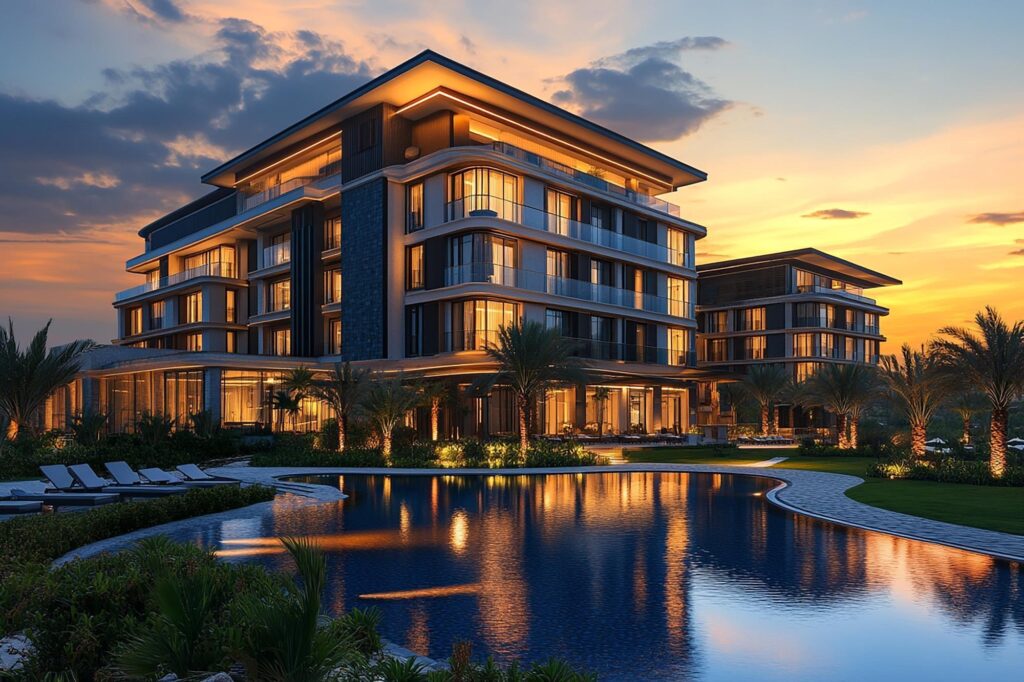
A well-designed property may capture your attention, but the developer behind it ultimately determines whether that promise becomes reality. From construction quality and legal compliance to timely possession and after-sales support, every aspect of the buying experience reflects the developer’s credibility and commitment. While attractive brochures and model apartments showcase a project’s highlights, they often leave important questions unanswered.
Buyers exploring the best luxury real estate should look beyond visual appeal and evaluate the company responsible for delivering the project. Asking the right questions before making a decision not only helps uncover potential risks but also provides valuable insight into the developer’s transparency, reliability, and long-term vision. An informed buyer is far more likely to make a confident investment that delivers lasting value.
1. How Experienced Is the Builder?
A developer’s experience often reflects their ability to deliver quality projects consistently. Companies with a strong track record are generally better equipped to manage construction, comply with regulations, and meet delivery schedules.
Before making a decision, ask about:
- Number of completed projects.
- Years of experience in the industry.
- Types of developments completed.
- Customer testimonials and reviews.
- Delivery history.
Visiting a completed project is one of the best ways to judge whether the builder’s promises match reality.
2. Does the Project Have All Legal Approvals?
Legal verification is one of the most important steps in buying a property. Even an attractive project can become problematic if approvals are incomplete or documentation is unclear.
Request information about:
- RERA registration.
- Title deed.
- Land ownership.
- Building approvals.
- Occupancy certificate, where applicable.
- Encumbrance certificate.
A reputable developer should willingly provide these details. If anything seems unclear, seek advice from a qualified legal professional before proceeding.
3. What Is Included in the Total Property Cost?
Many buyers focus only on the quoted selling price and overlook additional expenses. Understanding the complete financial commitment helps you avoid unexpected costs after booking. A transparent pricing structure makes it easier to compare projects and plan your finances with confidence.
Ask for a detailed cost sheet that includes:
- Registration and stamp duty.
- GST, if applicable.
- Parking charges.
- Maintenance deposits.
- Clubhouse or amenity fees.
- Utility connection charges.
- Documentation costs.
4. What Is the Expected Possession Timeline?
A delayed project can affect both your finances and future plans. Understanding the expected possession date allows you to prepare for loan repayments, rental commitments, or relocation. Clear answers indicate that the developer values transparency and accountability.
While discussing timelines, ask:
- What is the estimated completion date?
- Is the possession schedule mentioned in the agreement?
- What happens if construction is delayed?
- Are compensation clauses included?
5. What Construction Standards Do You Follow?
The quality of construction determines how well a property performs over the years. Instead of relying on marketing material, ask specific questions about workmanship and the materials used throughout the project.
Consider checking the following:
- Structural quality.
- Flooring materials.
- Plumbing systems.
- Electrical fittings.
- Waterproofing methods.
- Ventilation and natural lighting.
- Fire and safety features.
If possible, visit another completed development by the same builder. Seeing the finished work firsthand provides a much clearer understanding of construction quality than brochures or model apartments alone.
Expert Insight: A well-built property may cost slightly more initially, but it often reduces maintenance expenses and delivers better long-term value, making it a smarter investment.
6. What Amenities Are Actually Part of the Project?
Modern developments often promote lifestyle amenities to attract buyers. However, it is important to understand which facilities are included in the final project and whether they will be available at the time of possession.
Ask the developer about:
- Clubhouse and community spaces
- Gym and fitness facilities
- Children’s play area
- Landscaped gardens
- Security systems
- Visitor parking
- Power backup
- Water supply arrangements
Request these details in writing whenever possible. This helps ensure there is no confusion between proposed amenities and those that are contractually promised.
7. How Will Maintenance Be Managed After Possession?
Buying a property is only the beginning of ownership. The quality of maintenance directly affects your living experience and the property’s long-term value.
Discuss important points such as:
- Monthly maintenance charges
- Maintenance agency or management team
- Common area upkeep
- Security services
- Waste management
- Facility management support
A professionally maintained community not only provides a better lifestyle but also helps preserve the property’s resale value.
8. How Does This Project Compare with Other Options?
Instead of comparing projects only by price, evaluate the overall value they offer. Buyers looking for the best luxury real estate should carefully assess construction quality, location, future growth potential, connectivity, and lifestyle benefits before making a decision.
A simple comparison should include:
- Builder’s reputation
- Project location
- Construction quality
- Amenities offered
- Future appreciation potential
- Connectivity to schools, hospitals, and workplaces
Looking beyond the price often helps identify a property that delivers greater value over the long term.
9. What Are the Payment Plans and Financing Options?
Understanding your financial commitments in advance can prevent unnecessary stress during the buying process. Ask whether the developer has partnerships with banks or financial institutions and whether flexible payment plans are available.
Clarify the following:
- Booking amount
- Installment schedule
- Home loan assistance
- Interest during construction
- Cancellation policy
- Refund terms
Review every financial clause carefully before signing any agreement to avoid misunderstandings later.
10. What Kind of Customer Support Is Available After the Purchase?
A trustworthy developer continues supporting buyers even after the sale is completed. Strong after-sales service reflects the company’s commitment to customer satisfaction and long-term relationships.
Find out whether the developer provides:
- Assistance during possession
- Warranty support
- Maintenance coordination
- Documentation support
- Customer care services
- Quick resolution of concerns
Developers who prioritize after-sales support often deliver a smoother ownership experience and build stronger customer trust.
Conclusion
Buying property is a major milestone, and asking the right questions is one of the simplest ways to protect your investment. Whether you are purchasing your first home or evaluating opportunities with a real estate company in India, understanding the developer’s experience, legal compliance, construction quality, pricing, and customer support can help you make a well-informed decision.
The best buyers are not those who make the fastest decisions but those who gather the right information before committing. A little extra research today can save significant time, money, and stress in the future while ensuring your investment continues to deliver value for years to come.
As you evaluate different developers, choosing one with a strong reputation for quality and transparency can make all the difference. Genurise Builders has established itself by developing thoughtfully planned residential and commercial projects that emphasize quality construction, timely delivery, and customer satisfaction. Their commitment to creating lasting value reflects the qualities discerning property buyers look for when making an important investment.
