
Commercial refrigeration systems operate for long hours, often under demanding conditions. Supermarkets, restaurants, food processing facilities, warehouses, and hospitality businesses depend on consistent cooling to protect stock, maintain hygiene, and support daily operations. A sudden equipment failure can lead to spoiled products, interrupted services, and unexpected repair expenses. Regular inspections and refrigeration maintenance help businesses identify developing faults before they affect essential operations.
Preventive care involves more than checking whether a cooling unit is running. It requires attention to airflow, temperature controls, electrical components, refrigerant levels, drainage, and mechanical performance. A planned maintenance routine also gives facility managers better visibility into equipment condition and helps them make informed decisions about repairs and replacements.
Small Equipment Issues Can Create Major Operational Problems
Commercial cooling equipment often gives early signs of trouble before a complete breakdown occurs. A refrigerator may take longer to reach its set temperature, a freezer may develop excess frost, or a condenser may produce unusual noise. Ignoring these warning signs can place additional pressure on the system.
Several factors contribute to refrigeration problems in commercial environments:
- Restricted airflow: Dust-covered condenser coils, blocked vents, and poorly arranged products can prevent proper air circulation.
- Worn mechanical components: Fans, motors, compressors, and belts can deteriorate through continuous operation.
- Faulty door seals: Damaged gaskets allow warm air to enter refrigerated spaces, forcing equipment to work harder.
- Incorrect temperature settings: Poorly calibrated thermostats may cause inconsistent cooling or unnecessary energy consumption.
- Drainage problems: Blocked drain lines can cause water accumulation, unpleasant odours, and internal damage.
- Electrical faults: Loose connections, damaged wiring, and failing control components can interrupt normal operation.
Identifying these issues during routine inspections reduces the likelihood of unexpected equipment failure.
What a Practical Inspection Routine Should Cover
A maintenance schedule should reflect the type of refrigeration equipment, its operating environment, and the manufacturer’s recommendations. Walk-in coolers, display cabinets, industrial freezers, and commercial refrigerators have different operating requirements.
A structured inspection should cover the following areas:
Condenser and Evaporator Coils
Coils transfer heat during the refrigeration cycle. Dust, grease, and other debris can accumulate on their surfaces, restricting heat transfer and increasing the workload on the compressor.
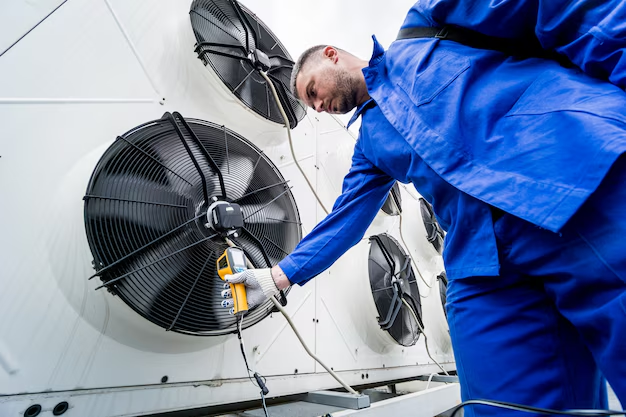
Technicians should inspect and clean accessible coils using suitable methods. They should also check for physical damage, corrosion, and signs of restricted airflow.
Refrigerant Performance
Refrigerant circulates through the system to absorb and release heat. Low refrigerant levels caused by leaks can affect cooling performance and place additional stress on components.
A qualified technician can assess operating pressures, inspect connections, and identify potential leaks. Refrigerant should never be added simply to compensate for an unexplained drop in system performance.
Door Seals and Insulation
Cold storage areas depend on effective insulation and properly fitted door seals. Even small gaps can allow warm, humid air to enter the unit.
Inspection should include:
- Checking door gaskets for cracks, gaps, and stiffness.
- Examining hinges and latches for alignment.
- Looking for damaged insulation around panels and joints.
- Confirming that doors close completely after use.
Replacing damaged seals can help maintain stable internal temperatures.
Temperature Controls and Sensors
Thermostats and temperature sensors regulate cooling cycles. Inaccurate readings can cause products to be stored outside their required temperature range.
Technicians should compare displayed temperatures with calibrated measuring equipment, inspect sensor positioning, and verify that control settings match operational requirements.
Daily Habits That Support Better Cooling Performance
Professional servicing is only one part of equipment care. Staff members also influence refrigeration performance through everyday handling practices.
Simple operating habits can reduce unnecessary strain on commercial cooling systems.
- Keep vents unobstructed: Avoid placing products directly against air outlets or return vents.
- Limit door opening times: Frequent or prolonged opening allows warm air to enter refrigerated spaces.
- Monitor temperature readings: Record temperatures at appropriate intervals and investigate unusual changes.
- Maintain cleaning standards: Remove spills, food debris, and ice accumulation according to equipment guidelines.
- Avoid overloading units: Excessive stock can restrict circulation and prevent consistent cooling.
- Report unusual sounds: Grinding, rattling, or persistent humming may indicate developing mechanical faults.
- Check surrounding conditions: Keep equipment away from unnecessary heat sources and maintain adequate ventilation around external components.
These practices help staff recognise operational changes early and provide technicians with useful information during inspections.
Building a Maintenance Schedule Around Equipment Demands
Not every refrigeration unit requires the same service frequency. A busy supermarket display cabinet may experience more frequent door openings and heavier use than a refrigerator in a small office kitchen. Industrial cold storage equipment may also operate under different environmental and workload conditions.
Facility managers should establish maintenance intervals based on manufacturer instructions, equipment age, operating hours, and previous repair history.
A practical maintenance plan can include:
| Maintenance Activity | Suggested Attention |
| Temperature monitoring | Daily |
| Door seal inspection | Weekly |
| Internal cleaning | According to usage and hygiene requirements |
| Drain inspection | During routine checks |
| Condenser coil cleaning | According to site conditions and manufacturer guidance |
| Electrical and mechanical inspection | During scheduled professional servicing |
| Refrigerant leak assessment | Whenever performance issues or suspected leaks arise |
These are general planning intervals rather than universal servicing requirements. Equipment-specific recommendations should always take priority.
Businesses can also maintain service records containing inspection dates, temperature readings, replaced components, reported faults, and completed repairs. Such records make recurring problems easier to identify and support better maintenance planning.
Why Professional Attention Matters for Commercial Facilities
Some basic cleaning and monitoring tasks can be handled by trained facility staff. However, refrigeration systems contain electrical components, pressurised circuits, and specialised controls that require appropriate technical knowledge.
Professional technicians can identify faults that may not be visible during a routine visual inspection. They can also assess compressor operation, check electrical connections, examine refrigerant circuits, and test system controls.
Facility Network supports businesses that need reliable facility management and building maintenance arrangements. Coordinating specialist servicing alongside other property maintenance responsibilities can help facility managers maintain clearer service records and address equipment concerns before they disrupt business activities.
Professional attention is particularly valuable when equipment displays repeated temperature fluctuations, develops unusual operating noises, produces excessive condensation, or struggles to maintain its normal cooling capacity.
Equipment Reliability Starts With Consistent Attention
Commercial refrigeration systems require regular care to remain dependable under continuous operating demands. Delayed repairs, neglected cleaning, and inconsistent temperature monitoring can gradually affect performance and increase the risk of product losses.
Facility managers can improve equipment oversight by assigning clear inspection responsibilities, maintaining accurate service records, and arranging professional assessments at suitable intervals. Staff should also know how to report faults and recognise changes in normal equipment behaviour.
Businesses that need support with ongoing property and equipment care can contact us today to discuss suitable facility maintenance arrangements. A consistent approach to inspections, servicing, and fault reporting helps commercial spaces maintain dependable cooling conditions while supporting the daily needs of staff, customers, and operations.
