

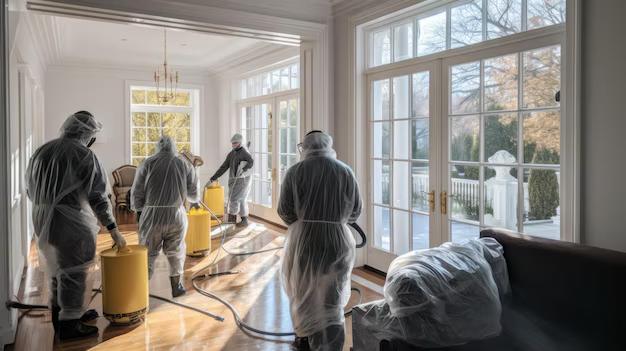
Renovation projects can give a property a completely different appearance, but the work often leaves behind more than a few visible marks. Fine dust settles on furniture, paint splashes remain on floors, adhesive residue clings to surfaces, and debris collects in corners that may have been overlooked during construction. Before residents or employees can comfortably use the space, these materials need careful attention. Professional support for cleaning after renovation can help property owners address construction residue, restore usable surfaces, and prepare rooms for regular occupancy.
The condition of a renovated property depends partly on how thoroughly it is cleaned once contractors finish their work. A freshly painted room may look ready, yet dust inside cupboards, residue on window frames, and particles around ventilation openings can affect the overall environment. A planned cleaning process addresses these less obvious areas alongside visible mess.
Construction Dust Can Travel Beyond the Work Area
Dust produced during drilling, sanding, cutting, and plastering rarely stays confined to one room. Fine particles can move through doorways, settle on ceilings, and reach furniture several metres away from the original work.
Different renovation materials also leave different types of residue. Wood dust, cement powder, drywall particles, and paint debris may require separate cleaning methods. Using the wrong equipment or technique can spread the mess rather than remove it.
Some areas deserve particular attention:
- Ceiling corners and light fittings: Fine dust can collect around fixtures and decorative details.
- Window tracks and frames: Construction particles often settle inside narrow grooves.
- Cabinet interiors: Sawdust and plaster residue can remain inside storage spaces.
- Floor edges and skirting boards: These areas frequently collect debris during building work.
- Air vents and accessible filters: Dust can accumulate around ventilation openings during renovation.
Cleaning should progress from higher surfaces towards lower ones. This allows falling dust to be collected during subsequent stages rather than settling again on already cleaned areas.
A Room-by-Room Cleaning Plan Prevents Missed Areas
Large renovation projects can leave several rooms in different conditions. A bathroom may contain grout residue, while a kitchen may have adhesive marks and fine dust inside drawers. Treating every surface in the same way can lead to unsatisfactory results.
A room-by-room plan makes it easier to identify the materials involved and select suitable cleaning methods.
Kitchen spaces
Kitchen cabinets, countertops, appliances, and splashbacks need careful inspection. Dust can enter open cupboards during construction, while sealant and adhesive marks may remain around newly installed fittings.
Useful cleaning tasks include:
- Wiping cabinet interiors and exterior panels.
- Removing dust from countertops and splashbacks.
- Cleaning appliance surfaces according to manufacturer guidance.
- Checking corners around sinks and taps for sealant residue.
- Washing accessible floors after loose debris has been removed.
Bathrooms
Bathrooms often contain traces of grout, tile adhesive, silicone, and construction dust. Newly installed tiles may also require gentle treatment to avoid damaging their finish.
Cleaning teams should inspect shower screens, taps, mirrors, sanitary fittings, tile joints, and floor drains. Suitable products should be selected according to the surface material.
Living rooms and bedrooms
These spaces may appear relatively clean once contractors remove their equipment. However, dust can remain on window ledges, wardrobes, doors, switches, and flooring.
A thorough inspection helps identify areas that need additional attention before furniture and personal belongings are returned.
Choosing the Right Cleaning Method for Each Surface
Renovated properties often contain a mixture of old and newly installed materials. Natural stone, polished timber, glass, stainless steel, ceramic tiles, and laminate surfaces each respond differently to cleaning products.
An unsuitable chemical or abrasive tool can leave permanent scratches, discolouration, or dull patches. Testing products on a small, inconspicuous area can help prevent accidental damage.
Consider these surface-specific precautions:
- Natural stone: Avoid acidic cleaners that may damage marble, limestone, and similar materials.
- Timber flooring: Use controlled moisture and products approved for the particular floor finish.
- Glass surfaces: Remove loose particles before wiping to reduce the risk of scratches.
- Stainless steel: Follow the grain when wiping and avoid abrasive scouring materials.
- Painted walls: Allow fresh paint to cure according to manufacturer instructions before washing.
- Ceramic tiles: Select suitable products for removing grout haze without damaging surrounding finishes.
The cleaning process should also account for recently installed fixtures. New taps, handles, lighting components, and cabinetry may need gentler treatment than older surfaces.
Why Professional Equipment Makes a Difference
Household cleaning equipment may be sufficient for routine maintenance, but construction residue often requires more specialised tools. Ordinary vacuums can struggle with fine particles, while basic cloths may simply move dust from one surface to another.
Professional cleaning teams use equipment suited to the type and volume of debris involved. HEPA-filtered vacuum cleaners, suitable dust extraction systems, microfibre materials, and surface-specific cleaning products can help achieve more controlled results.
For example, Klarra recognises the value of paying attention to the details that influence the condition of an interior after building work. A properly organised cleaning process considers both visible surfaces and less accessible areas that may otherwise be missed.
Professional assistance can be particularly useful for:
- Large residential properties with several renovated rooms.
- Commercial interiors undergoing extensive refurbishment.
- Properties with newly installed flooring and delicate finishes.
- Buildings where construction dust has spread beyond the original work zone.
- Spaces that need inspection before furniture installation or occupancy.
The scope of work should be discussed beforehand so that both visible cleaning requirements and additional problem areas receive appropriate attention.
Health and Indoor Air Quality Deserve Attention
Construction dust can contain particles from plasterboard, wood, cement, insulation, and other building materials. Some particles may irritate the eyes, nose, throat, or respiratory system, particularly when disturbed during cleaning.
Dry sweeping and ordinary dusting can send fine particles back into the air. Controlled vacuuming and damp wiping are generally more suitable for collecting settled dust without unnecessarily spreading it.
Ventilation also needs consideration. Opening windows can support airflow when outdoor conditions are suitable, while accessible ventilation components should be checked for accumulated residue.
Extra care is required if renovation work involved potentially hazardous materials such as asbestos or lead-based paint. These substances should never be treated as ordinary household dust. Appropriate testing and qualified remediation professionals may be necessary before general cleaning begins.
Final Inspections Help Prepare the Property for Occupancy
A property should receive a final inspection after the main cleaning work has been completed. This provides an opportunity to identify missed spots, remaining residue, or surfaces that need another cleaning pass.
The inspection should cover areas that are frequently overlooked during routine maintenance.
A practical final-check list includes:
- Checking window glass, frames, and tracks for remaining marks.
- Inspecting floors for paint droplets, dust, and adhesive residue.
- Opening cupboards and drawers to check their interiors.
- Looking behind accessible doors and around fixed furniture.
- Checking bathrooms for grout haze and water marks.
- Inspecting switches, handles, skirting boards, and light fittings.
- Confirming that construction waste and cleaning materials have been removed.
Photographs can also help document the condition of important surfaces before the property is handed over to its occupants.
Prepare Your Renovated Property for Its Next Chapter
A completed renovation deserves a finishing process that reflects the care invested in the building work. Clean surfaces, dust-free storage areas, clear windows, and properly maintained flooring help make the property comfortable and ready for everyday use. Owners should also retain suitable maintenance instructions for newly installed materials so that future cleaning does not damage their finishes.
For property owners who need assistance preparing a renovated interior, professional cleaning support can reduce the burden of handling extensive construction residue independently. Take time to understand the available services, review the cleaning requirements for your property, and know about us to learn how Klarra can support a cleaner handover and a more welcoming indoor environment.
