

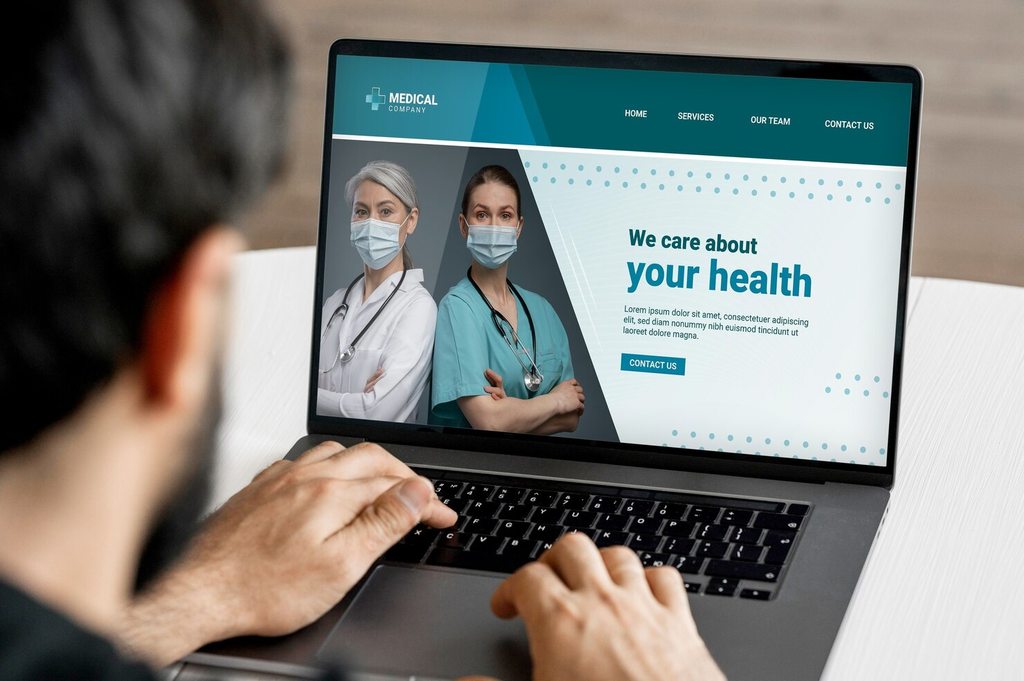
A healthcare website is not just a virtual business card; rather, it acts as an important communication medium, assisting patients in finding relevant information and availing themselves of the services provided by the healthcare organization. Yet, if the website becomes outdated, it may end up doing more harm than good by imposing costs on an organization other than those associated with regular upkeep. There are various ways through which an old website can negatively impact organizational operations and customer satisfaction.
Lost Patient Acquisition Opportunities
An outdated website might discourage a potential patient before he or she contacts the healthcare provider at all. Delays in loading, unclear navigation options, bad designs, and lack of information make the process of searching harder than it should be. People who are unable to find out the available services, the profiles of the professionals, or contact the healthcare provider may choose a competitor right away. Every failed visit is not only a chance for an appointment but also a chance to form a long-term patient relationship. All of these missed opportunities mean lower revenues and more expenses on attracting new patients.
Increased Administrative Workloads
Inadequacies in site functionality can result in a transfer of regular administrative tasks to healthcare employees. The inability for users to make use of an online booking tool, fill in relevant forms, and look up answers to frequent queries means that they will resort to contacting receptionists through phone calls or emails. This leads to spending time addressing regular concerns rather than engaging in other important administrative and medical tasks. In addition, an outmoded site will not be able to integrate with any scheduling and patient management software, and this means that employees have to manually enter information. Although these individual tasks might seem minor, their cumulative impact can increase operating expenses and reduce overall productivity.
Backlogs and Inefficient Processes
Aged websites may increase the formation of backlogs because of inefficiencies caused by disconnects in work processes and delays in communications. This could be illustrated in cases where patients fail to fill out their forms properly, face challenges in booking appointments, or fail to find the necessary instructions prior to an appointment. Staff will have to deal with unnecessary delays in correcting information and replying to questions that could otherwise be avoided. To address these challenges, medical providers should hire experts such as Flow Ninja’s healthcare team to develop digital platforms that support streamlined workflows, intuitive navigation, and effective system integrations. Better functionality can reduce repetitive tasks, improve coordination, and help employees maintain manageable workloads.
Weakened Patient Trust and Credibility
It is common practice among patients to assess health practitioners using their web presence prior to seeking services. Outdated sites that have old branding, non-working links, and inaccurate and unprofessional content can lead to a poor impression of professionalism. Regardless of the great clinical skills a health practitioner might be offering, such an unprofessional appearance could mean that they are ignoring contemporary practices. The absence of bios of the practitioners, outdated office hours, and unclear information about services offered are other factors that can reduce confidence. It is clear that trust is a vital component in healthcare decision-making, and this is why a professional website is crucial.
Security and Compliance Risks
In case an old website platform is used, it may be susceptible to some security risks like use of software that is no longer supported, use of outdated plugins, or use of poor security measures. The risks may lead to exposure of private information through cyberattacks, which may cause breaches of information, monetary loss, legal costs, and harm to reputation. Healthcare institutions should also think about some of the privacy and accessibility considerations in managing their websites. There will be extra cost of compliance if these considerations are overlooked. Investing in regular security updates, reliable hosting, secure forms, and appropriate accessibility features helps minimize vulnerabilities while protecting patient information.
Higher Long-Term Maintenance Expenses
It may be even more costly to repair an obsolete website continuously than to rebuild it. Old systems may have high demands for special technical service, troubleshooting, and workarounds in order to add something new. The lack of compatibility with modern technologies makes integrations difficult and expensive. Rather than facilitating business development, such technologies consume resources due to the necessity to repair and maintain them. It would be possible to create a good base for further development by designing a new website.
Old websites will have hidden costs in areas such as patient attraction, employee productivity, effectiveness, and reputation. Even though the redesign may seem like an expensive thing to do in the short run, the total cost of not doing the redesign could exceed the cost of carrying out the redesign itself. Healthcare providers should regularly evaluate their digital platforms and prioritize improvements that make online experiences safer, simpler, and more efficient.
