

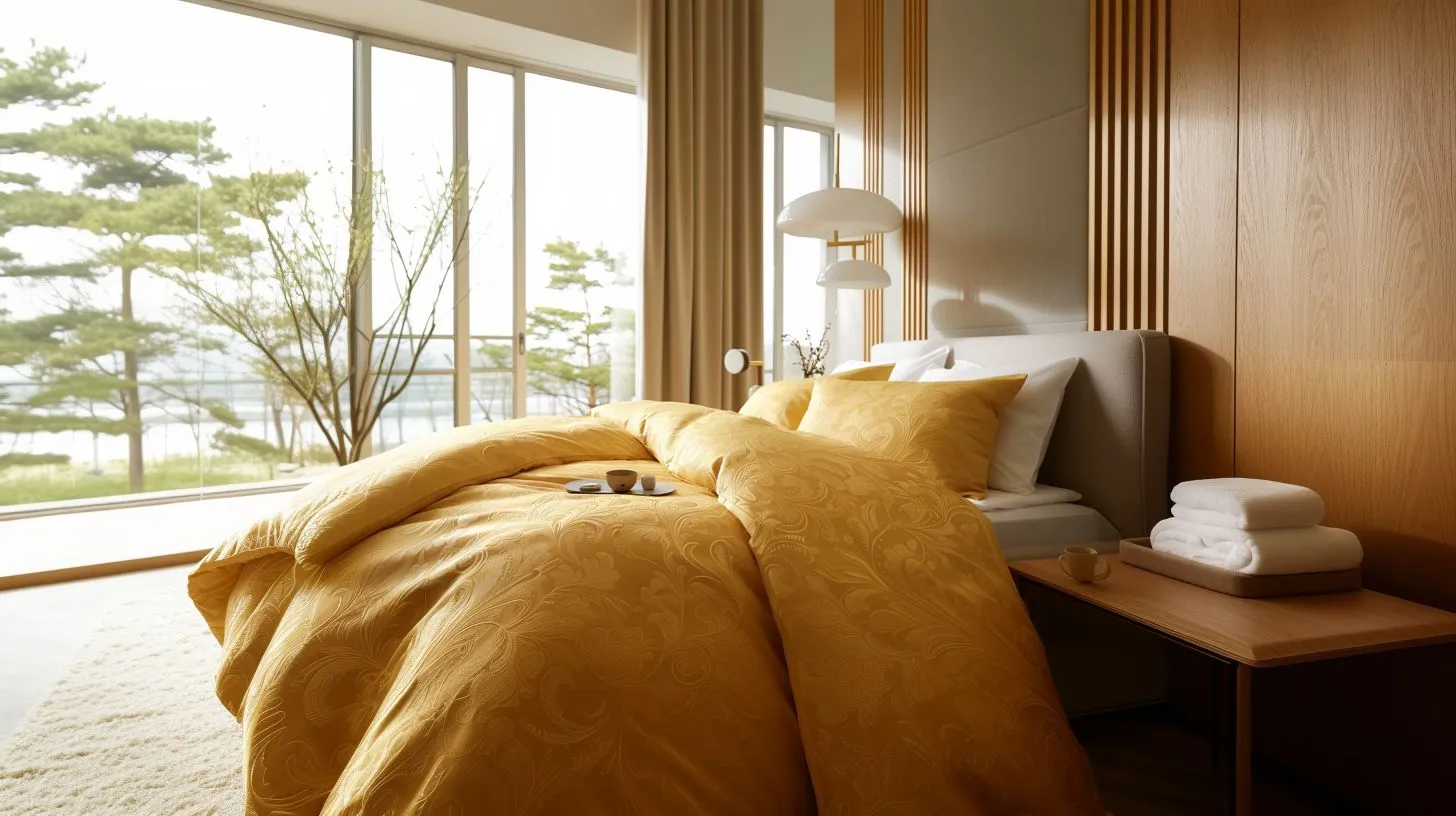
Achieving rich surface texture in retail bedding collections traditionally required complex jacquard or dobby weaving looms. While woven patterns create classic depth, they significantly slow down mill output, consume heavier yarn counts, and drive up unit manufacturing costs. Modern textile engineering solves this production bottleneck through precision thermal embossing, imparting permanent three-dimensional reliefs onto smooth microfiber substrates at a fraction of traditional weaving costs.
Securing consistent pattern definition across bulk production runs requires partnering with an established Embossed Polyester fabric supplier capable of controlling roller temperature, nip pressure, and fabric feed tension. By feeding high-density brushed polyester through precision-engraved heated steel calender rollers, mills reshape the thermoplastic polymer chains to lock in intricate geometric, damask, or botanical textures across 85 to 130 GSM fabrics.
Mechanics of Thermal and Ultrasonic Calendering
Unlike natural cellulose fibers such as cotton—which lose pressed textures as soon as they encounter water—polyester possesses thermoplastic memory. When microdenier polyester filaments pass beneath engraved rollers heated to 190°C, the fibers semi-anneal along the contact ridges. Once cooled, the raised and recessed contours become structurally permanent, maintaining crisp visual definition through dozens of commercial wash and tumble-dry cycles without flattening or fraying.
Balancing Tactile Softness with Dimensional Stability
A common challenge in thermal texturing is preventing fabric stiffness caused by excessive heat exposure. Advanced finishing mills pair ultrasonic and thermal calendering with pre-brushed disperse-dyed microfibers. Pre-sanding the fabric surface creates a velvety peach-skin hand feel before the embossing phase begins, ensuring comforter shells, quilt covers, and decorative pillow shams remain supple and breathable against the skin.
Streamlining custom pattern development and bulk roll-goods procurement through joyilife.com connects home textile brands directly with high-capacity weaving, dyeing, and embossing lines. Direct mill coordination allows buyers to specify exact Pantone shade matching, customize roller engravings for exclusive retail collections, and verify Martindale abrasion and colorfastness standards prior to container loading.
Cost Efficiency Against Traditional Woven Jacquards
Switching from yarn-dyed jacquards to piece-dyed embossed microfibers shortens factory lead times while eliminating high minimum order quantities per colorway. Because the base greige fabric is woven on high-speed air-jet looms and textured during the final finishing stage, bedding manufacturers can react swiftly to seasonal interior design trends while protecting retail profit margins.
