

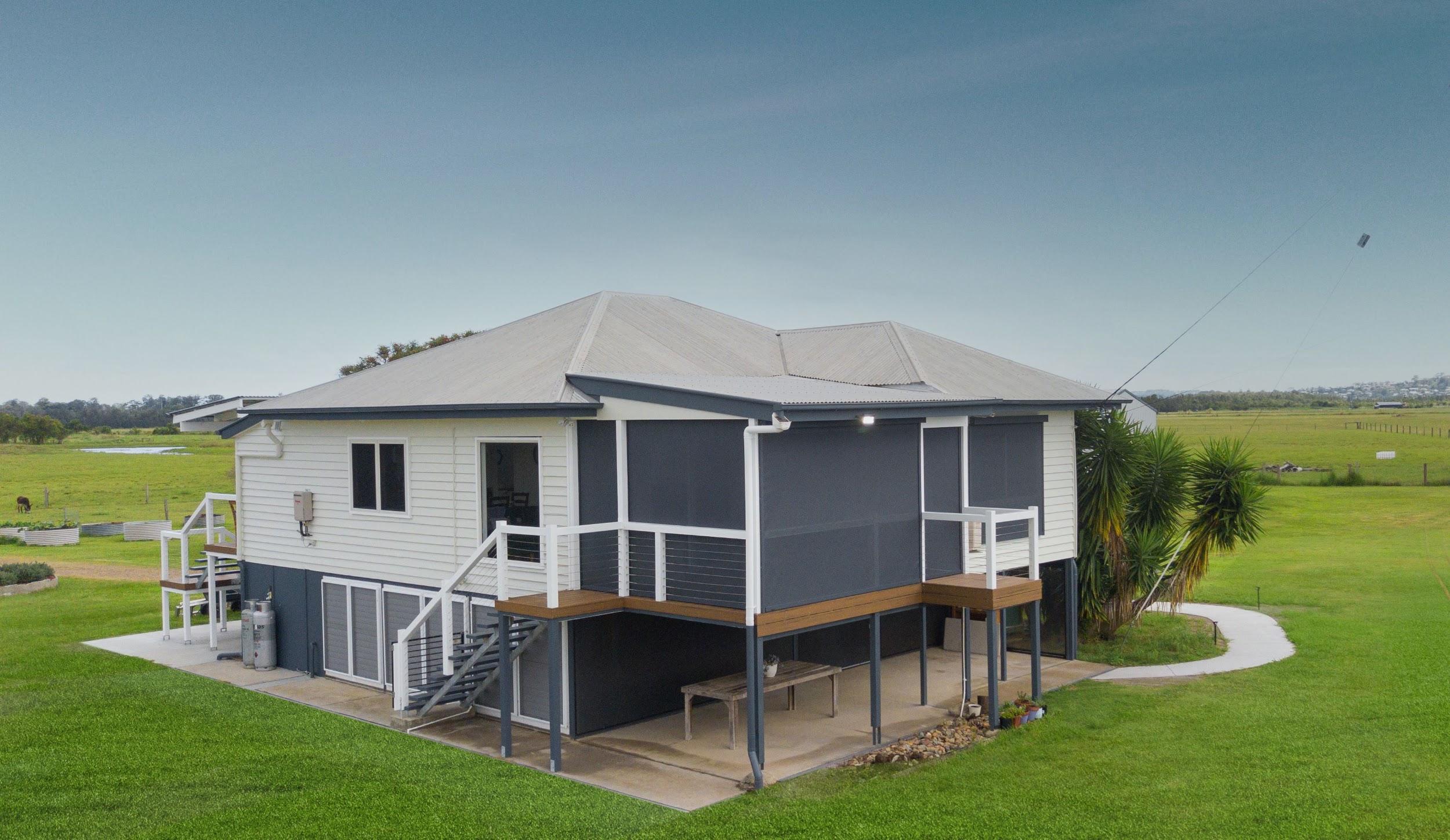
Outdoor areas are often designed to create a smooth connection between the home and the surrounding environment. Patios, balconies, verandas, and alfresco entertaining areas provide opportunities to enjoy fresh air without leaving the comfort of home. However, strong sunlight, glare, wind, and changing weather can make these spaces less comfortable at certain times of the day.
One way to improve outdoor comfort without making an area feel permanently enclosed is to install Zipscreen. This style of outdoor shading provides flexible protection while helping homeowners maintain the open character of their exterior spaces.
Maintaining The Open Feel Of Outdoor Living
Traditional methods of creating shade can sometimes change the appearance or atmosphere of an outdoor area. Permanent walls, solid panels, and other fixed structures may provide protection, but they can also reduce the sense of openness that makes outdoor living appealing.
Zipscreen offers a more adaptable approach. The screen can be lowered when shade or additional protection is needed and raised when homeowners want the space completely open. This flexibility makes it possible to respond to different weather conditions without permanently changing the layout of the area.
For homes where indoor and outdoor spaces are closely connected, this can help preserve the visual flow between living areas, gardens, pools, and surrounding landscapes.
Creating Comfortable Shade During Sunny Days
Direct sunlight can quickly make patios and balconies uncomfortable, particularly when the sun reaches seating or dining areas. Excessive glare can also make it difficult to relax, read, work, or use digital screens outdoors.
A Zipscreen system can help manage sunlight by providing a barrier between the outdoor area and direct exposure. Rather than relying entirely on fixed roofing or permanent structures, homeowners can adjust their outdoor environment according to the conditions.
This is especially useful for areas that receive direct sunshine only during specific times of the day. The screen can remain open when conditions are pleasant and be lowered when additional shade becomes desirable.
Supporting Privacy Without Building Permanent Barriers
Privacy can become another consideration for outdoor living areas, especially in neighbourhoods where properties are positioned close together. Balconies, patios, and entertaining spaces may be visible from neighbouring homes or nearby streets.
Outdoor screens can create a greater sense of separation while allowing homeowners to avoid constructing solid walls around the space. Depending on the selected fabric and configuration, a screen can provide additional privacy while maintaining the overall appearance of an outdoor living area.
The ability to retract the screen also means privacy does not have to come at the cost of permanently restricting the space.
Making Alfresco Areas More Versatile
An outdoor area becomes more valuable when it can accommodate different activities and conditions. A shaded patio might serve as a relaxed breakfast area in the morning, a comfortable place to work during the afternoon, and an entertaining space later in the day.
Flexible screening supports this versatility. Homeowners can adjust the space based on sunlight, privacy requirements, or changing weather rather than being limited by a fixed setup.
This adaptability is especially beneficial for families who frequently utilise their outdoor spaces for dining, socialising, relaxing, or spending time with their children. Instead of treating the patio or veranda as a space that is only comfortable under ideal conditions, adjustable shade can make it more practical throughout different seasons.
Complementing Contemporary Home Design
Outdoor improvements are increasingly expected to contribute to the overall appearance of a property. Bulky additions can sometimes interrupt architectural lines or make an outdoor area appear visually crowded.
Zipscreen systems are designed around a streamlined screening concept, allowing them to integrate into many contemporary outdoor settings. Selecting suitable fabric, finishes, and installation options can help the screen complement existing windows, doors, exterior colours, and architectural features.
A carefully planned installation can therefore serve both practical and aesthetic purposes without overwhelming the surrounding design.
Choosing The Right Setup For The Space
Every outdoor area has different requirements. The orientation of the property, amount of sunlight, prevailing weather, dimensions of the opening, desired privacy, and intended use of the space can all influence the most suitable screening solution.
Homeowners should consider where sunlight enters the area and when protection is most frequently required. The way the outdoor space is used should also influence decisions about screen positioning, fabric selection, and operation.
Professional measurement and installation are equally important because an outdoor screen needs to fit the intended opening correctly and operate smoothly.
A More Flexible Approach To Outdoor Comfort
Creating a comfortable outdoor space does not necessarily mean separating it from the outdoors. The goal can instead be to introduce protection only when it is required.
Zipscreen gives homeowners the flexibility to manage shade and privacy while retaining the open qualities of patios, balconies, verandas, and alfresco areas. With thoughtful planning, adjustable outdoor screening can help transform exposed spaces into more comfortable extensions of the home while preserving the connection to fresh air and the surrounding environment.
