

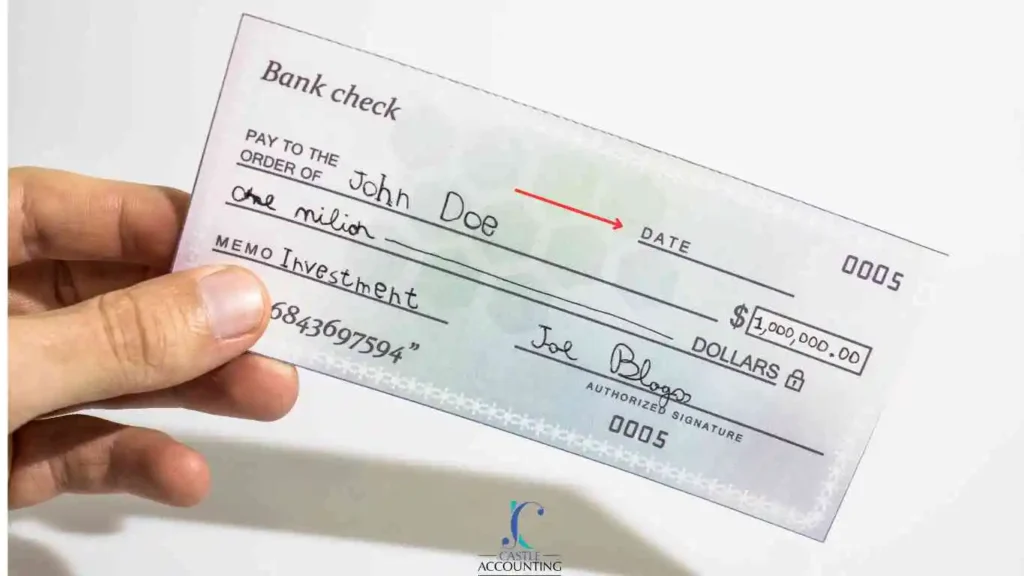
For businesses involved in frequent transactions, ordering bank cheques is a necessary process that demands attention to detail and compliance with banking regulations. Understanding the intricacies of ordering cheques can enhance your business’s financial operations, providing a reliable method for managing payments. This article will guide you through selecting the right bank, the steps to order cheques, the required information, and best practices for using cheques in business transactions.
How to Choose the Right Bank for Business Cheques
Selecting the appropriate bank for your business cheques is crucial. Consider banks that adhere to Basel III Compliance, which ensures that they maintain adequate capital and robust risk management processes. These banks are better equipped to handle large volumes of transactions safely. Additionally, evaluate the bank’s Net Interest Margin (NIM), as it reflects the bank’s profitability and efficiency in managing interest income versus expenses. A reliable bank should offer competitive NIM figures. Moreover, assess whether the bank supports advanced Payment Processing Networks, as these networks facilitate faster and more secure cheque transactions, reducing the risk of delays. Finally, consider the bank’s reputation for fiduciary responsibility, which indicates their commitment to managing your business funds with integrity and care. To streamline your operations, you might want to Order Bank Cheques directly through your bank’s website.
Finally, place your order through the bank’s designated channel. Consider requesting a sample before finalizing the entire order, especially if you are customizing your cheques with your business logo or other specifications. This precaution helps avoid errors and ensures satisfaction with the final product.
Steps to Request and Order Business Cheques
Once you’ve chosen a bank, follow these steps to order business cheques. Start by visiting the bank’s official website or contacting their customer service for guidance on their specific ordering process. Many banks offer online platforms that streamline the request procedure, allowing you to Order Bank Cheques efficiently through their websites.
Ensure you have your business account details ready, including SWIFT Codes and other relevant identifiers that facilitate the processing of your order. Your bank may also require verification of your business’s KYC (Know Your Customer) details to comply with regulatory standards. This step ensures that your business transactions are secure and aligned with compliance requirements.
Finally, place your order through the bank’s designated channel. Consider requesting a sample before finalizing the entire order, especially if you are customizing your cheques with your business logo or other specifications. This precaution helps avoid errors and ensures satisfaction with the final product.
Essential Information Needed for Ordering Cheques
When ordering business cheques, certain key pieces of information are necessary. Firstly, ensure you have your business’s bank account number and branch details. Accurate information is vital for the proper processing and reconciliation procedures of your cheques.
Additionally, you may need to provide details related to your business’s Loan-to-Value Ratio (LTV) if the cheques are tied to loan repayments. This ratio helps banks assess your business’s borrowing risk and financial health. Be prepared to specify the number of cheques needed, the cheque format, and any particular security features you require.
Lastly, consider the Capital Adequacy Ratio (CAR) of your bank, which measures their financial strength and stability. A bank with a high CAR is more likely to provide reliable services and support your business’s cheque-related transactions securely.
Best Practices for Managing and Using Business Cheques
Effective management and use of business cheques involve adopting best practices to ensure security and efficiency. Regular reconciliation procedures should be conducted to match cheques issued with bank statements, preventing discrepancies and potential fraud.
Furthermore, establish a protocol for cheque authorization within your company. This system ensures that only designated personnel can authorize cheque payments, reducing the risk of unauthorized transactions. Also, consider stress testing your cheque management processes periodically. This involves simulating potential financial strains and assessing how your current systems would handle them, allowing you to strengthen any weak points.
Finally, stay informed about any changes in banking regulations, such as updates to the securitization process or new derivative instruments that might impact your cheque transactions. Keeping abreast of these developments ensures your business remains compliant and can make informed financial decisions.
Conclusion
Ordering bank cheques for business transactions requires careful consideration of bank selection, detailed requests, and adherence to best practices. By choosing a bank with strong fiduciary responsibility and utilizing the right information, your business can streamline its cheque transactions efficiently. Ensuring compliance and security in your cheque management processes enhances your business’s financial integrity and operational success.
