

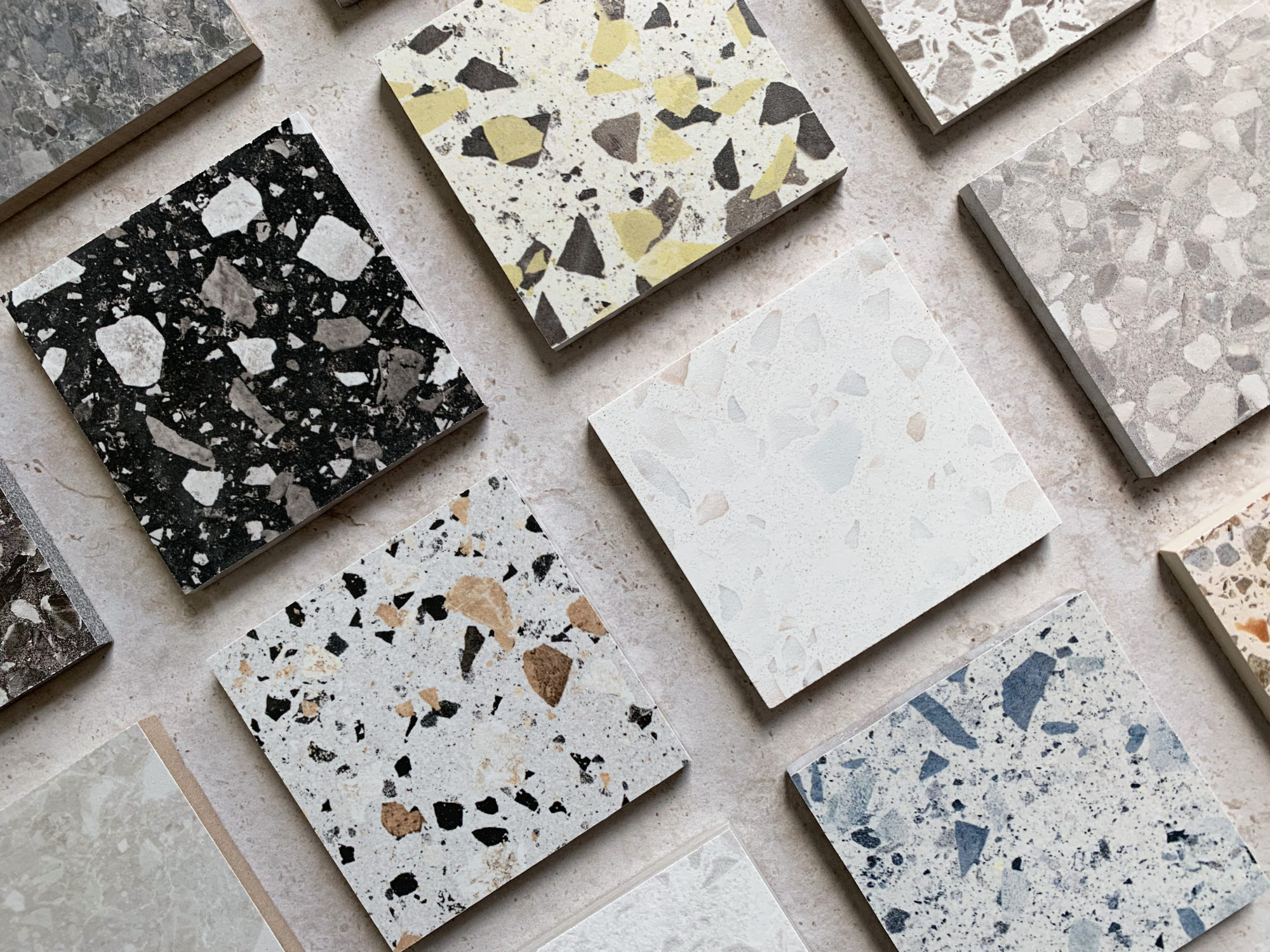
Choosing the right flooring material is a pivotal decision in any interior design or home improvement project. The durability of the tiles you select can significantly affect the longevity and maintenance needs of your spaces. This article will explore how Terrazzo Tiles and ceramic tiles stack up against each other in terms of durability, considering factors like material composition and maintenance requirements. By the end of this comparison, you’ll be better equipped to decide which tile option best suits your project’s demands.
Terrazzo Tiles: A Durable Flooring Choice
Terrazzo Tiles have been a staple in high-traffic areas due to their remarkable durability. Originating from the Venetian mosaic tradition, these tiles consist of a composite material poured in place or precast, using chips of marble, quartz, granite, or glass. The process of creating Terrazzo Tiles involves embedding these chips in a cement or epoxy binder, which is then polished to reveal a smooth surface. This composition not only enhances their aesthetic appeal but also contributes to their long-lasting nature. In fact, properly maintained Terrazzo Tiles can last for decades, making them a wise investment for both residential and commercial spaces.
One of the key advantages of Terrazzo Tiles is their ability to endure heavy foot traffic without significant wear and tear. Their robustness is further enhanced by the sealing process, which protects against stains and moisture. According to Terrazzo Tiles, these tiles offer a unique combination of strength and versatility, which is why they are often used in areas requiring high durability, such as airports and hospitals.
Ceramic Tiles: Assessing Durability and Longevity
Ceramic tiles are another popular choice in the interior design world, favored for their affordability and wide range of designs. Made from natural clay, these tiles are fired at high temperatures to achieve hardness and durability. While ceramic tiles are suitable for many residential applications, they may not offer the same level of durability as Terrazzo Tiles in high-traffic environments. However, advancements in manufacturing technology, such as the use of CAD (Computer-Aided Design) for precision and quality control, have improved their performance over time.
A significant consideration with ceramic tiles is their susceptibility to chipping and cracking under heavy impact. Therefore, they are often recommended for areas with moderate foot traffic. The glaze applied to ceramic tiles enhances their resistance to stains and moisture, but over time, grout lines can become discolored, requiring regular maintenance.
Moreover, ceramic tiles can be affected by thermal comfort changes due to their natural composition. They may expand or contract with temperature fluctuations, potentially leading to cracking if not installed correctly with proper allowances for expansion.
Comparative Analysis: Terrazzo vs. Ceramic Tiles
When comparing Terrazzo and ceramic tiles, the difference in durability largely stems from their composition and manufacturing processes. Terrazzo Tiles, with their composite nature and robust sealing, offer superior resistance to wear, making them ideal for high-traffic areas. In contrast, ceramic tiles, while versatile in design, may not withstand the same level of stress and require more frequent maintenance.
The choice between Terrazzo and ceramic tiles should also consider the role of sustainable materials in your project. Terrazzo Tiles often incorporate recycled aggregates, which can contribute to eco-friendly building practices. This aligns with the increasing emphasis on sustainability in interior design.
Additionally, the aesthetic appeal of both tiles can be enhanced through the use of a mood board during the design development phase. This tool helps visualize the integration of tile options with other elements like FF&E (Furniture, Fixtures, and Equipment), ensuring a cohesive and durable design strategy.
Factors Influencing Tile Durability and Maintenance
Several factors influence the durability and maintenance of Terrazzo and ceramic tiles. Proper installation, adherence to zoning regulations, and regular upkeep are crucial for maximizing the lifespan of any tile. Terrazzo Tiles, for instance, benefit from periodic polishing to maintain their shine, while ceramic tiles require grout sealing to prevent moisture penetration.
Moreover, understanding color theory application can play a role in selecting tiles that not only last but also complement the overall design theme of a space. The choice of lighter or darker tiles can impact the perception of space and cleanliness, affecting long-term maintenance needs.
Lastly, while both tile options offer unique advantages, considering the specific requirements of your space, such as acoustical treatment needs or egress compliance, can guide you to the most suitable choice. For example, Terrazzo’s seamless surface may provide better acoustical qualities compared to the grout lines in ceramic tiles.
Conclusion
Choosing between Terrazzo and ceramic tiles depends significantly on your project’s specific needs, including durability, maintenance, and aesthetic preferences. Terrazzo Tiles offer unmatched durability and sustainability, making them an excellent choice for high-traffic areas. Meanwhile, ceramic tiles provide versatility and cost-effectiveness for residential spaces. Evaluating these factors will help you make an informed decision to create a lasting and visually appealing environment.
